

A bathroom renovation is arguably one of the most exciting yet demanding projects you can undertake in a British home. We spend so much time pouring over glossy magazines and scrolling through perfectly curated social media feeds, where the absolute star of the show is almost always a gorgeous freestanding bath. It sits there, taking centre stage, promising long, luxurious evening soaks and a daily routine that feels less like a rushed chore and more like a visit to a boutique country house hotel.
But how does this romantic vision translate to the reality of our typical UK housing stock? What happens when you try to squeeze a magnificent roll-top into a Victorian terrace in Bristol, or a standard 1930s semi-detached house? As a stylist, I am obsessed with the visual impact these baths create, but I also know they require careful thought before you part with your hard-earned budget. Today, I want to talk honestly about the realities of living with a freestanding bath, weighing up the gorgeous aesthetics against the practical daily grind of fitting, cleaning, and using one in a real home.
The Freestanding Bath: A Statement of Style or a Space Hoarder?
Let us start with the undeniable positives. A freestanding bath is the ultimate sculptural focal point for any bathroom. Unlike standard built-in tubs that visually blend into the background, a standalone bath commands attention and dictates the entire mood of the room. Whether you prefer a classic clawfoot design that nods to period drama or a sleek, contemporary egg shape, it instantly makes a space feel considered and luxurious. It is a brilliant way to break up the hard, straight lines of typical bathroom cabinetry and sanitaryware, introducing softer, organic curves that feel wonderfully restful to the eye.
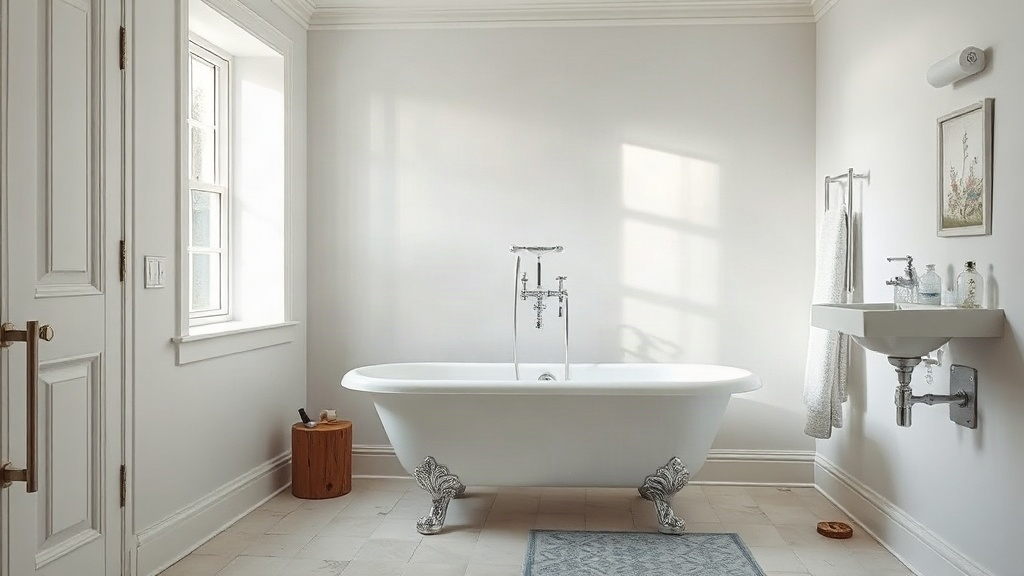
However, the most significant drawback is the sheer amount of space they demand. To truly look their best, freestanding baths need breathing room. If you push one hard up against a wall or squeeze it into a tight corner, it loses that visual impact and suddenly looks like a cramped afterthought. In typical UK homes, where bathrooms are notoriously compact, sacrificing that floor space is a major commitment. You need at least fifteen to twenty centimetres of clearance all the way around, not just for the aesthetic balance, but for practical reasons that we will touch on shortly.
This brings us to the crucial question of layout planning. If you are renovating a master en-suite or converting a spare bedroom into a large family washroom, the footprint is likely generous enough to accommodate one beautifully. But if you are working with a standard two-by-two metre family bathroom, a fitted bath might genuinely be the better choice. It is always better to have a beautifully executed, high-quality fitted bath with gorgeous tiling than a freestanding one that makes the room feel claustrophobic and difficult to navigate during the morning rush.
Beyond the Bathtub: Material Choices, Durability & The UK Climate
When choosing your bath, the material is just as important as the silhouette, particularly when factoring in our chilly British winters. Cast iron is the traditional choice and offers unmatched authenticity alongside a beautiful, tactile finish. It retains heat exceptionally well once warmed up, meaning your Sunday evening soak can last much longer without needing a top-up from the hot tap. However, cast iron is incredibly heavy. You must consult a builder to ensure your floor joists can take the weight of the bath, plus the water, plus you, which often necessitates costly structural reinforcement in older properties.
| Bath Material | Weight & Heat Retention | Ideal Paint / Finish Pairing | UK Retailer Example |
|---|---|---|---|
| Cast Iron | Very Heavy / Excellent | Farrow & Ball ‘Setting Plaster’ (Estate Eggshell on exterior) | Cast Iron Bath Company |
| Solid Surface (Resin) | Heavy / Very Good | Little Greene ‘French Grey’ (colour drenching the walls) | Lusso Stone |
| High-Gloss Acrylic | Lightweight / Moderate | Dulux Heritage ‘DH Oxford Blue’ (half-wall panelling contrast) | Victoria Plum / Dunelm |
Modern acrylic has come a long way and is now the most popular choice for high-street buyers. It is lightweight, affordable, and warm to the touch right away, which is a blessing on a frosty January morning. High-quality acrylic options from places like John Lewis or Victoria Plum can look surprisingly premium, though they can be prone to minor surface scratching over time if you use abrasive cleaners. They also cool down faster than heavier materials, so you might find yourself reaching for the hot tap a little sooner than you would with a solid stone or iron tub.
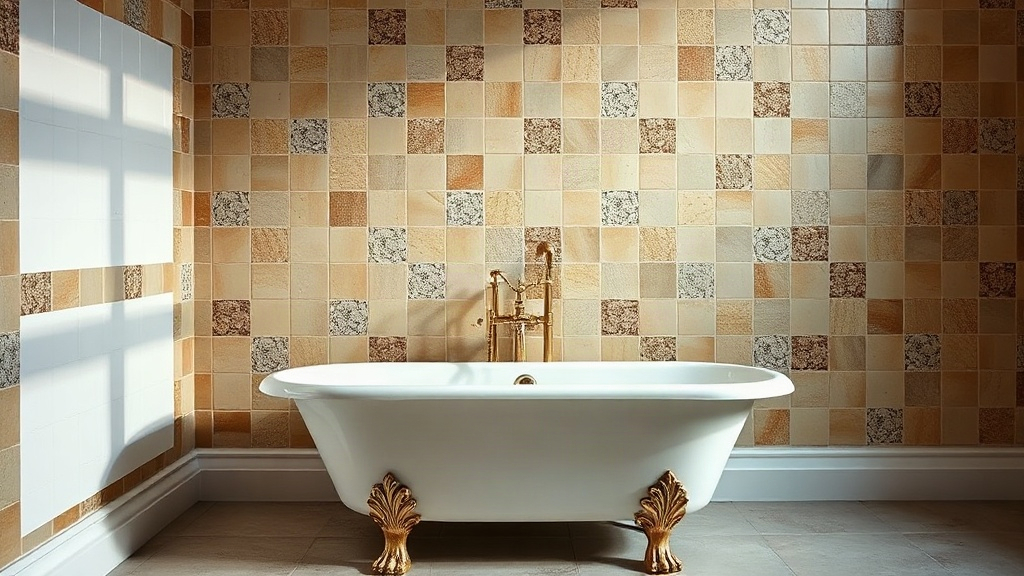
Solid surface or stone resin baths sit perfectly in the middle ground, offering the luxurious, matte texture of natural stone without the extreme weight of cast iron. They are incredibly durable, repairable if chipped, and hold heat brilliantly. While they are an investment piece, often sitting at a higher price point, the finish is spectacular and brings a lovely organic warmth to the room. When pairing these materials with your decor, consider the finish carefully; a matte resin bath looks incredible against glossy zellige tiles, providing that crucial contrast in textures that makes a room feel professionally designed.
The Practicalities Unpacked: Plumbing, Cleaning & Everyday Living with a Freestanding Bath
The romance of a freestanding bath often distracts from the less glamorous reality of installing and maintaining one. Plumbing is a primary hurdle. Because the bath sits away from the wall, your pipework must come up through the floor. This means lifting floorboards, rerouting pipes, and ensuring you have adequate water pressure to run those beautiful floor-standing taps. If you are on a concrete subfloor, this becomes a major logistical challenge and a significant expense, as channels must be chased into the concrete to hide the plumbing runs before the final flooring goes down.
💡 Verity’s Styling Secret: To stop a freestanding bath from looking like it is floating aimlessly in the room, anchor it visually. I always place a textured, washable runner or a large, circular jute bath mat just in front of it. It grounds the piece, softens the hard flooring, and gives you something warm and inviting to step onto.
Then there is the matter of cleaning, which is where many homeowners experience buyer’s remorse. That fifteen-centimetre gap I mentioned earlier is not just for visual breathing room; it is so you can physically fit a mop or a vacuum nozzle behind the tub. Dust, stray hairs, and condensation have a habit of gathering in the shadows behind a freestanding bath. If you position it too close to the wall, cleaning becomes a frustrating, back-breaking chore that requires you to contort yourself into impossible angles every weekend.
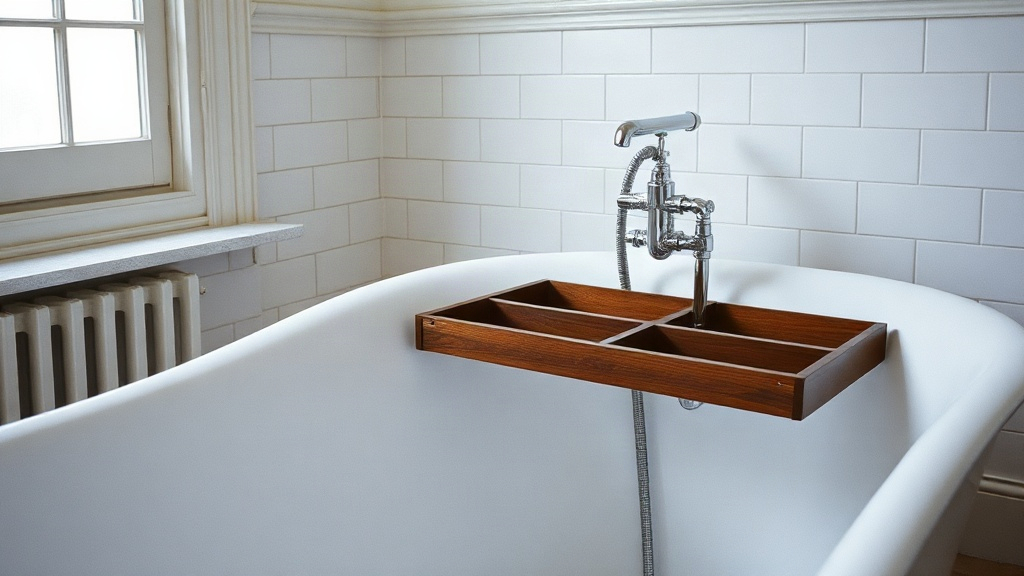
Everyday practicality also extends to storage. Built-in baths naturally offer ledges for your shampoo, soap, and a glass of wine. Freestanding baths give you nothing but a rolled edge. You will need to think creatively about where things live. A beautiful wooden bath caddy bridging the tub is essential for those long soaks, while a small, stylish side table or a ceramic garden stool placed next to the bath serves as a perfect resting spot for everyday toiletries and fresh towels, ensuring the space remains both highly functional and visually appealing.
Crafting Your Sanctuary: Styling, Comfort & The True Luxury of a Freestanding Soak
Despite the practical hurdles, there is a reason the freestanding bath remains the holy grail of bathroom design. When styled correctly, it transforms a purely functional washroom into a genuine sanctuary. The key is in the layering. A standalone tub needs complementary elements to soften the space. Think about the lighting first; avoid harsh overhead spotlights directly above the bath. Instead, opt for dimmable wall sconces placed on either side, or even a low-hanging, IP-rated pendant light to create a soft, diffused glow that makes the room feel incredibly restful.
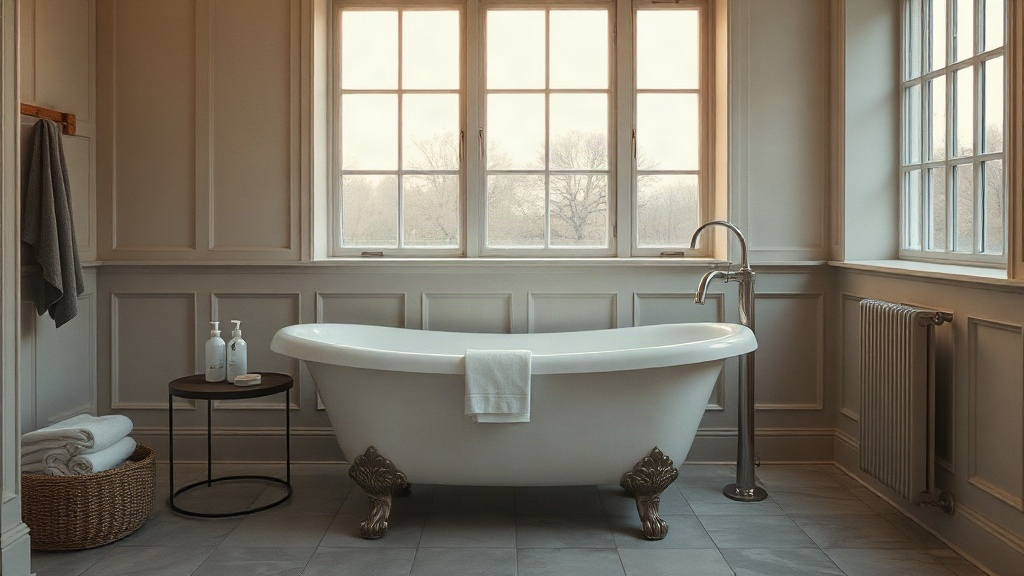
Window treatments also play a massive role in setting the mood. In a UK bathroom, privacy is paramount, but you do not want to sacrifice natural light. Frosted glass is practical, but adding a beautiful linen Roman blind or moisture-resistant plantation shutters adds a layer of textile softness that balances the hard ceramic and metal finishes. Pair this with a tall, humidity-loving houseplant like a Boston fern or a Kentia palm tucked into a corner, and you instantly introduce organic life and a sense of calm to the environment.
Ultimately, the comfort of a freestanding bath is highly subjective and depends entirely on the shape you choose. Slipper baths, with their raised backs, offer incredible support for reading, while double-ended baths are perfect for central tap placement and sharing. Before you commit to a purchase, I highly recommend visiting a showroom and actually climbing into a few models. It might feel a bit silly in the middle of a John Lewis or a local bathroom centre, but it is the only way to ensure the angle of the backrest and the depth of the tub provide the true luxury you are paying for.
Deciding on a freestanding bath is a balancing act between the heart and the head. They require more space, a bit more budget for the plumbing, and a dedicated cleaning routine to keep them looking their best. Yet, if your floorplan allows it, nothing quite matches the daily joy of stepping into a beautifully curated bathroom that feels entirely your own. Take your time with the measurements, respect the plumbing constraints, and choose a material that suits your lifestyle.
Happy soaking,
Verity