

Hello, I am Verity Innes Smith, interior stylist for averisliving.uk. The cottagecore aesthetic started as a fleeting internet fascination, but it has firmly rooted itself in British interior design. At its core, this style celebrates a slower pace of life, drawing inspiration from rural countryside living, traditional crafts, and an appreciation for the natural world. It is entirely possible to bring this rustic, pastoral charm into a standard semi-detached house or urban flat without requiring a massive budget or a thatched roof.
Creating a cottage-inspired living room on a strict budget relies heavily on resourcefulness rather than outright spending. It is about rethinking the items you already own, sourcing clever second-hand pieces, and making strategic choices on the high street. A successful scheme feels collected over time rather than bought from a single catalogue page, which naturally lends itself to a budget-conscious approach.
In this guide, I will walk you through practical, actionable steps to achieve a cottagecore living room. From selecting the right base colours and sourcing affordable floral textiles to mastering the art of the charity shop hunt, we will explore how to build a space that feels warm, characterful, and distinctly yours, all while keeping a firm eye on the bank balance.
Defining Your Cottagecore Canvas
Before introducing floral prints or vintage finds, establishing a solid foundation is crucial. A well-considered base prevents the room from feeling cluttered and gives your eventual styling room to breathe.
The Allure of Simplicity
There is a common misconception that cottagecore requires every surface to be covered in trinkets and heavy fabrics. In reality, the most successful cottage-inspired rooms begin with a surprisingly simple canvas. Stripping back heavy, modern window dressings and removing unnecessary contemporary furniture allows the room’s natural proportions to take centre stage. It is about creating a calm backdrop that will eventually highlight your curated, budget-friendly additions.
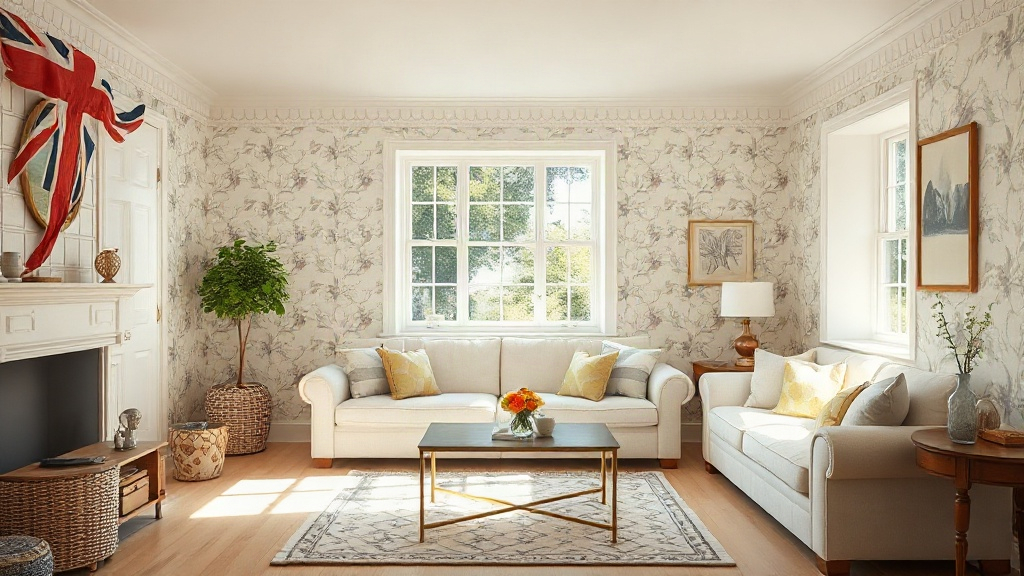
Start by assessing your walls and flooring. If you are working with a tight budget, a fresh coat of warm, neutral paint is often the most cost-effective way to reset the space. Avoid brilliant white, which can feel stark and clinical. Instead, opt for softer, chalky tones like off-white, oatmeal, or a very pale plaster pink. These shades reflect natural light beautifully, making small UK living rooms feel airy while maintaining a sense of warmth.
Simplicity also extends to your window treatments. If you currently have heavy, dated curtains, consider swapping them for inexpensive linen-look voiles or simple Roman blinds. This allows maximum daylight to flood the room, which is essential for capturing that breezy, countryside aesthetic. You can find excellent, affordable options at retailers like Dunelm or Argos, which offer standard sizes that mimic a bespoke finish.
Curating Your Colour Story
A cohesive colour palette is the secret to making budget decor look intentional and expensive. For a cottagecore scheme, look directly to the British landscape for inspiration. Soft sage greens, muted mustard yellows, dusty pinks, and warm terracotta provide a grounded, earthy feel. Sticking to a controlled palette of three or four key colours ensures that even when you mix mismatched second-hand furniture, the room still feels unified.
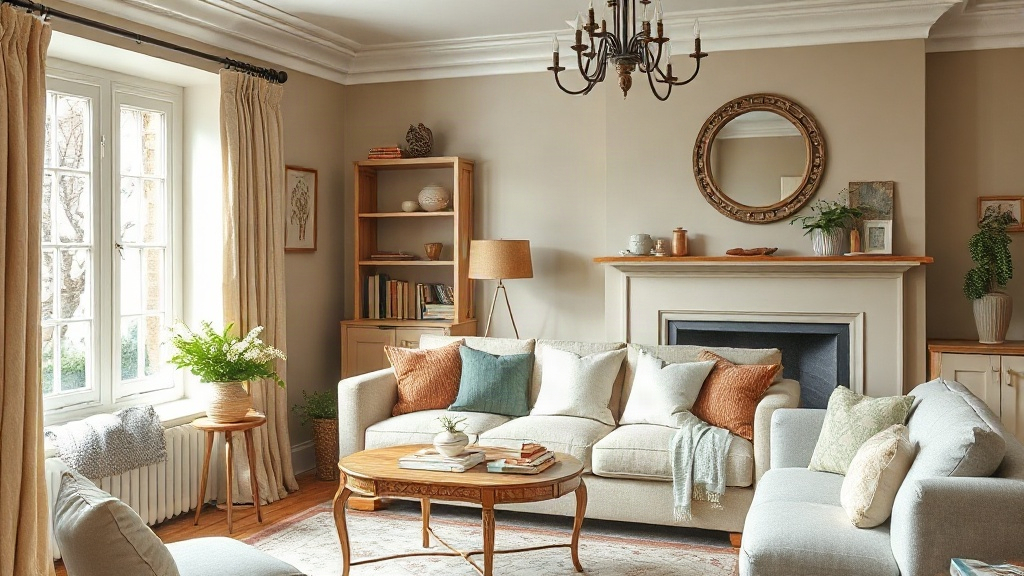
When buying paint on a budget, you do not necessarily need to stretch to premium designer brands. Many UK hardware stores, such as B&Q or Homebase, offer excellent colour-matching services. You can take a swatch of a high-end heritage shade and have it mixed into a durable, affordable retail paint. Dulux Heritage also offers a fantastic range of traditional, chalky colours that are widely available and reasonably priced.
To build your colour story without committing to painting the entire room, focus on textiles and artwork. A large, affordable rug from IKEA in a muted green or a set of inexpensive cushion covers from H&M Home in a dusty floral print can introduce your chosen palette effectively. This approach allows you to experiment with cottagecore hues without a significant financial outlay or permanent commitment.
Embracing Nature’s Palette
Bringing elements of the outside in is fundamental to this pastoral aesthetic. Incorporating natural hues and organic patterns creates a relaxed, lived-in atmosphere.
Earthy Hues & Botanical Bliss
Introducing houseplants is arguably the most cost-effective way to breathe life into a living room. Greenery softens hard edges and instantly adds a layer of organic texture. You do not need to spend a fortune at boutique garden centres; supermarkets and local markets often sell healthy ferns, trailing ivies, and peace lilies for just a few pounds. Grouping them together on a windowsill or a thrifted side table creates a lush, indoor garden effect.
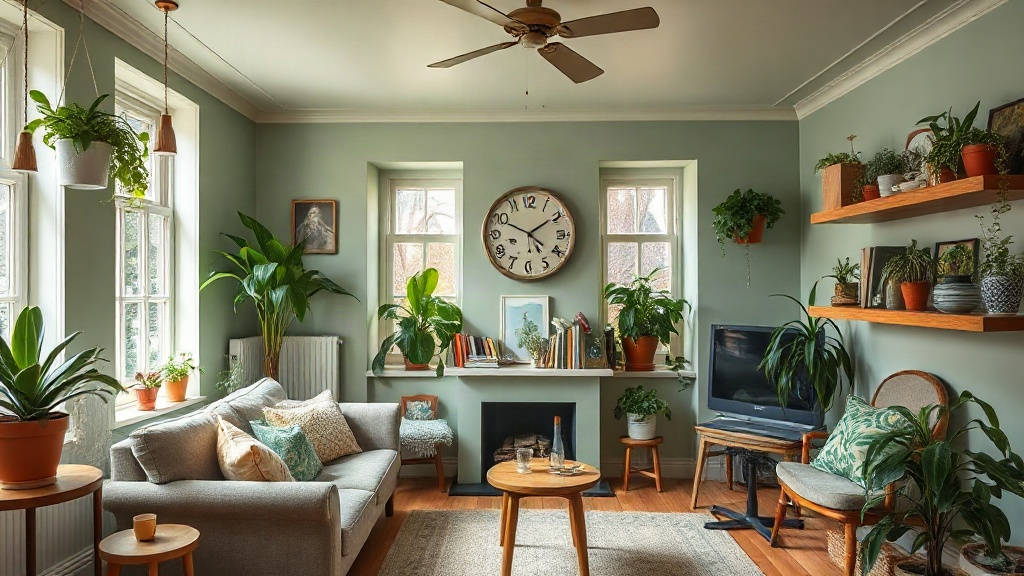
To keep costs down, try propagating plants you already own or swapping cuttings with friends and neighbours. Pothos and spider plants are incredibly easy to grow from small clippings. For planters, avoid expensive ceramic pots and look for terracotta options at your local garden centre, which age beautifully over time. Alternatively, use old tin cans or chipped enamel mugs as quirky, budget-friendly vessels for smaller succulents.
Beyond actual plants, you can reinforce this botanical theme through your wall colour and artwork. A feature wall painted in a soft, earthy green provides a beautiful backdrop for wooden furniture. You can also press leaves or wildflowers from your garden, placing them in inexpensive clip frames from Wilko or The Range. This creates bespoke, nature-inspired art that costs next to nothing but adds genuine character to your walls.
Floral Fancies & Whimsical Prints
Floral patterns are a hallmark of the cottagecore look, bringing a sense of nostalgia and traditional British charm. However, covering an entire room in heavy chintz can be both overwhelming and expensive. A more budget-conscious approach is to use floral prints as accents. Look for ditsy prints, botanical illustrations, or William Morris-inspired designs on smaller items like scatter cushions, lampshades, or a single upholstered footstool.
Fabric remnants are a fantastic resource for adding whimsical prints on a shoestring. Local haberdasheries, market stalls, and online marketplaces often sell offcuts of beautiful, high-quality fabrics for a fraction of the retail price. If you have basic sewing skills, you can easily turn these remnants into cushion covers, simple bunting, or even a casual throw for the back of the sofa, injecting personality into the space.
Wallpaper is another way to introduce florals, but it can quickly eat into a tight budget. Instead of wallpapering a whole room, consider papering just the chimney breast or the back panel of a bookcase. You can often find single rolls of designer wallpaper heavily discounted in clearance bins at DIY stores. This provides a concentrated punch of cottagecore pattern without the expense of a full room makeover.
Thrifty Treasures & Upcycled Charm
The true beauty of a cottage-inspired interior lies in its imperfections. Embracing second-hand furniture and upcycling projects is both financially savvy and aesthetically rewarding.
Scouring Second-hand Gems
Furnishing your living room through charity shops, car boot sales, and Facebook Marketplace is the most effective way to stretch your budget. The cottagecore aesthetic thrives on mismatched, characterful pieces rather than pristine, matching sets. Look for solid wood coffee tables, vintage sideboards, and traditional armchairs. The British Heart Foundation furniture stores are particularly good for finding substantial pieces at very reasonable prices.
When shopping second-hand, try to look past superficial flaws. A scratched surface or an outdated varnish can easily be remedied, provided the piece is structurally sound. Always check for wobbly legs, signs of woodworm, or sagging springs in upholstery. Solid oak, pine, and mahogany pieces are usually worth the investment of your time, as they offer a longevity and weight that cheap flat-pack furniture simply cannot match.
Smaller decorative items are also abundant in second-hand venues. Keep an eye out for vintage brass candlesticks, patterned ceramic jugs, and embroidered table runners. These small, inexpensive additions layer together to create a sense of history in your living room. A collection of mismatched floral teacups displayed on a simple wooden shelf can cost under ten pounds but adds immense charm to the space.
Breathing New Life into Old Finds
Upcycling is a crucial skill for budget decorating. A tin of furniture paint can completely transform a dated, dark wood piece into something that perfectly fits your cottagecore scheme. Chalk paints, such as those by Frenchic or Rust-Oleum, are incredibly user-friendly as they require minimal sanding or priming. A soft sage green, a dusty blue, or a warm cream can instantly modernise an old pine chest or bookcase.
Changing the hardware on second-hand furniture is another inexpensive way to update its look. Swapping out heavy, ornate metal handles for simple wooden knobs, ceramic pulls, or aged brass cup handles makes a surprising difference. You can find affordable, vintage-style hardware online or at stores like Screwfix and B&Q. It is a ten-minute job that gives a bespoke finish to a cheap charity shop find.
Do not be afraid to leave some wood exposed when painting furniture. A popular cottagecore look involves painting the base of a table or dresser while sanding and re-waxing the wooden top. This two-tone effect feels rustic and traditional. Using a clear or dark wax over your painted finish also adds durability and creates a slightly aged, distressed look that suits the aesthetic perfectly.
Cosy Comfort: Layout & Furnishings
A successful living room must be as comfortable as it is beautiful. Thoughtful furniture placement and clever textile choices ensure the space feels welcoming and relaxed.
Arranging for Intimacy & Flow
The layout of your living room dictates how the space is used and felt. Cottagecore interiors should encourage conversation and relaxation, rather than focusing entirely on a television screen. If space allows, try pulling your sofa and armchairs slightly away from the walls. Arranging seating around a central focal point, such as a fireplace or a large coffee table, creates a snug, intimate zone that feels naturally inviting.
In smaller UK living rooms, creating flow can be challenging. Avoid blocking natural pathways with bulky furniture. Using a large, affordable rug is a practical way to anchor your seating area and define the zone without needing physical barriers. Jute or wool-blend rugs from high street retailers are durable, budget-friendly, and add exactly the right kind of rustic texture to the floor space.
Consider the visual weight of your furniture when planning the layout. Balancing a heavy, slip-covered sofa with a lighter, open-framed wooden armchair prevents the room from feeling cramped. Incorporating small, movable pieces like a woven pouffe or a nest of tables offers flexible seating and surface options that can be easily tucked away when not in use, maximising your available floor space.
Selecting Your Foundation Pieces
The sofa is usually the largest investment in any living room. If buying new is out of the question, consider updating your current sofa with a slipcover. Companies like Bemz offer custom covers for IKEA models, or you can purchase universal linen-blend covers online for a fraction of the cost of a new suite. A loose, relaxed slipcover in a neutral tone instantly gives a stiff, modern sofa a softer, cottage-appropriate silhouette.
Armchairs are brilliant for introducing pattern and colour. Rather than buying a matching suite, look for a contrasting occasional chair. A second-hand wingback or a small cocktail chair can be reupholstered if you have the budget, or simply draped with a beautiful, oversized throw and a patterned cushion if you do not. Mixing different styles of seating adds to the collected, informal atmosphere that defines this look.
For storage, avoid sleek, modern media units. Instead, repurpose traditional pieces. An old wooden blanket box makes an excellent, characterful coffee table with hidden storage for blankets and board games. A vintage bookshelf or a painted Welsh dresser can house your television alongside books, plants, and ceramics, blending modern technology into the rustic setting seamlessly and affordably.
The Devil’s in the Details: Textures & Lighting
The final layers of a room are what transform it from a basic setup into a comfortable, lived-in home. Texture and lighting play a pivotal role in this transformation.
Layering for Tactile Warmth
A cottagecore living room relies heavily on varied textures to create warmth and interest. When you are working with a budget, textiles are your best friend. Layering different fabrics, such as chunky knit wool, crisp linen, soft cotton, and rough jute, adds depth to the room. You can find highly affordable textured throws and cushion covers at supermarkets like George at Asda or Sainsbury’s Home, which frequently stock excellent homeware ranges.
Drape a heavy woollen blanket over the arm of your sofa and mix cushion sizes and fabrics to avoid a rigid, formal look. Incorporating natural materials like wicker and rattan also boosts the tactile quality of the space. A pair of cheap seagrass baskets from IKEA can be used to store firewood, magazines, or extra cushions, adding both practical storage and a rustic, textural element to an empty corner.
Window dressings also contribute to the room’s texture. If you have opted for simple roller blinds for privacy, consider adding a pair of lightweight, unlined linen curtains purely for softness. These do not need to be expensive or even highly functional; they simply frame the window and add a layer of draped fabric that softens the hard edges of the window frame and the surrounding walls.
Illuminating with Soft Glows
Lighting is arguably the most critical element in creating a cosy atmosphere. The harsh glare of a single ceiling pendant, often referred to as the “big light”, can instantly ruin a carefully curated scheme. Instead, focus on creating multiple pockets of warm, low-level light. Table lamps, floor lamps, and wall sconces are essential for building a relaxed, inviting environment as the evening draws in.
Sourcing affordable lighting is relatively easy. Charity shops often have a wealth of ceramic or turned-wood lamp bases. You can update these cheaply by purchasing a new pleated or floral fabric shade from a high street retailer like Dunelm or John Lewis. Always ensure you use warm white LED bulbs, which mimic the soft, golden glow of traditional incandescent lighting, rather than stark, cool white bulbs.
Candles are a quintessential cottagecore accessory that provides the ultimate soft glow on a budget. Grouping pillar candles of varying heights on a protective tray, or placing tapered candles in thrifted brass holders on the mantelpiece, creates a beautiful focal point. Even when unlit during the day, they add a traditional, romantic detail to your living room styling that costs very little to maintain.
Your UK High Street & Beyond: Smart Shopping
Knowing where to allocate your funds is the final piece of the puzzle. Mixing high street bargains with unique, local finds creates a balanced and authentic interior.
High Street Heroes & Online Hauls
The UK high street is remarkably adept at catering to interior trends affordably. Retailers like Dunelm, M&S Home, and Next are fantastic for sourcing foundational cottagecore items like floral bedding, which can be easily repurposed as sofa throws, or patterned curtains. Matalan and B&M also offer surprisingly good seasonal homeware collections, particularly for smaller decorative items like ceramic vases, faux floral stems, and rustic picture frames.
When shopping online, eBay and Vinted are brilliant platforms for finding second-hand homeware. You can often find vintage Laura Ashley fabrics, traditional wool blankets, and antique brassware for a fraction of their original cost. Setting up saved searches for specific items, such as “scalloped lampshade” or “pine side table”, ensures you are notified when a bargain is listed, allowing you to secure the best deals quickly.
It is always wise to compare prices before making a purchase. A woven jute rug, for instance, might vary wildly in price between different high street stores despite looking almost identical. Taking the time to browse online catalogues from Argos, IKEA UK, and La Redoute ensures you are getting the best possible value for your budget on those larger foundation pieces.
Supporting Local & Artisan Finds
While the high street is excellent for basics, adding a few handmade or artisan pieces prevents your living room from looking mass-produced. You do not need to spend hundreds of pounds to support independent makers. Platforms like Etsy UK are filled with local artists selling affordable prints, handmade ceramics, and bespoke cushion covers. Purchasing a small, hand-thrown mug or a beautiful linocut print adds genuine character to your shelves.
Local craft fairs and farmers’ markets are also wonderful places to find unique decor. Look out for local potters, woodworkers, or textile artists. Often, makers sell “seconds” — items with slight, barely noticeable imperfections — at a significantly reduced price. These pieces fit perfectly into the slightly imperfect, relaxed ethos of the cottagecore aesthetic while allowing you to support small British businesses.
Finally, consider the art of making things yourself. Foraging for interesting branches to display in a vase, pressing flowers from your local park, or knitting your own chunky throw are all deeply cottagecore activities that result in beautiful, virtually free decor. Combining these personal, handcrafted touches with your smart high street purchases and upcycled charity shop finds is the true secret to achieving a stunning, budget-friendly living room.