

There is a specific, quiet luxury that comes with laying a beautifully proportioned herringbone floor across the ground level of a British home. For years, the gold standard for this aesthetic has been Neptune. Their engineered oak blocks, with their perfectly desaturated tones and brushed matte finishes, have become a staple on the mood boards of interior designers and homeowners alike. It is a look that grounds a room, bringing instant architectural interest to both characterless new-builds and rambling Victorian terraces.
However, achieving that high-end, showroom-quality finish comes with a significant financial commitment. With premium engineered oak often exceeding £120 per square metre before you even factor in professional installation, underlay, and threshold strips, fitting out an entire open-plan kitchen and living space can quickly consume a large portion of your renovation budget. For many of us managing real-world finances, dedicating that much capital to a single element of a room overhaul simply isn’t practical.
Fortunately, the UK high street has been paying close attention to this shift in consumer taste. Over the past few years, retailers like John Lewis, Next, and Dunelm have heavily invested in their flooring departments, producing impressive alternatives that mimic the premium aesthetic at a fraction of the cost. In this guide, we are going to examine how you can capture the coveted Neptune look using budget-friendly high-street versions, ensuring your home benefits from timeless style without compromising your bank balance.
The Allure of Neptune Herringbone
To successfully replicate a high-end look on a budget, you first need to understand exactly what makes the original product so desirable. The appeal of premium flooring goes far beyond just the pattern; it is rooted in the careful balance of colour, texture, and proportion that tricks the eye into believing the floor has been a part of the house for decades.
Why We Covet Neptune’s Classic Finish
When examining the appeal of premium flooring, the secret often lies in the subtle nuances of its texture and the authenticity of its tonal variations. Neptune has mastered the art of creating boards that look genuinely aged, avoiding the repetitive, printed appearance that plagues cheaper alternatives. The blocks feature a gentle, brushed surface that catches the natural daylight pouring through your windows, giving the floor a tactile quality that feels incredibly grounding underfoot.
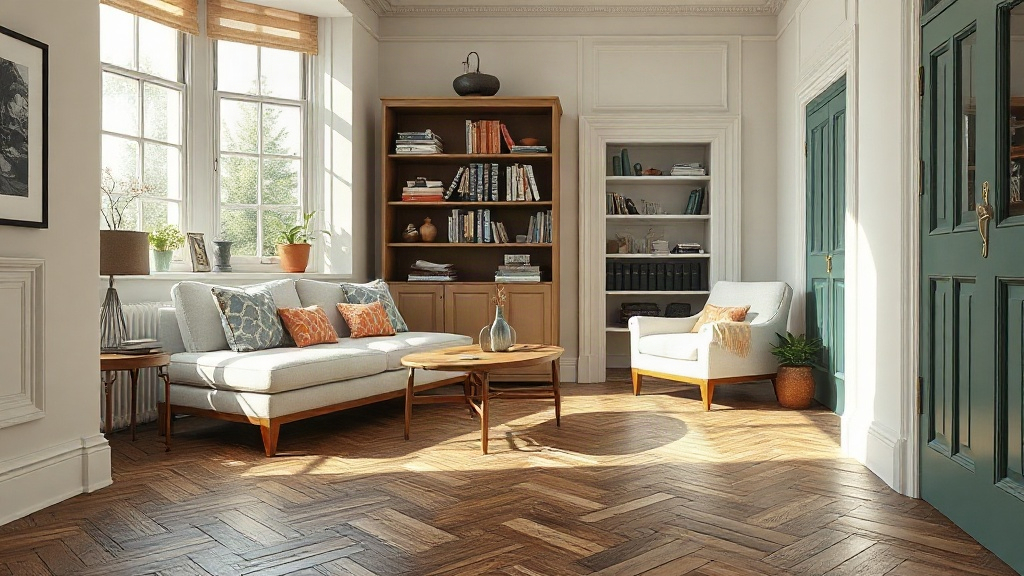
Another crucial factor in their design is the physical dimension of the blocks themselves. Neptune tends to favour a classic, slightly wider proportion rather than the very narrow, traditional parquet fingers found in Edwardian schools. This specific sizing feels contemporary but rooted in history, allowing the pattern to read clearly across a large room without looking too busy or visually overwhelming.
Finally, the finish plays a massive role in the overall aesthetic. Premium brands utilise hard wax oils or ultra-matte lacquers that protect the wood without adding an artificial, plastic-like shine. This matte finish absorbs light rather than reflecting it harshly, which is essential for creating a relaxed, sophisticated atmosphere in your living spaces.
Enhancing UK Interiors with Timeless Pattern
Herringbone flooring is one of the most effective ways to introduce subtle movement and geometric interest into a room without relying on bold wallpapers or bright paint colours. The zigzag formation naturally draws the eye outward, which can be a clever visual trick for making narrow hallways or compact living rooms appear wider and more generous than their actual footprint dictates.
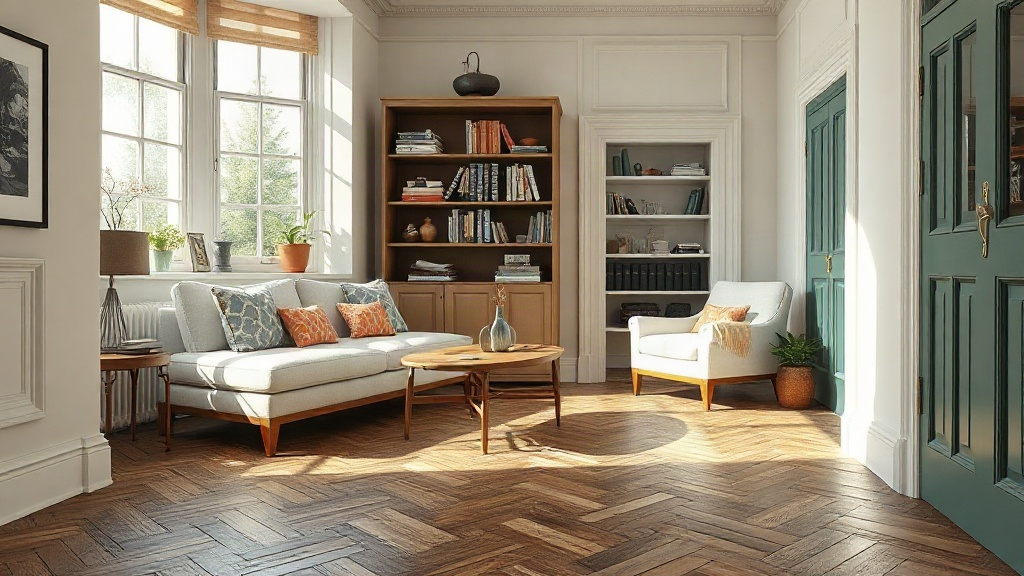
The pattern also possesses a remarkable versatility that allows it to bridge the gap between different design eras. Whether you are working with the ornate cornicing of a Georgian townhouse or the clean, minimalist lines of a modern extension, herringbone acts as a unifying foundation. It provides a structured backdrop that supports both antique furniture and sleek, contemporary cabinetry with equal success.
Furthermore, this style of flooring pairs beautifully with the muted, chalky paint palettes favoured in British interior design. The natural warmth of the wood tones offers a necessary counterpoint to popular shades like Farrow & Ball’s ‘French Gray’ or Little Greene’s ‘Slaked Lime’, preventing these cooler colours from feeling flat or clinical during the darker winter months.
Decoding Neptune’s Signature Style
If you plan to shop the high street for a convincing alternative, you must know what specific details to look for on the sample boards. A successful match requires paying close attention to the construction of the planks, the treatment of the edges, and the exact undertones of the wood.
Unpacking the Premium Materials and Craftsmanship
High-end options are almost exclusively crafted from engineered oak, which consists of a substantial top layer of solid hardwood bonded to a stable plywood base. This construction is highly valued in the UK because it resists the expanding and contracting that plagues solid wood floors when exposed to our fluctuating indoor heating and damp winter air. A thicker wear layer also means the floor can be sanded and refinished in the future.
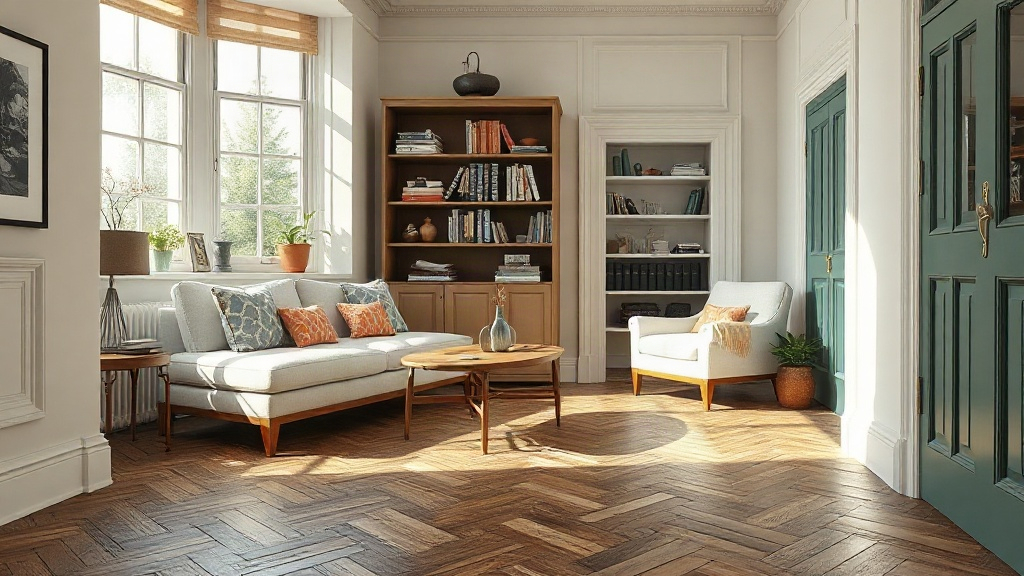
Pay close attention to the edges of the blocks. Premium boards usually feature a micro-bevel, which is a very slight, angled cut along the perimeter of each piece. When fitted together, these bevels create a tiny V-shaped groove that defines the individual blocks, highlighting the zigzag pattern. Cheaper laminates often have square edges that butt up flush, resulting in a flat, seamless look that instantly gives away their price tag.
The grade of the oak is also a defining characteristic. Neptune tends to use a natural grade that includes some knots and grain variation, but stops short of looking overly rustic or distressed. Finding a high-street alternative with a similar balance—enough character to look real, but clean enough to look elegant—is the key to pulling off the deception.
The Distinctive Colour Palettes and Finishes
The quickest way a budget floor reveals itself is through its colour. Cheaper wood stains often lean too heavily into orange, yellow, or overly ashy grey undertones. The signature premium look relies on raw, desaturated oak tones that look as though the wood has been freshly sawn and left untreated, preserving its pale, earthy neutrality.
To replicate this, you should seek out high-street samples labelled as ‘white oiled’, ‘raw oak’, or ‘smoked’. These finishes use subtle white or grey pigments settled into the grain to knock back the natural yellowness of the oak, resulting in a much softer, more sophisticated colour profile that serves as a versatile base for your furniture.
Always test your flooring samples in the actual room where they will be laid. British daylight can be notoriously cool and blue, especially in north-facing rooms. A sample that looks perfectly balanced under the bright, artificial lights of a John Lewis or Dunelm showroom might suddenly read as distinctly yellow or muddy when placed on your own living room floor.
High-Street Heroes: Your Budget-Friendly Alternatives
Now that we know exactly what we are looking for—a matte finish, micro-bevelled edges, and desaturated tones—we can turn our attention to the best options available on the UK high street. The major retailers have stepped up their game significantly, offering convincing alternatives across various materials.
Dunelm, Next & John Lewis: A Side-by-Side Comparison
John Lewis is arguably the strongest contender if you want to stick with real engineered wood. Their natural oak herringbone ranges frequently feature the thick wear layers, subtle micro-bevels, and matte oiled finishes that closely rival luxury brands. The tactile experience underfoot is almost indistinguishable from a premium product, making it a very smart compromise for main reception rooms.
Next Home has become a surprising frontrunner in the Luxury Vinyl Tile (LVT) market. Their click-fit herringbone LVT collections feature highly realistic embossed textures, where the surface grain actually matches the printed pattern beneath. They offer some excellent pale oak shades that capture the raw, untreated look perfectly, without the maintenance requirements of real wood.
Dunelm offers some of the most accessible price points, particularly in their laminate ranges. While laminate will never feel exactly like real wood, Dunelm’s recent collections feature improved matte finishes and more varied print repeats, reducing the likelihood of spotting identical knots placed right next to each other. It is a highly practical choice for those renovating on a strict budget.
Price Points and Practicality for UK Homeowners
The financial difference between these options is substantial. While a premium brand might set you back anywhere from £120 to £150 per square metre, John Lewis’s engineered oak typically sits in the much more palatable £60 to £85 bracket. This halves your material costs while still providing the authenticity and longevity of a real wood surface.
If you move towards LVT, the savings increase further. Next’s herringbone LVT ranges generally cost between £30 and £45 per square metre. For a large, open-plan kitchen and dining space of 40 square metres, choosing LVT over premium engineered oak could save you upwards of £4,000—money that could be redirected towards better kitchen cabinetry or high-quality lighting fixtures.
Dunelm’s laminate options can drop as low as £20 to £25 per square metre. While this is incredibly budget-friendly, it is vital to remember that fitting costs for herringbone patterns are always higher than standard straight planks, regardless of the material. The intricate cuts and precise alignment take a professional fitter significantly longer, so always factor this labour into your overall budget.
Beyond the Price Tag: Material Matters and Durability
Selecting the right high-street alternative isn’t solely about matching the colour and price; it is about choosing a material that can withstand the specific demands of your household. The most beautiful floor in the world will quickly lose its appeal if it becomes damaged by water spills or scratched by family pets within the first year.
Engineered Wood vs. Luxury Vinyl Tile (LVT) for UK Homes
Engineered wood from retailers like John Lewis offers the most authentic visual and tactile experience. It feels warm to the touch, sounds solid when walked upon, and can be sanded back if it sustains deep scratches. However, it requires careful maintenance; standing water from muddy boots or dishwasher leaks can cause the natural wood veneer to swell and stain.
LVT, such as the ranges found at Next or specialist brands like Karndean, is entirely waterproof. This makes it an exceptionally practical choice for British homes where the flooring needs to run seamlessly from a hallway into a kitchen or bathroom. You get the continuous, sweeping aesthetic of herringbone without panicking every time someone walks in from the rain.
Another practical advantage of LVT is its thickness. Engineered wood is typically 14mm to 20mm thick, which can create issues with floor heights, requiring doors to be trimmed and resulting in awkward steps between rooms. LVT is usually only 4mm to 6mm thick, making it much easier to lay over existing flat subfloors without causing major disruptions to your skirting boards or architraves.
Laminate and Beyond: Suitability for Busy Households
Modern laminate flooring has shed its outdated reputation. High-street options from Dunelm or B&Q now feature integrated scratch-resistant top layers and water-repellent joints. For households with large dogs whose claws might dent real oak, or for children’s playrooms where toys are constantly dropped, a heavy-duty laminate often proves more resilient than an expensive engineered board.
The main compromise with laminate is the acoustic experience. It tends to produce a sharper, more hollow ‘clack’ when walked on with hard shoes, lacking the dense, sound-absorbing qualities of real wood or LVT. You can mitigate this by investing in a high-quality, acoustic-dampening underlay, which is a sensible upgrade if you are laying laminate in a first-floor flat or bedroom.
When choosing laminate, pay close attention to the AC (Abrasion Class) rating. For a busy UK hallway or kitchen, you should look for an AC4 or AC5 rating, which indicates the floor is designed to withstand heavy residential or even light commercial traffic. This ensures the printed wood design won’t wear away in high-footfall areas over time.
Styling Your Herringbone: From Cottage to City Flat
Once you have selected your budget-friendly flooring, the way you install and style it will ultimately determine how expensive it looks. Herringbone is a dominant pattern, and it needs to be handled thoughtfully to ensure it complements your home’s architecture rather than fighting against it.
Maximising Space in Compact UK Rooms
In smaller rooms or narrow Victorian hallways, the direction in which you lay the pattern is crucial. As a general rule, the points of the zigzag should run parallel to the longest wall or follow the primary line of sight as you enter the room. This draws the eye forward, creating an optical illusion that elongates the space and makes it feel more expansive.
It is often best to skip the traditional border in compact spaces. While a border frame looks incredibly grand in a large, open-plan room, it can visually chop up a smaller floor plan, making the room feel boxed in. Running the herringbone pattern right up to the skirting boards creates a cleaner, more contemporary finish that maximises the feeling of space.
To keep the room feeling bright and airy, pair your new flooring with soft, light-reflecting wall colours. Dulux Heritage ‘Romney Wool’ or Farrow & Ball’s ‘Wimborne White’ work beautifully with pale oak tones. Keep heavy furniture raised on legs rather than sitting flush to the floor; seeing the herringbone pattern continue underneath sofas and cabinets helps the floor area appear larger.
Complementing Traditional and Contemporary UK Decor
If you live in a period property, you can afford to choose a slightly warmer, richer oak tone that nods to the building’s history. This pairs wonderfully with traditional architectural details like deep skirting boards, picture rails, and cast-iron radiators. To soften the geometric pattern in a drawing room, layer a large, textured wool or jute rug under your seating area.
For modern new-builds or contemporary extensions, stick to the palest, most desaturated oak finishes. These lighter tones prevent the space from feeling heavy and work brilliantly with the sleek lines of handleless kitchens and crittall-style doors. The herringbone pattern adds much-needed character and texture to square, newly plastered rooms that might otherwise feel a bit sterile.
Rugs are one of the easiest ways to define zones within large, open-plan spaces without needing to add physical walls. When placing a rug over herringbone, ensure it is large enough that the front legs of your furniture can rest on it, but leave at least a metre of the flooring visible around the edges so the pattern can still be appreciated.
Verity’s Verdict: Making the Smart Choice for Your Home
Achieving a high-end aesthetic on a high-street budget is entirely possible, provided you know where to compromise and where to hold firm on quality. The goal is to create a cohesive, beautiful home that serves your daily life, rather than emptying your savings for a brand name.
Balancing Aesthetic Desires with Realistic Budgets
If your budget allows for a little flexibility, a smart approach is to mix materials strategically. You might choose to invest in John Lewis engineered oak for your main living room and hallway, where the tactile feel of real wood is most appreciated by guests and family. This delivers the premium experience exactly where it matters most.
You can then stretch your budget by using a closely colour-matched LVT from Next or Karndean in the kitchen, utility room, and bathrooms. As long as the tonal values of the two floors are very similar, the transition will feel deliberate and cohesive, while providing the necessary water resistance in the hard-working areas of your home.
Always order multiple samples and view them together in your home before making a final decision. Place your high-street samples next to your kitchen cabinet doors, your skirting boards, and your upholstery fabrics. A budget floor that perfectly complements your existing decor will always look more expensive than a luxury floor that clashes with your paintwork.
Verity’s Final Styling Tips for Lasting Appeal
To ensure your new floor stands the test of time, steer clear of extreme trends. Highly distressed, heavily whitewashed, or stark grey finishes tend to date very quickly. Sticking to a classic, medium-light natural oak tone is the safest way to ensure your floor will still look stylish and relevant in ten years’ time, regardless of how your tastes in furniture or paint colours evolve.
Pay close attention to the finishing details. The transition strips between rooms, the radiator pipe covers, and the beading around the edges can make or break the installation. Avoid cheap plastic trims; opting for solid oak threshold strips from a hardware store like Screwfix, stained to match your floor, will dramatically improve the final appearance of a budget laminate or LVT.
Finally, remember that the quality of the installation is just as important as the product itself. A £30-per-square-metre LVT laid perfectly by a skilled professional will always look vastly superior to a £150-per-square-metre engineered oak floor that has been poorly fitted with uneven gaps. Allocate a sensible portion of your budget to a highly recommended local fitter, and you will secure that flawless, high-end finish you desire.