

Welcome back to Averis Living. There is something undeniably magical about the dream of bespoke cabinetry in a bedroom. We all crave that satisfying, weighty clunk of a solid wood door and the visual quietness of seamless, floor-to-ceiling integration. Neptune wardrobes have long been the absolute gold standard for this specific aesthetic, masterfully blending traditional British country charm with clean, contemporary lines. Their designs transform a simple room into a perfectly tailored sanctuary of calm, offering a beautiful respite from the chaotic pace of modern life.
However, let us be perfectly honest: true bespoke joinery comes with a rather eye-watering price tag that simply isn’t feasible for everyone. Creating that serene, architectural look does not always require commissioning a custom cabinetmaker or entirely depleting your renovation budget. I have spent the past few weeks meticulously scouring the British high street to find clever, budget-friendly alternatives. Today, I am sharing my favourite wardrobe dupes that capture that signature classic aesthetic, alongside my trade secrets for making them look wonderfully expensive and beautifully finished.
The Enduring Allure of Neptune Built-in Wardrobes
What exactly makes these premium designs so incredibly desirable? It ultimately comes down to their absolute mastery of proportion and an unwavering commitment to traditional joinery techniques. The iconic Chichester and Henley collections, for instance, feature classic shaker panelling, solid timber interiors, and a beautifully muted colour palette that immediately grounds a bedroom space. They feel far less like freestanding storage and much more like integral architectural features of the home, bringing a profound sense of order and quiet sophistication to our daily morning routines.
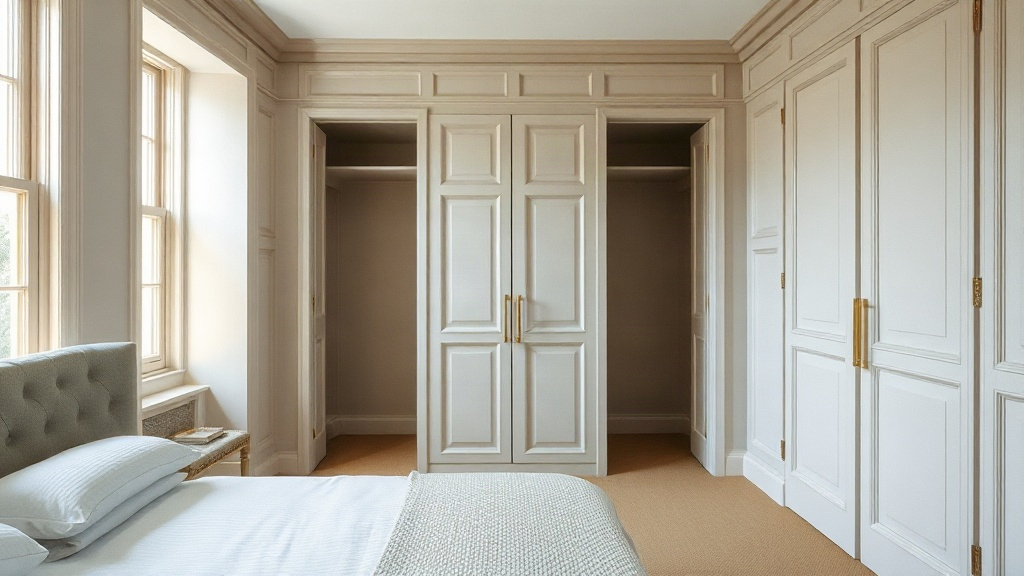
The true magic also lies in the exquisite finishing touches that frame the cabinetry. Think perfectly primed skirting boards that wrap seamlessly around the base, elegant cornice detailing where the units meet the ceiling, and weighty brass hardware that patinates beautifully over time. These thoughtful elements trick the eye into believing the wardrobes have stood there for a century. It is a masterclass in understated British luxury, creating a restful environment where every garment belongs and the overall aesthetic feels incredibly cohesive and considered.
Achieving this exceptional level of craftsmanship typically starts well into the thousands, placing it firmly out of reach for many standard home renovation budgets. The wonderful news is that understanding these specific design cues—the classic shaker doors, the wrapped skirting, the matte painted finish—gives us a precise blueprint to follow. By isolating these visual markers, we can successfully replicate the mood and aesthetic using far more accessible pieces from our favourite high-street furniture retailers, achieving a high-end look without the associated financial stress.
Smart High-Street Alternatives for a Bespoke Look
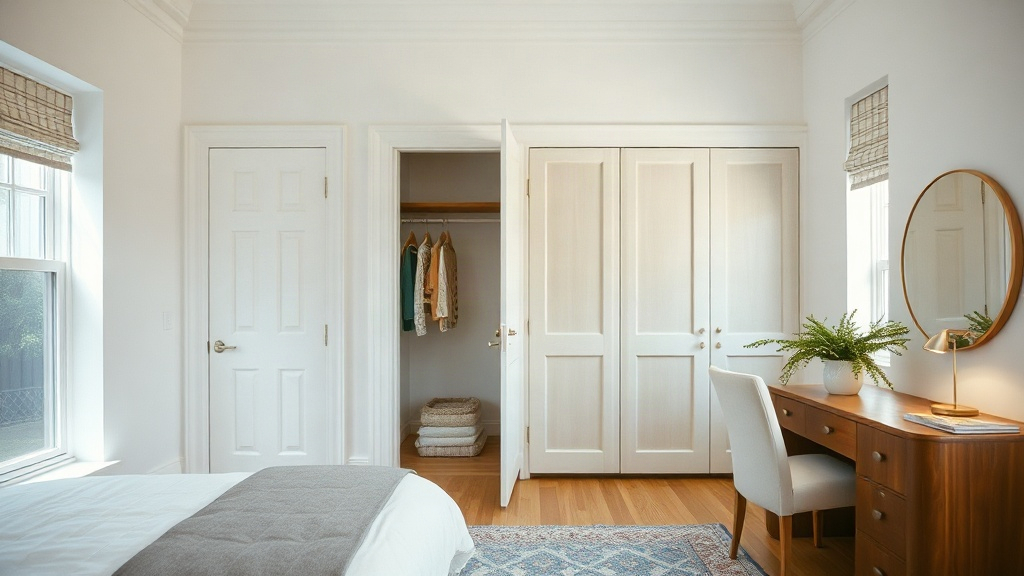
Replicating that bespoke cabinetry magic on a high-street budget requires a strategic eye and a willingness to look past a standard flat-pack label. The secret is finding modular or freestanding wardrobes with strong structural bones and classic shaker-style doors. These units can then be cleverly framed into an alcove or along a blank wall to mimic a built-in finish. Retailers like John Lewis, Dunelm, and Next have quietly introduced exceptional ranges that mimic traditional joinery, offering the perfect foundation for customisation in any modern British home.
| Product / Style | Retailer | Est. Price £ | Key Highlight |
|---|---|---|---|
| Bromley Shaker Wardrobe | Dunelm | £350 – £500 | Classic shaker doors with beautiful proportions, perfect for painting. |
| Bronx Modular System | Next | £400 – £600 | Highly modular framing, excellent for filling awkward alcoves. |
| Pax with Grimo Doors | IKEA | £250 – £450 | Unbeatable internal storage configurations and solid hinges. |
| Anyday Shaker Range | John Lewis | £450 – £700 | Exceptional build quality featuring a premium matte finish straight out of the box. |
When selecting your base units, you must pay incredibly close attention to the door profiles and panel proportions. The Dunelm Bromley range is a personal favourite because its simple shaker styling is remarkably close to premium brands. Furthermore, its soft grey finish serves as an excellent primer if you wish to colour-match the unit to your bedroom walls. Next’s Bronx collection offers excellent modularity, allowing you to fill awkward alcoves almost to the exact millimetre before adding your own custom filler panels and decorative trim.
To truly achieve the coveted built-in illusion, you must bridge the awkward gaps between the wardrobe, the ceiling, and the adjoining walls. This is where a little basic carpentry transforms the project from basic to bespoke. By securing MDF filler panels around the perimeter and finishing the top with a decorative timber cornice, you completely erase the freestanding origins of the piece. Finish the base by continuing your room’s skirting board across the bottom, anchoring the unit firmly into the existing architecture of the room.
Demystifying Materials, Finishes and Long-Term Value
The primary difference between a luxury wardrobe and a high-street alternative lies in the material composition hidden beneath the paint. Premium brands utilise solid tulipwood or oak frames with birch plywood interiors, guaranteeing decades of structural integrity. Conversely, budget-friendly alternatives rely heavily on melamine-faced chipboard and engineered MDF. While these composite materials lack the romanticism of solid timber, they are incredibly stable, resisting the warping and bowing that can affect natural wood in fluctuating household temperatures, making them highly practical for everyday family life.
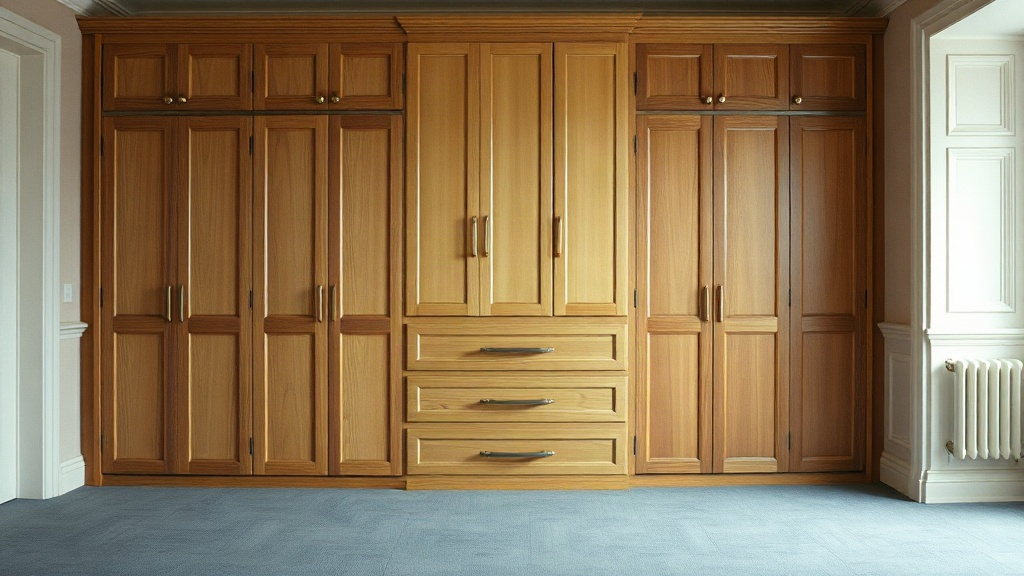
💡 Verity’s Styling Secret: When upgrading budget hardware, always opt for raw, unlacquered brass. It naturally tarnishes over time, creating a beautifully aged, organic patina that makes brand-new flat-pack doors look like authentic heritage joinery.
If you are purchasing an MDF or laminate dupe, mastering the painted finish is absolutely everything. Many high-street options come wrapped in a vinyl foil that mimics painted wood but lacks tactile warmth. To upgrade this, I highly recommend using a specialist bonding primer, like Zinsser BIN, which allows you to paint directly over laminate surfaces without sanding. Coating your budget wardrobe in a premium, chalky emulsion from Farrow & Ball instantly masks its mass-produced origins, providing a rich, velvety texture that mimics bespoke joinery.
Hardware is another crucial area where mass-produced furniture immediately reveals its lower price point. The handles supplied with flat-pack wardrobes are often lightweight, poorly cast, and visually uninspiring. I always advise discarding them immediately upon opening the box. Sourcing solid, unlacquered brass cup pulls or knurled T-bar handles from independent hardware merchants will fundamentally change how the doors feel. The tactile weight of quality metal against a freshly painted shaker door is the ultimate trick for faking high-end luxury on a strict renovation budget.
Internal Organisation: The Hallmark of High-End Cabinetry
The true luxury of a premium wardrobe often lies hidden behind beautifully crafted closed doors. High-end designs are renowned for their meticulous internal configurations, featuring solid oak shoe racks, integrated mirror panels, and perfectly proportioned pigeonholes for delicate knitwear. When working with high-street alternatives, the standard internal layout usually consists of a single hanging rail and a flimsy upper shelf. Upgrading this interior layout is essential for achieving that bespoke functionality and bringing organic warmth inside, ensuring your morning routine feels as luxurious as possible.
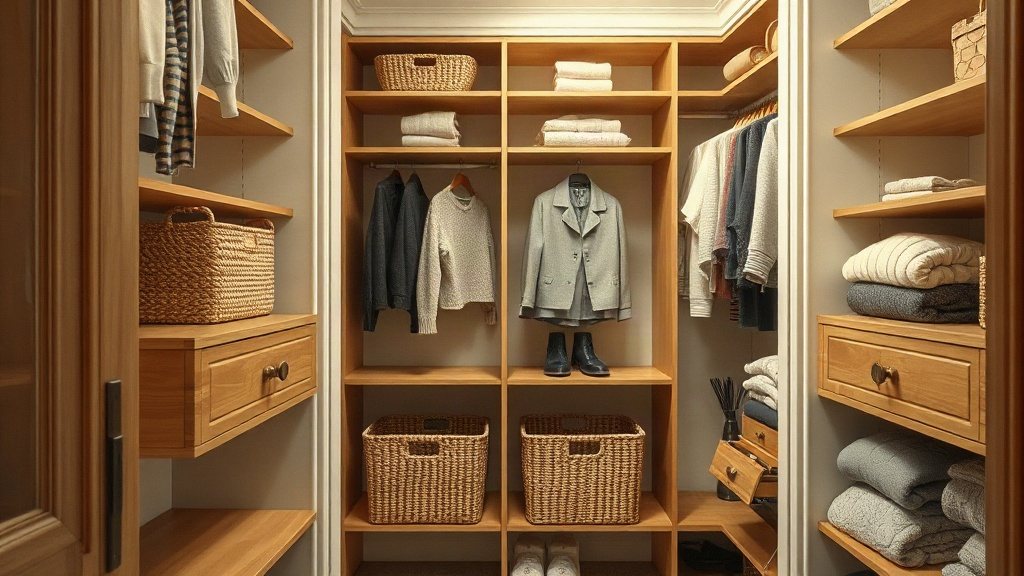
Fortunately, many affordable retailers now offer brilliant modular internal components that won’t break the bank. John Lewis and IKEA both provide excellent solid drawer inserts, pull-out trouser racks, and glass-fronted accessory trays that can be easily retrofitted into standard carcasses. To mimic the bespoke look further, consider lining the back panel of your wardrobe with a textured linen wallpaper. This unexpected layer of texture adds a beautiful layer of sophisticated charm every time you open the doors, making the interior feel like a curated boutique.
Do not underestimate the power of beautiful, uniform storage solutions to complete the high-end illusion. Swap out standard plastic storage bins for woven rattan baskets or linen-covered boxes to store your seasonal accessories and chunky winter knitwear. These natural, tactile textures soften the hard lines of the cabinetry and resonate perfectly with the classic British country aesthetic. By treating the inside of your wardrobe with the same careful design consideration as the outside, you create a truly functional sanctuary that feels incredibly luxurious and intentional.
Verity’s Styling Secrets: Transforming Your Budget Built-ins
Once the structural work is complete and the paint has fully cured, the final styling determines the ultimate success of your project. A beautifully integrated wardrobe should feel like a natural extension of the room’s atmosphere, rather than just a utilitarian storage box. I always suggest painting the wardrobes in the exact same shade as the surrounding walls. This technique, known as colour drenching, visually recedes the bulky furniture, making the bedroom feel significantly more spacious while creating a deeply calming, wrap-around effect that soothes the senses.
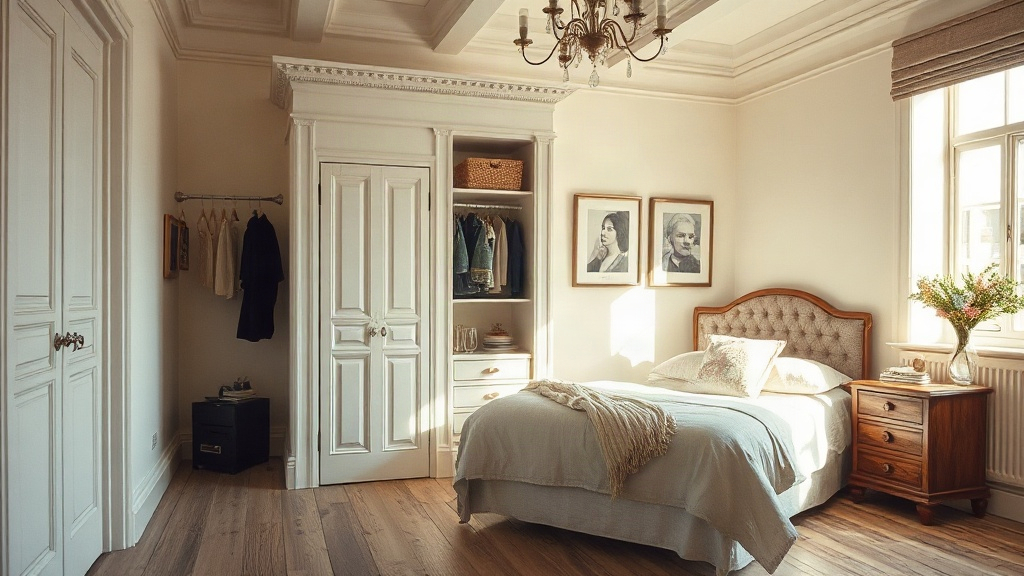
Lighting plays a pivotal role in creating that coveted high-end boutique atmosphere within your bedroom. You do not need to hire an electrician to achieve this luxurious effect; battery-operated, motion-sensor LED strips have become remarkably sophisticated in recent years. Tucking a warm-white LED strip behind the front lip of each internal shelf illuminates your clothing beautifully, recreating the glowing interiors seen in premium showrooms. It is a minor, inexpensive detail that brings immense joy and practicality during those dark, chilly British winter mornings.
Finally, consider the visual curation of your clothing collections. The most gorgeous exterior can be completely ruined by a chaotic, cluttered interior. Invest in matching wooden or velvet hangers—ditching the mismatched plastic wire ones is an absolute non-negotiable rule for a polished look. Use woven seagrass baskets on the top shelves for out-of-season garments, and line the drawers with a gently scented paper. These thoughtful, organic layers add character, proving that a serene, beautifully organised home is completely achievable on a high-street budget.
Creating a beautifully organised, bespoke-looking bedroom does not have to drain your hard-earned savings or require months of disruptive building work. With a little imagination, some clever high-street sourcing, and a dedicated weekend of painting and styling, you can achieve that coveted architectural look. It is all about focusing on the specific details that truly matter: elegant proportions, cohesive colour palettes, and tactile, weighty hardware that feels wonderful to use.
I sincerely hope these ideas inspire you to look at standard flat-pack furniture through a slightly different, much more creative lens. I would absolutely love to hear how you tackle your own bedroom storage projects and which beautiful paint colours you choose to make these pieces feel uniquely yours. Please do share your progress with us. Until next time, happy styling and decorating. Warmly, Verity.