

Welcome to another practical design breakdown for averisliving.uk. If you spend any time studying the beautifully tailored interiors in British design magazines, you will inevitably pause on a Heal’s built-in wardrobe. They represent the gold standard for bedroom storage, blending exceptional joinery with a quiet, understated aesthetic that feels perfectly at home in both Victorian terraces and modern new builds.
However, commissioning bespoke cabinetry from a heritage brand comes with a significant price tag, often running well into the thousands before you have even considered the internal fittings. For many of us renovating on a realistic budget, spending £6,000 to £10,000 on a single run of wardrobes simply is not feasible when there are other rooms requiring attention.
The good news is that the UK high street has caught up remarkably well. By knowing exactly which design cues to look for, you can recreate that coveted bespoke look using clever modular systems and off-the-shelf options. Today, we are looking closely at how to achieve the Heal’s aesthetic using accessible alternatives, saving you a considerable sum without compromising on the final finish.
The Enduring Appeal of Heal’s Built-in Wardrobes
There is a good reason we continually look to heritage brands when planning our core storage. Heal’s has spent decades refining the balance between form and function, creating furniture that feels substantial rather than mass-produced. Understanding what makes their fitted wardrobes so desirable is the crucial first step to replicating the look for less.
The Essence of British Craftsmanship
At the core of this high-end aesthetic is an unwavering commitment to quality materials and timeless proportions. A genuine Heal’s wardrobe does not rely on overly fussy details or fleeting trends. Instead, the focus is on the warmth of the wood grain, the solidity of the doors, and the precision of the joinery. You will typically see rich walnuts, warm oaks, or beautifully flat, matte-painted finishes that let the craftsmanship stand out.
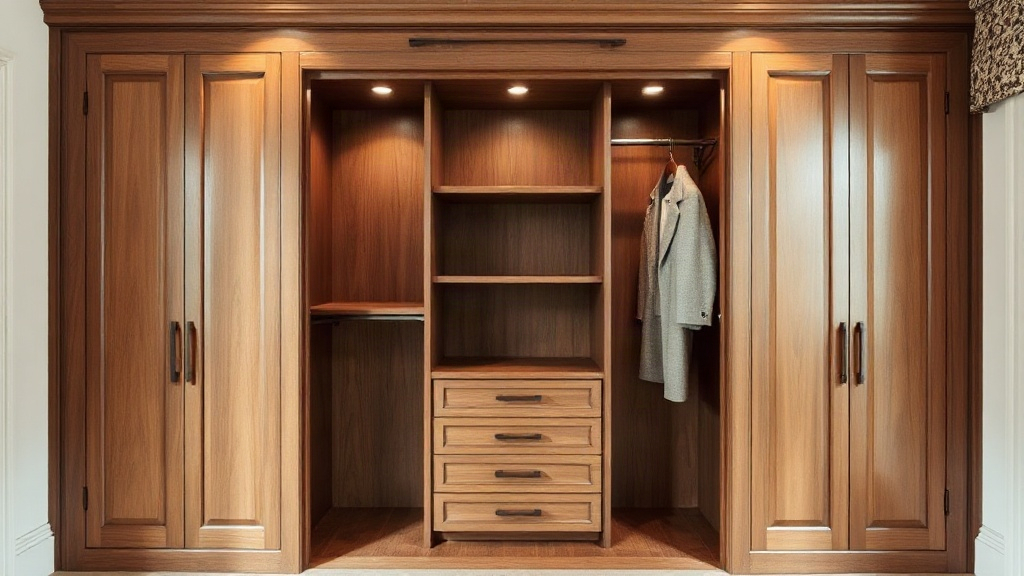
When you study these bespoke installations, you notice the absolute lack of visible seams or awkward gaps. The framing is scribed perfectly to the skirting boards, uneven walls, and cornicing, making the cabinetry look as though it was built simultaneously with the house itself. This architectural integration is what separates a premium built-in unit from a standard freestanding piece pushed against a wall.
To capture this essence on a budget, we need to focus on visual weight and texture. Flimsy doors and high-gloss laminates are immediate giveaways of a cheaper product. When sourcing our high-street alternatives, we will prioritise solid-feeling MDF, convincing wood veneers, and classic shaker or fluted profiles that mimic traditional carpentry techniques.
Why Built-in Wardrobes are a UK Home Must-Have
British housing stock is notoriously quirky. From sloping ceilings in Victorian eaves to the compact dimensions of modern new builds, standard freestanding furniture often leaves us with wasted alcoves and awkward dust traps. Built-in wardrobes solve these spatial puzzles by utilising every available millimetre, stretching seamlessly from floor to ceiling and wall to wall.
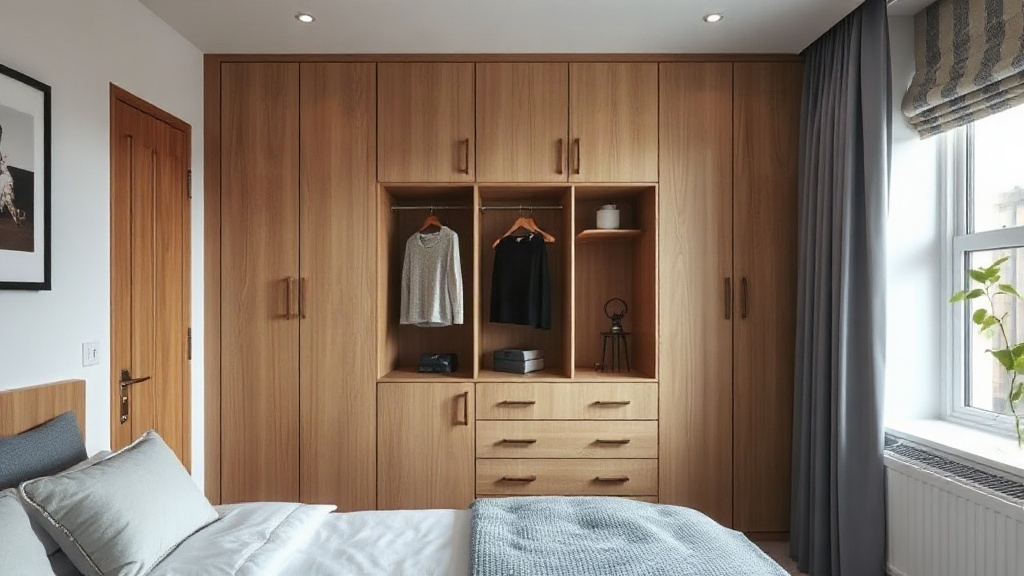
This wall-to-wall approach does more than just maximise your hanging space; it actually makes a bedroom feel larger. By removing the visual clutter of gaps around the furniture, a built-in unit acts as a continuous architectural feature. It calms the eye, creating a streamlined backdrop that allows your bed and soft furnishings to take centre stage rather than competing with bulky storage units.
Furthermore, fitted storage adds genuine value to a UK property. Buyers consistently look for clever storage solutions, and a well-executed wardrobe run suggests that the home has been thoughtfully maintained and upgraded. Even if you are using a budget-friendly modular system, finishing it to look fully fitted provides an excellent return on a relatively modest investment.
Decoding the Heal’s Aesthetic: Key Design Elements
Before we head to the high street to spend our money, we need a clear checklist of what we are actually looking for. The Heal’s look is defined by a few specific design choices that work together to create that premium, tailored finish. If our budget alternatives tick these boxes, we are halfway to a successful design.
Signature Materials and Finishes
The current high-end market is dominated by two distinct finishes: richly textured natural woods and ultra-matte painted surfaces. Heal’s often utilises slatted or fluted wood details, which add a tactile, architectural quality to flat expanses of cabinetry. If they are using paint, it is invariably a chalky, low-sheen finish in sophisticated, muted tones like warm stone, deep olive, or classic charcoal.
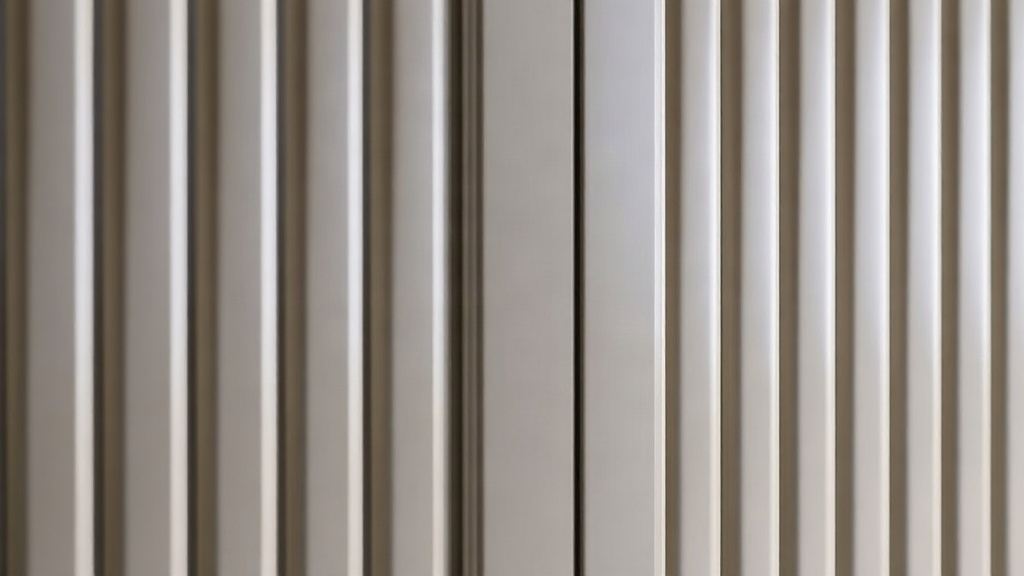
You should avoid anything with a high-gloss sheen or a cheap, printed woodgrain effect that repeats too obviously. When assessing high-street dupes, run your hand over the doors. You want a finish that feels substantial and smooth to the touch. Many modern melamine and foil-wrapped MDF doors now offer incredibly convincing matte finishes that replicate the look of professionally sprayed polyurethane paint.
Another signature element is the door profile. While a completely flat slab door can look sleek, a narrow shaker style or a subtly routed edge adds that necessary touch of traditional carpentry. These subtle shadows and lines break up the visual weight of a large wardrobe run, ensuring it feels like a considered piece of furniture rather than a monolithic block of MDF.
Functional Elegance and Internal Organisation
A luxury wardrobe is not just about a pretty exterior; the interior must work incredibly hard while looking immaculate. Premium brands line their cabinets in contrasting wood finishes, often using a warm oak or walnut carcass behind a painted door. This attention to detail means the wardrobe feels just as special when it is open as when it is closed.
The internal layout is heavily customised to the user’s specific wardrobe. You will find double hanging rails for shirts, dedicated shoe shelving angled for easy viewing, and soft-close drawers with glass fronts for folded knitwear. Lighting is also integrated directly into the hanging rails or routed into the side panels, automatically illuminating the contents when the doors are opened.
When replicating this, we need to look for modular systems that offer a wide variety of internal fittings. A basic rail and a single top shelf will not give you that bespoke feel. We want systems from the high street that allow us to mix drawers, pull-out trays, and varied shelving heights to suit our specific clothing collections.
Our Top UK Dupe Discoveries: Style on a Budget
Now that we know the design rules, it is time to look at the best alternatives available on the UK high street. We have reviewed the current collections to find the systems that offer the best balance of aesthetic appeal, structural quality, and modular flexibility, allowing you to build a premium-looking run without the designer price tag.
Dunelm and Next: Accessible Sophistication
For those working with tighter budgets, both Dunelm and Next have significantly improved their bedroom furniture offerings, introducing ranges that closely mimic boutique hotel aesthetics. Next’s ‘Malvern’ and ‘Logan’ ranges, for instance, offer excellent variations on the classic shaker and ribbed wood trends. They provide a reassuringly solid build for flat-pack furniture, with doors that hang straight and true.
Dunelm has also introduced some fantastic modular ranges that allow you to combine different widths of frames to fill your specific wall space. Their ‘Kendal’ range in matte painted finishes offers a brilliant base for a bespoke hack. While these are technically freestanding units, their straight edges and standard heights make them relatively easy for a competent DIYer or a local carpenter to frame in.
The key to making these accessible options look like a Heal’s original is in the assembly and finishing. Take the time to ensure the carcasses are perfectly level, even if your floors are not. Bolt the units together tightly so there are no visible gaps between the frames, and always secure them firmly to the wall to prevent any flexing when the heavy doors are opened.
John Lewis and Beyond: Elevated Dupes
Moving slightly up the price scale, John Lewis offers systems that bridge the gap between flat-pack convenience and bespoke quality. Their ‘Mix It’ range is a superb tool for creating a tailored layout. It offers an impressive variety of door styles, including soft-touch mattes and textured woodgrains that feel remarkably similar to the finishes you would find in a high-end showroom.
What makes the John Lewis offering particularly strong is the quality of the hardware. The hinges are robust, allowing for precise adjustment so the door margins are perfectly even—a crucial detail for achieving a premium look. They also offer a wider array of internal storage components, allowing you to design a layout that rivals a custom-built interior, complete with dedicated shoe racks and soft-close internal drawers.
We should also mention the IKEA Pax system here. While ubiquitous, it remains an excellent base for a high-end hack. By pairing standard Pax carcasses with custom doors from UK companies like Superfront or Custom Fronts, you can achieve an exact replica of a bespoke fluted or shaker wardrobe. The heavy lifting is done by the budget carcass, allowing you to spend your money on premium, visible doors.
Practical Styling Tips for a Bespoke Finish
Buying a good quality modular wardrobe is only the first step. The transformation from a standard piece of flat-pack furniture to a convincing built-in feature relies entirely on how you finish and style it. These final touches are where you can truly mimic the craftsmanship of a heritage brand.
Elevating Your Look with Hardware and Lighting
The standard handles that come with high-street wardrobes are often the biggest giveaway of their price point. Discarding these in favour of high-quality hardware is one of the simplest upgrades you can make. Look for solid brass, knurled matte black, or wrapped leather handles from specialist ironmongers. A heavy, tactile handle makes the entire door feel more substantial.
Lighting is another crucial element that separates basic storage from luxury cabinetry. You do not need to hire an electrician to achieve this. Rechargeable, motion-sensor LED strip lights can be discreetly stuck to the underside of the top shelf or along the vertical side panels. When the doors open, the soft wash of light instantly replicates the feel of a high-end dressing room.
Pay attention to the scale of your hardware. Long, oversized T-bar handles or continuous edge pulls running the length of the door can give a budget wardrobe a highly architectural, contemporary feel. Alternatively, small, unlacquered brass knobs that will tarnish and age over time provide a classic, traditional look that pairs beautifully with a matte painted shaker door.
Integrating Your Wardrobe into the Room Scheme
To make a modular unit look truly built-in, it must be physically connected to the architecture of the room. This means using MDF infill panels to bridge the gaps between the top of the wardrobe and the ceiling, and between the sides of the wardrobe and the walls. Once these panels are caulked and painted, the wardrobe becomes a seamless part of the room.
Colour drenching is a highly effective technique here. By painting your filler panels, the walls, the skirting boards, and even the ceiling in the exact same colour—perhaps using a rich shade from Little Greene or Farrow & Ball—you blur the boundaries of the furniture. Carrying the wall colour across paintable wardrobe doors creates a sophisticated, wrap-around effect that calms the visual noise in the bedroom.
Do not forget the skirting board. Running your room’s existing skirting board across the plinth of the wardrobe anchors the unit to the floor and is a hallmark of professional joinery. It requires a bit of straightforward carpentry to cut and mitre the skirting, but this single detail is arguably the most important step in faking a high-end, fitted installation.
Making Your Built-in Wardrobe Work for You
Ultimately, the best wardrobe is one that solves your specific storage problems while fitting your budget. It is easy to get caught up in the aesthetics, but practical planning is what ensures your new storage functions as beautifully as it looks, particularly in the notoriously varied dimensions of UK homes.
Smart Storage Solutions for UK Dimensions
Older British properties frequently present us with awkward alcoves, chimney breasts, and picture rails to navigate. When using modular high-street units, you might find that standard depths protrude too far into a narrow Victorian bedroom. In these instances, look for shallow-depth frames, which are typically around 35cm deep. While you cannot hang clothes standardly in these, they are perfect for forward-facing pull-out rails and folded clothes.
If you are dealing with a chimney breast, a common solution is to place full-depth wardrobes in the alcoves and use a shallower unit across the front of the chimney itself, tying them all together with a continuous run of doors and top framing. This creates a flush front across the entire wall, completely disguising the awkward masonry behind it.
Maximise the vertical space by taking your framing right up to the ceiling. Even if the wardrobe carcass stops short, the space above can be boxed in with MDF doors to create deep cubbies for seasonal items like winter duvets and suitcases. In a small room, this space is too valuable to waste, and boxing it in prevents it from becoming a dust trap.
The Investment vs. The Lookalike: A Price Point Comparison
To put this all into perspective, let us look at the numbers. A fully bespoke, four-door run from a premium retailer like Heal’s, complete with internal drawers, lighting, and professional installation, will comfortably start at around £6,000. This price climbs much higher depending on the finishes and internal complexities chosen. You are paying for premium materials and the expertise of skilled joiners.
By contrast, a four-door modular system from Dunelm or Next will cost between £600 and £900. Even if you factor in an additional £150 for luxury brass hardware, £50 for rechargeable lighting, and perhaps £300 for a local carpenter to frame it in with MDF and skirting, your total expenditure sits comfortably under £1,500. The financial saving is substantial.
While the high-street dupe will not have solid wood carcasses or traditional dovetail joints, the visual impact in the room can be remarkably similar. By investing a little extra time in the finishing details—upgrading the handles, colour-matching the paint, and framing the units to the ceiling—you can achieve a tailored look that adds both style and value to your home without draining your renovation budget.