

Are you dreaming of a living room that exudes tranquility, functionality, and timeless style? The Japandi aesthetic, a harmonious fusion of Japanese minimalism and Scandinavian warmth, offers just that. This design philosophy emphasizes simplicity, natural materials, and a deep appreciation for craftsmanship, creating spaces that are both beautiful and incredibly calming.
In this comprehensive guide, we’ll explore 25 distinct Japandi living room ideas, providing you with actionable insights and inspiring visuals to transform your home. From selecting the perfect furniture to mastering the art of decluttering, prepare to discover how to infuse your living area with the serene elegance of Japandi design.
Embracing the Core Japandi Aesthetic
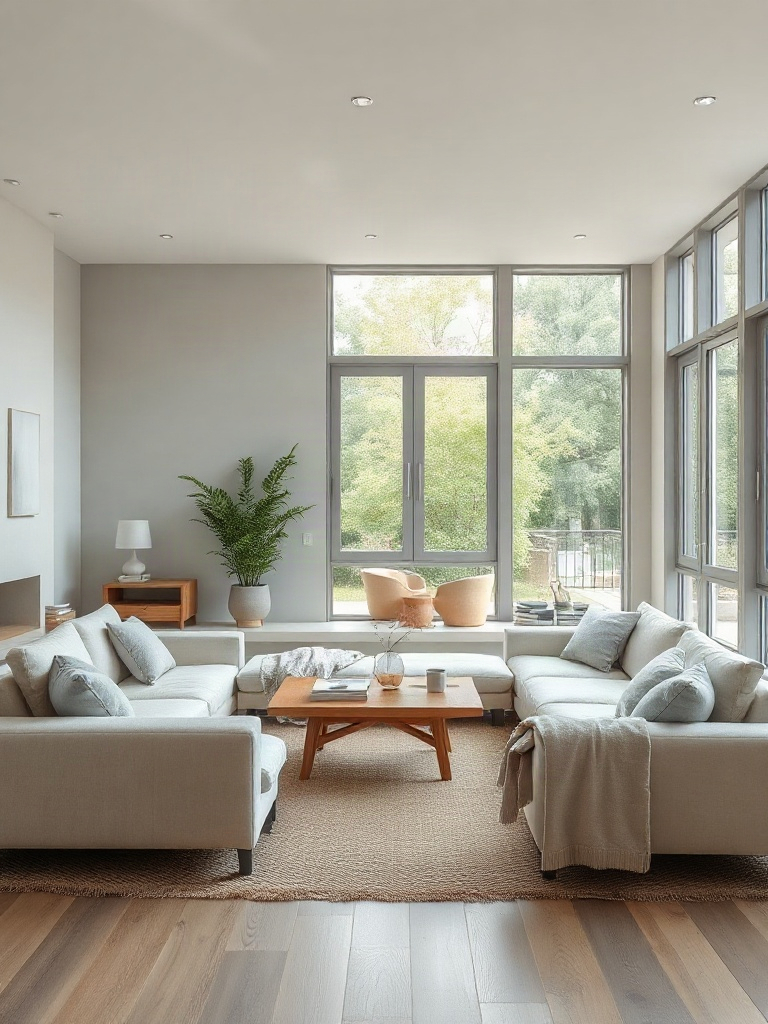
The essence of Japandi design lies in a sophisticated and harmonious blend of two distinct yet complementary aesthetics: the minimalist elegance of Japanese design and the warm, inviting functionality of Scandinavian style. This powerful fusion transcends mere decoration, embodying a philosophy of mindful living and an appreciation for quiet beauty. From the Japanese concept of wabi-sabi, we embrace natural imperfections, authentic materials, and a deep reverence for craftsmanship, fostering a sense of calm and groundedness. Simultaneously, the Scandinavian principle of hygge infuses spaces with coziness, comfort, and a pragmatic simplicity, ensuring every element serves a purpose while contributing to an overall feeling of well-being. Together, these traditions culminate in an aesthetic that celebrates uncluttered spaces, enduring quality, and a profound connection to nature, creating environments that are both visually stunning and deeply restorative.
Translating these core principles into tangible Japandi Living Room Ideas involves a deliberate curation of elements designed to foster serenity and functionality. Begin with a palette of muted, earthy tones – think serene greys, warm whites, soft greens, and natural wood hues – which serve as a calming backdrop. Furniture should feature clean lines and often a low-profile silhouette, reminiscent of traditional Japanese interiors, while still offering the plush comfort and robust construction characteristic of Scandinavian design. Prioritize natural materials such as light oak or darker walnut woods, organic cottons, linen, wool, and ceramic, ensuring every texture adds depth without visual clutter. The key is to create a space that feels open, airy, and inviting, where every object is thoughtfully chosen for its beauty, utility, and ability to contribute to a tranquil atmosphere, making your living room a true sanctuary.
Harmonious Japandi Living Room Color Palettes
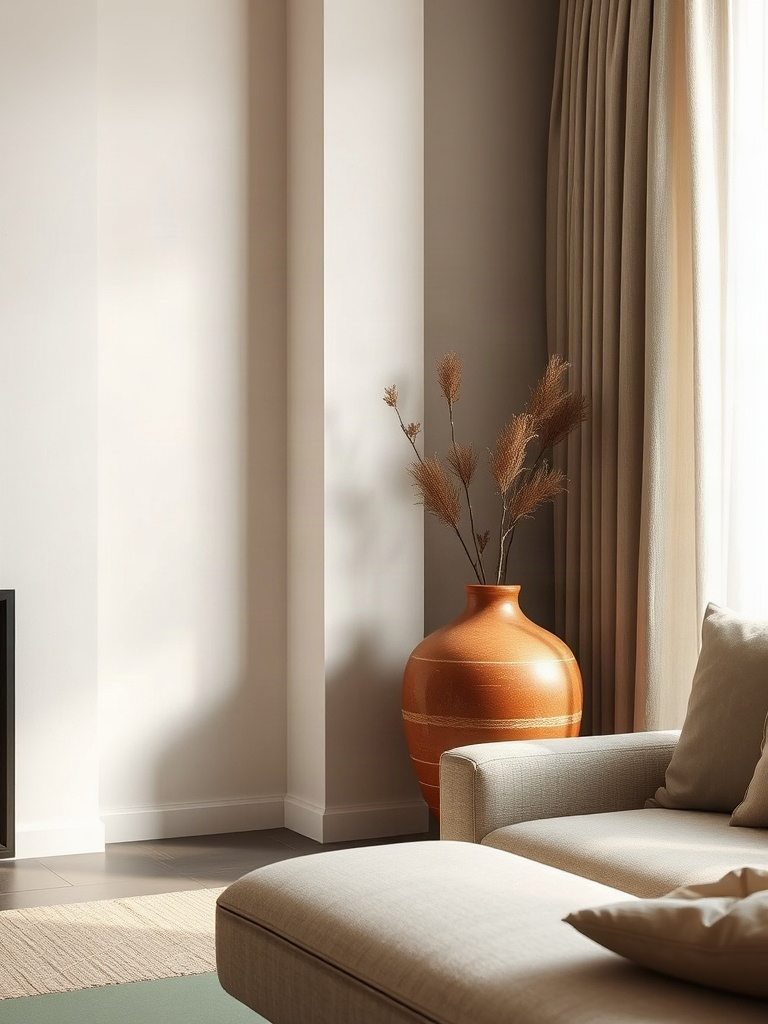
The essence of Japandi design lies in its profound connection to nature and a commitment to tranquility, elements beautifully expressed through its distinctive color palettes. For truly harmonious Japandi Living Room Ideas, embrace a foundation of calming neutrals, reminiscent of natural landscapes and minimalist aesthetics. Think soothing off-whites, creamy beiges, and warm greys that mimic untouched stone or aged wood, creating an immediate sense of spaciousness and peace. These foundational hues are often complemented by subtle, earthy tones drawn directly from the natural world: muted sage greens recalling mossy forests, soft terracotta hinting at artisanal pottery, and deep charcoals or slate blues reflecting serene bodies of water or dark timber. This curated selection fosters an environment of understated elegance, where every shade contributes to a cohesive visual narrative of balance and serene simplicity, far removed from jarring contrasts or overly vibrant schemes.
Implementing these exquisite colors within your Japandi living room involves a thoughtful layering approach. Begin with large surfaces like walls and ceilings in your chosen off-white, beige, or light grey to establish a bright, airy canvas. Introduce deeper, grounding earthy tones through key furniture pieces—a comfortable sofa in a warm charcoal linen, a wooden coffee table with a rich, natural grain, or handcrafted ceramic vases in soft terracotta. Textiles play a crucial role in adding texture and subtle color variations; consider throws and cushions in muted greens, creams, or even a soft indigo to provide gentle visual interest without disrupting the overall calm. The beauty of these Japandi Living Room Ideas lies in the deliberate restraint and the interplay of natural light with these subtle hues, ensuring a space that feels both inherently stylish and profoundly restorative, inviting relaxation and quiet contemplation.
Selecting Low-Profile Japandi Living Room Furniture
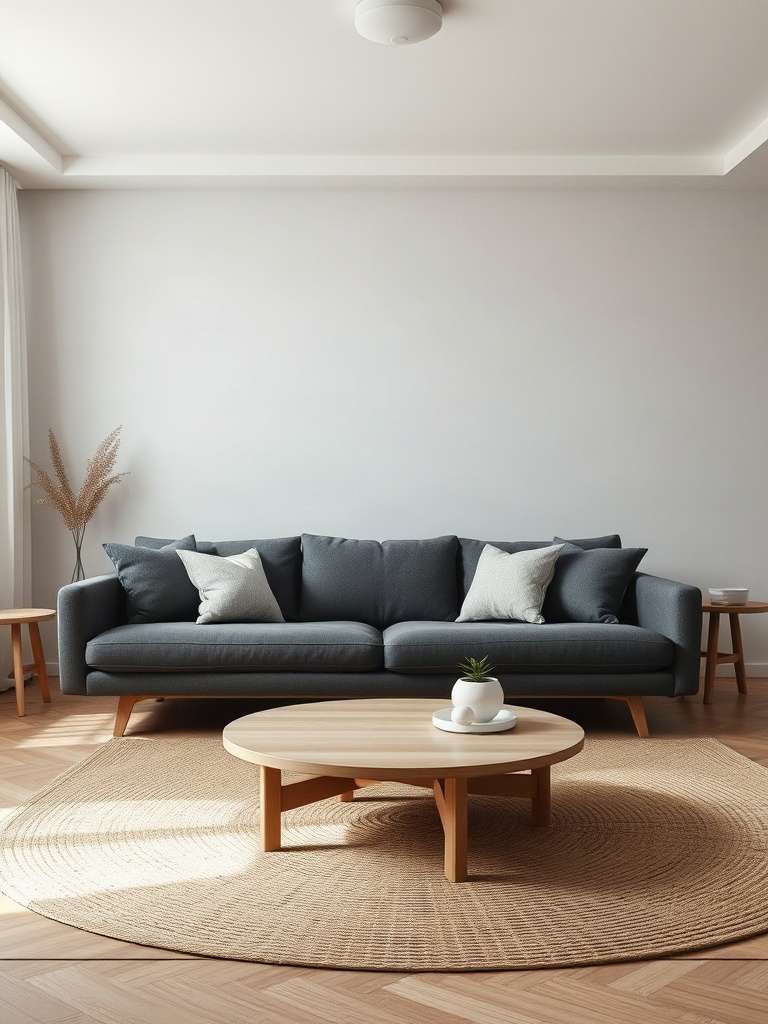
To truly embody the serene and sophisticated essence of Japandi design in your living room, the selection of low-profile furniture is paramount. This foundational choice isn’t merely an aesthetic preference; it’s a deliberate embrace of minimalism that visually expands your space, fosters a sense of grounded tranquility, and encourages a closer connection to your surroundings. Imagine sleek, elongated sofas with deep, comfortable cushions that sit closer to the floor, inviting relaxation without overwhelming the room. These pieces are meticulously designed with clean, uncluttered lines, often crafted from natural materials like light-toned wood or subtle, textured fabrics, ensuring they contribute to the overall calm without introducing visual noise. The emphasis is on functional beauty, where every piece serves a purpose while exuding an understated elegance that defines Japandi living room ideas.
Implementing this low-profile philosophy transforms your living area into a sanctuary of calm and functionality. Opt for modular sofas or sectionals that can be reconfigured to suit various needs, always maintaining that invitingly low silhouette. Pair them with coffee tables that are equally unassuming in height, perhaps a solid wood slab or a minimalist design with integrated storage, keeping surfaces clear and functional. Wall-mounted shelving or credenzas, rather than towering bookcases, further reinforce the horizontal lines and open feel. This approach not only enhances the visual spaciousness but also promotes a mindful living experience, where comfort is paramount, and clutter is consciously avoided. By choosing furniture that naturally grounds the space, you cultivate an environment that is both inherently stylish and deeply conducive to relaxation, perfectly aligning with the core principles of Japandi living room ideas.
Natural Wood & Organic Textures Integration
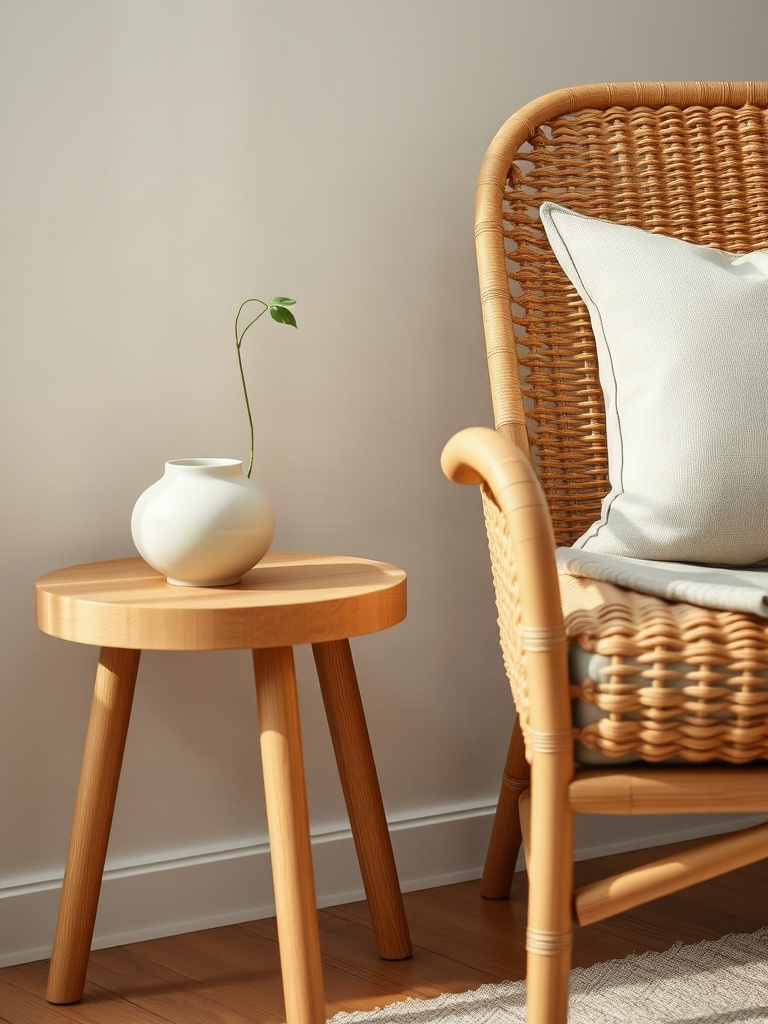
In the pursuit of serene, stylish, and functional Japandi Living Room Ideas, the integration of natural wood and organic textures stands as a cornerstone principle. This design philosophy champions the inherent beauty and calming presence of materials sourced directly from nature, fostering an environment that feels both grounded and exquisitely refined. Light-toned woods, such as pale oak, birch, or ash, form the backbone of this aesthetic, introducing a gentle warmth and a sense of authenticity that is unparalleled. These materials are not merely decorative; they are tactile elements that invite touch and contemplation, subtly elevating the everyday experience within your living space. The deliberate choice of natural elements over artificial ones underscores a commitment to sustainability and a timeless elegance that transcends fleeting trends, making your Japandi living room a sanctuary of enduring style.
To truly manifest this vision within your Japandi Living Room Ideas, consider how these textures can be layered throughout the space. Introduce furniture pieces crafted from light woods – a minimalist coffee table, a sleek console, or a finely crafted shelving unit – allowing their natural grain to speak volumes. Complement these with accents of bamboo, perhaps in the form of a delicate room divider or a sculptural lamp base, adding an exotic yet understated touch. Rattan, woven into armchairs, decorative baskets, or pendant lights, brings an inviting texture and a relaxed, airy feel. For soft furnishings, embrace the understated luxury of linen: drapes that fall gracefully, throw pillows that offer subtle comfort, and upholstery that breathes life into seating arrangements. These organic textiles not only enrich the visual landscape but also enhance the acoustic quality of the room, contributing to the overall sense of tranquility and tactile richness that defines a truly exceptional Japandi living space.
Strategic Lighting for Serenity
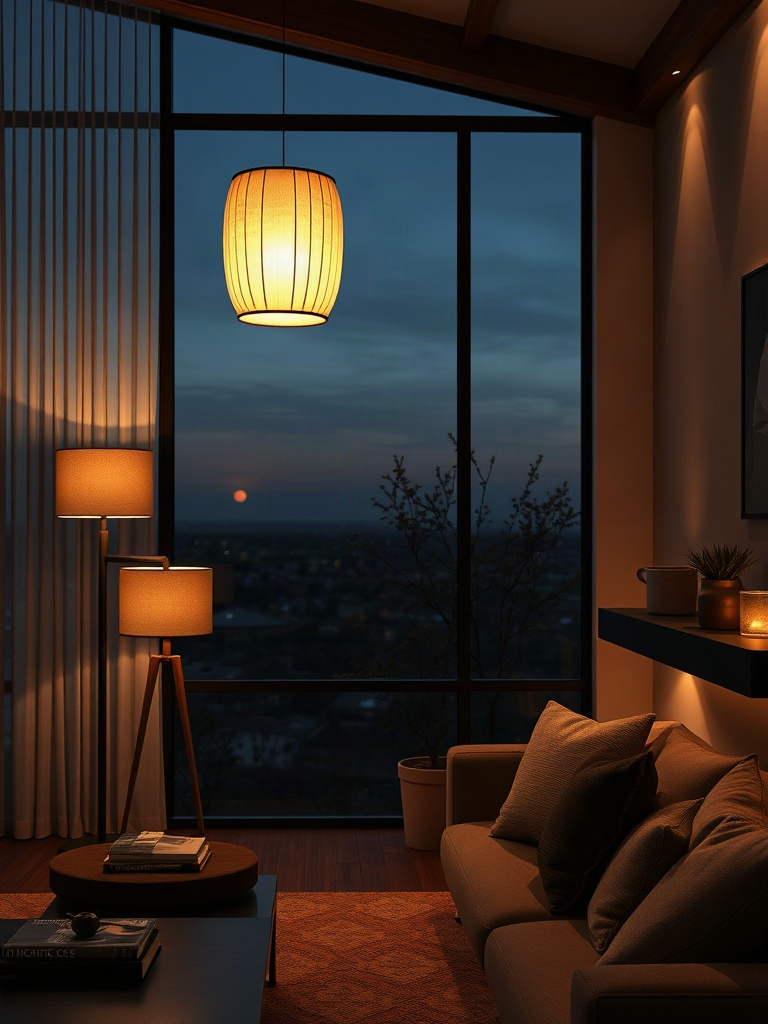
In the realm of Japandi design, lighting transcends mere illumination; it becomes an art form, a crucial element in sculpting an atmosphere of profound tranquility and inviting warmth. Strategic lighting for serenity is paramount, focusing on soft, diffused sources that mimic natural daylight or the gentle glow of a setting sun. This approach avoids harsh overhead illumination, instead favoring a layered system that eliminates stark shadows and creates a continuous, calming visual flow. The essence lies in fostering an ambiance that soothes the senses, promoting relaxation and mindfulness, perfectly aligning with the core tenets of Japandi Living Room Ideas, where every detail contributes to a harmonious and balanced environment.
To achieve this coveted serene glow within your Japandi living room, consider a multi-faceted lighting scheme. Begin with ambient light from floor lamps featuring natural materials like linen or rice paper shades, casting a warm, enveloping luminescence. Introduce task lighting with understated table lamps placed on side tables or consoles, providing focused yet gentle light for reading or conversation without overpowering the space. Accent lighting, such as concealed LED strips behind shelves or within architectural details, can highlight textures and create a subtle, ethereal depth. Dimmers are essential across all sources, allowing you to fine-tune the intensity and adapt the mood throughout the day. This careful curation of light sources ensures your Japandi Living Room Ideas truly embody a peaceful sanctuary, where functionality meets exquisite, understated beauty.
Decluttering for Openness & Calm
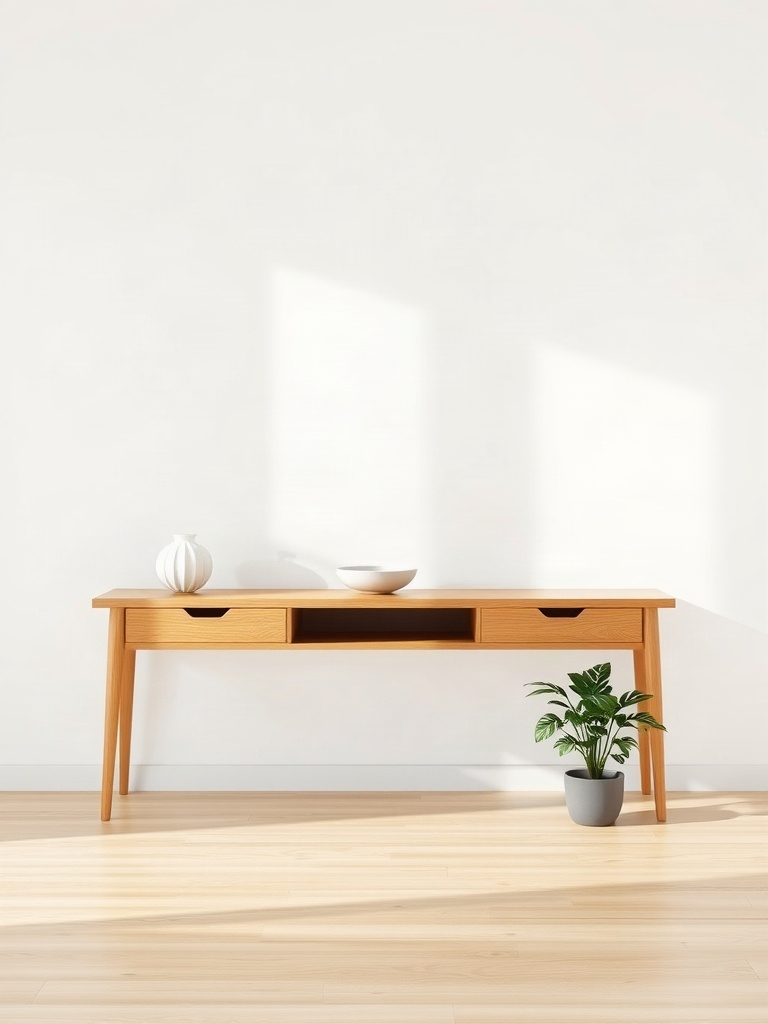
The essence of a truly serene home lies not just in what you add, but profoundly in what you choose to remove. Mastering the art of minimalism is the cornerstone of achieving the spacious, uncluttered feel synonymous with Japandi aesthetics. This philosophy extends beyond mere tidiness; it’s a deliberate practice designed to cultivate an environment that promotes profound peace, mental clarity, and an effortless flow of energy. Imagine a space where every object holds purpose or evokes joy, where visual noise is absent, allowing your mind to unwind and truly connect with the tranquility of your surroundings. This intentional reduction fosters an open, airy ambiance, transforming your living area into a sanctuary from the complexities of the outside world. It’s about creating breathing room, both literally and figuratively, allowing the inherent beauty of your design elements to shine without competition, echoing the deep respect for space found in both Japanese and Scandinavian traditions.
To translate this principle into your Japandi Living Room Ideas, begin by ruthless editing. Embrace the ‘one in, one out’ rule, ensuring new acquisitions don’t contribute to accumulating clutter. Prioritize smart, integrated storage solutions – think low-profile cabinets, built-in shelving, or multi-functional furniture like ottomans with hidden compartments and sleek console tables that double as subtle storage. Surfaces should remain largely clear, showcasing only a few carefully selected, high-quality items such as a handcrafted ceramic vase, a stack of inspiring design books, or a single, sculptural plant. This deliberate curation prevents visual overload and highlights the beauty of individual pieces, reinforcing the Japandi ethos of quality over quantity. By strategically minimizing visible belongings, you not only achieve a visually expansive and calming environment but also create a living room that truly embodies functional elegance and quiet sophistication, central to outstanding Japandi Living Room Ideas.
Biophilic Design: Bringing Nature Indoors
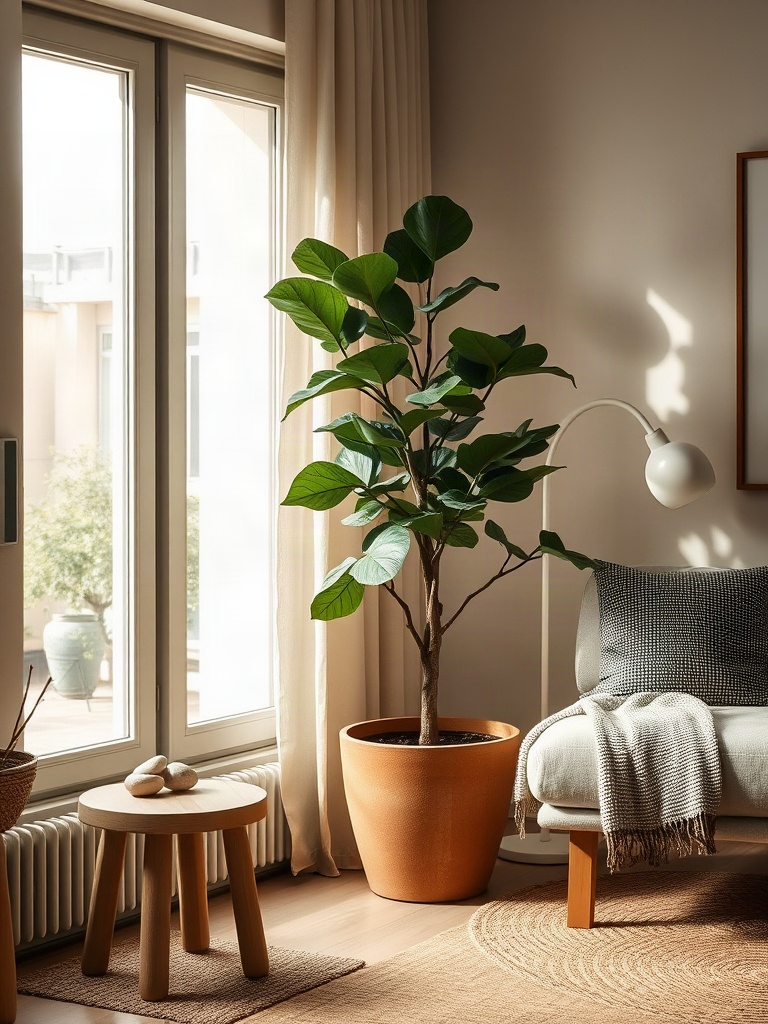
Biophilic design, at its core, is about fostering a deeper connection between humans and nature within our built environments. This philosophy aligns seamlessly with the serene principles of Japandi design, which inherently values natural materials, light, and a sense of calm. By consciously integrating natural elements into your living space, you not only enhance its aesthetic appeal but also promote well-being, reduce stress, and improve air quality. For those seeking to create harmonious Japandi Living Room Ideas, embracing biophilia means moving beyond mere decoration to cultivate an environment that breathes with life, reflecting the organic beauty found in the natural world. It’s about creating a sanctuary where the outside world feels invited in, contributing to a truly restorative atmosphere.
To effectively weave biophilic design into your Japandi living room, consider the thoughtful placement of carefully chosen plants. Opt for varieties that complement the minimalist aesthetic, such as elegant snake plants, sculptural ZZ plants, or delicate Ficus lyrata, housed in simple, artisanal ceramic or concrete planters. Beyond greenery, incorporate other natural elements like smooth river stones in a decorative bowl, a driftwood sculpture, or a water feature with a gentle trickle to engage multiple senses. Large windows that frame a view of the garden, or even strategically placed mirrors reflecting outdoor light, can further amplify this connection. The goal is to create a multi-layered sensory experience that brings the tranquility and revitalizing energy of nature directly into your Japandi Living Room Ideas, ensuring a space that is both visually stunning and profoundly grounding.
Functional & Aesthetic Storage Solutions
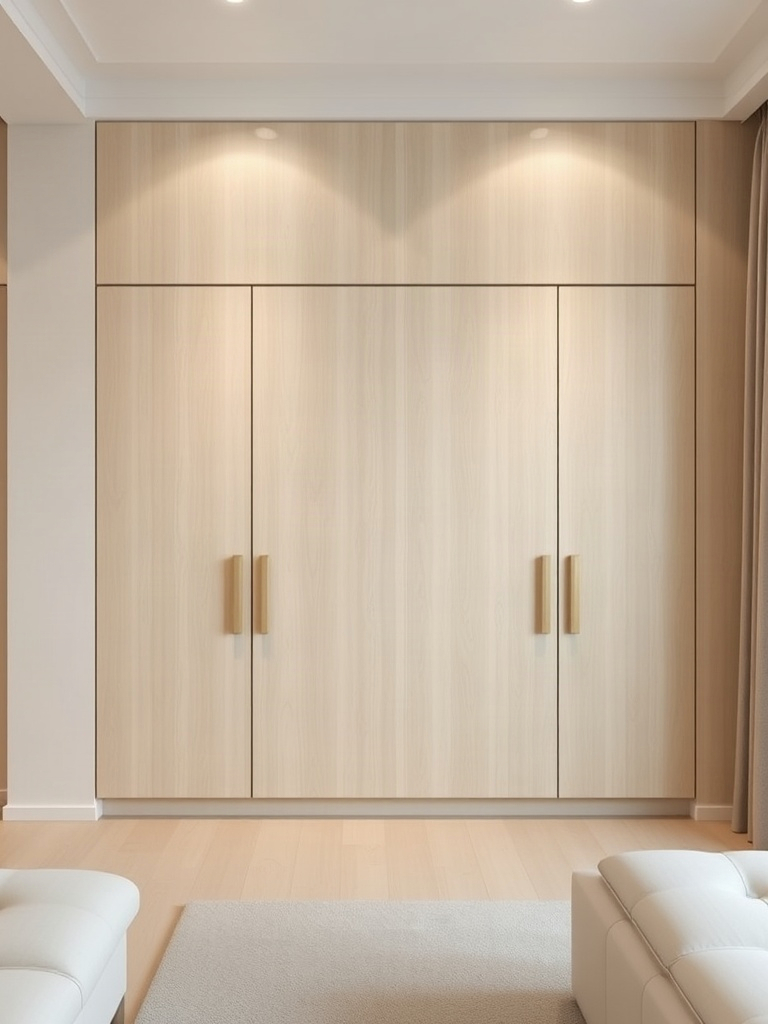
In the pursuit of a truly serene and minimalist aesthetic, functional yet beautiful storage solutions are paramount for any Japandi living room. The essence of Japandi design lies in its uncluttered elegance, where every element serves a purpose and contributes to a sense of calm. This necessitates a thoughtful approach to storage, moving beyond mere utility to embrace solutions that are seamlessly integrated, often hidden from plain sight, to maintain immaculate clean lines and prevent any hint of visual clutter. Imagine spaces where necessities are discreetly tucked away, allowing the beauty of natural materials, expert craftsmanship, and the simplicity of form to take center stage, fostering an environment of tranquil harmony.
To achieve this refined functionality within your Japandi living room ideas, consider bespoke built-in cabinetry that blends effortlessly with walls, featuring flush panels and handle-less designs in natural wood tones or muted, earthy colors. Opt for multi-functional furniture pieces, such as a sleek coffee table with concealed drawers or an elegant bench that doubles as a storage chest for throws and cushions. Even open shelving, when carefully curated, can serve as an aesthetic display for a few cherished objects, while bulkier items are relegated to enclosed units. These clever, hidden storage solutions are not just practical; they are integral to preserving the peaceful, organized sanctuary that defines the ultimate Japandi living experience.
Curated Wall Art & Decor
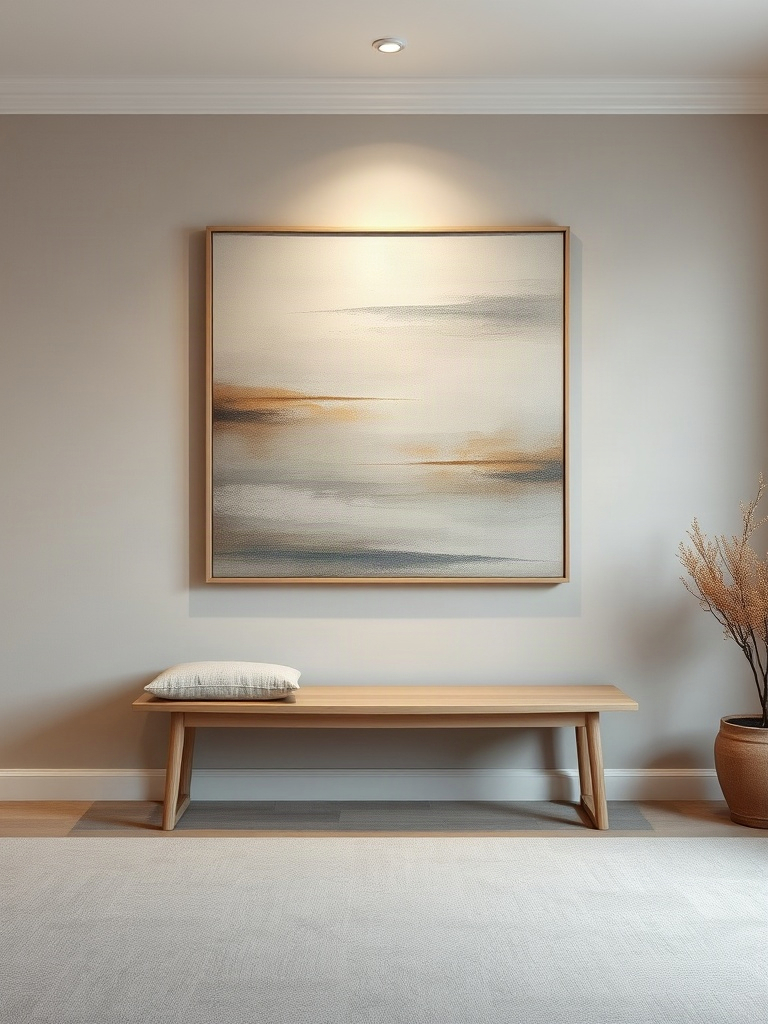
In the pursuit of truly serene and stylish Japandi living room ideas, the art of curating wall decor becomes paramount. Far from the maximalist approach, Japandi aesthetics champion thoughtful selection, where each piece contributes to the overall tranquility without demanding undue attention. Embrace minimalist art that speaks volumes through its simplicity – think abstract lines, subtle textures, or monochromatic studies that evoke a sense of calm. Complement these with handcrafted pieces, perhaps a unique ceramic plate, a woven tapestry with natural fibers, or a beautifully imperfect wooden sculpture. These elements inject soul and character, celebrating the wabi-sabi principle of appreciating imperfection and the beauty of natural materials. The goal is to create visual interest and warmth, ensuring the space feels lived-in and inviting, yet never cluttered or overwhelming, maintaining the core essence of a peaceful sanctuary.
Implementing this refined approach within your Japandi Living Room Ideas involves strategic placement and an unwavering commitment to quality over quantity. For wall art, consider a single, impactful piece above a sofa or a meticulously arranged small triptych that maintains ample negative space, allowing each element to breathe. Frames should be understated, ideally in natural wood tones like light oak or walnut, or sleek black metal that recedes into the background. Handcrafted decor can find its place on open shelving, a minimalist console table, or even as a subtle wall-mounted accent. Choose pieces with organic forms and earthy palettes – soft greys, muted greens, sandy beiges, or deep charcoals – to harmonize with the overall aesthetic. Remember, every item should feel purposeful, adding a layer of sophisticated charm that enhances the peaceful, functional beauty central to all Japandi Living Room Ideas, transforming your space into a sanctuary of understated elegance.
Comfortable Seating Arrangements
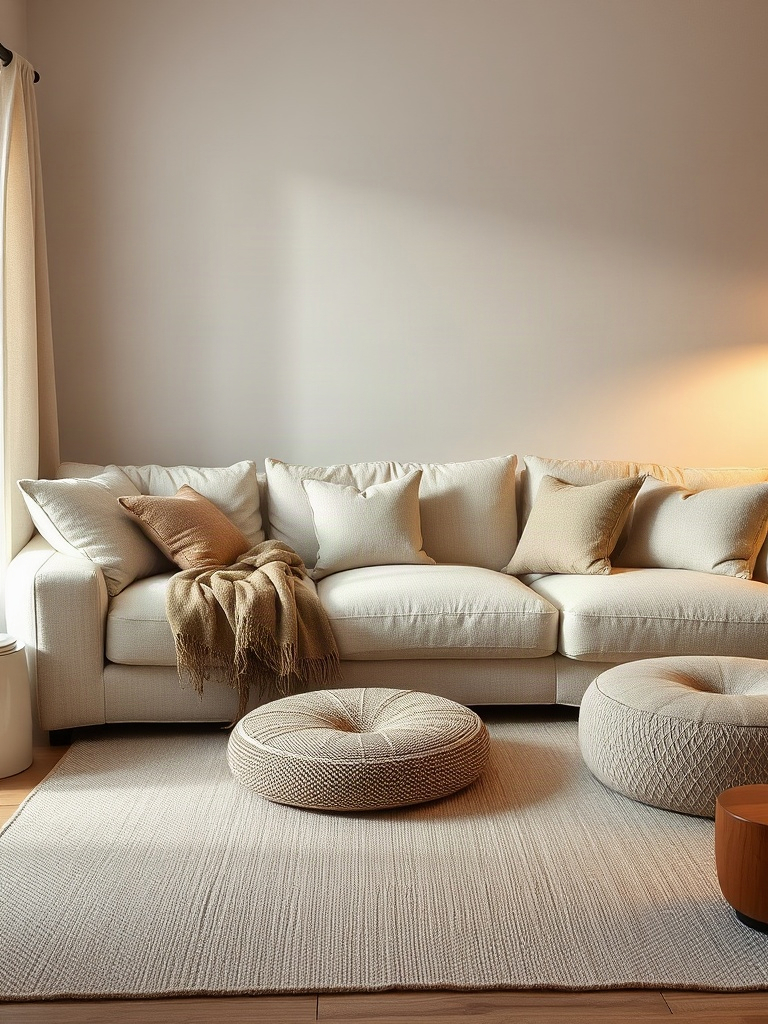
In the pursuit of creating truly serene and stylish Japandi living room ideas, the design of comfortable seating arrangements stands as a cornerstone. This aesthetic masterfully blends the minimalist elegance of Japanese design with the cozy warmth of Scandinavian hygge, resulting in spaces that are not only visually appealing but deeply inviting. Imagine sinking into low-slung sofas with generous proportions, their clean lines softened by plush, natural textiles. The emphasis here is on crafting an atmosphere of understated luxury and relaxation, where every cushion and every seating option beckons you to unwind. It’s about designing a sanctuary where both form and function converge to foster a profound sense of calm and well-being, making your living room the ultimate retreat from the everyday.
To achieve this harmonious balance within your Japandi living room ideas, prioritize furniture that embodies both simplicity and supreme comfort. Opt for modular, low-profile sofas in neutral tones like charcoal, cream, or muted earth colors, upholstered in tactile fabrics such as organic cotton, linen, or wool. These materials not only add texture and warmth but also align perfectly with the Japandi preference for natural elements. Complement these main pieces with an array of floor cushions and poufs, strategically placed to encourage informal gathering and provide flexible seating options. Consider integrating a sleek, minimalist daybed for an additional layer of lounging luxury. Thoughtful arrangement, perhaps around a simple, low coffee table, can define intimate zones within a larger space, ensuring that your Japandi living room remains both highly functional and exquisitely comfortable, perfectly embodying the serene ethos of the style.
Subtle Textile Layering for Warmth

In the pursuit of a truly serene and inviting Japandi living room, the strategic application of subtle textile layering emerges as a cornerstone of both comfort and refined aesthetics. Far from a maximalist approach, this technique focuses on introducing warmth and tactile richness through carefully selected natural fabrics without overwhelming the minimalist ethos. Imagine the comforting embrace of a chunky wool knit throw draped artfully over a sleek, low-profile sofa, or the understated elegance of linen scatter cushions providing a gentle counterpoint to clean lines. These natural fibers—from the breathable, textured weave of linen to the soft, insulating qualities of wool and the comforting familiarity of organic cotton—are not merely decorative elements; they are essential components that elevate the sensory experience of your space, fostering a deep sense of tranquility and lived-in warmth. They invite relaxation, soften hard edges, and add an invaluable layer of visual and physical comfort, crucial for any premium Japandi Living Room Ideas.
To master this art in your Japandi living room, begin with a foundation of natural rugs. Opt for a low-pile wool rug in a muted, earthy tone or a textured jute piece to define zones and add grounding warmth underfoot, ensuring it complements rather than competes with your existing decor. Next, introduce throws that invite touch and provide an immediate sense of coziness. A finely woven linen throw in a cool grey or a substantial organic cotton blanket draped casually over an armchair can instantly soften the space. Finally, complete the look with an edited selection of pillows crafted from similar natural materials. Think textured linen or a subtly ribbed wool blend in complementary neutral hues, perhaps one or two per seating area. The key is to maintain a cohesive, understated palette, allowing the inherent beauty and texture of the fabrics to speak for themselves, enhancing the functional yet deeply comforting atmosphere integral to all inspiring Japandi Living Room Ideas.
The Role of Ceramics & Pottery
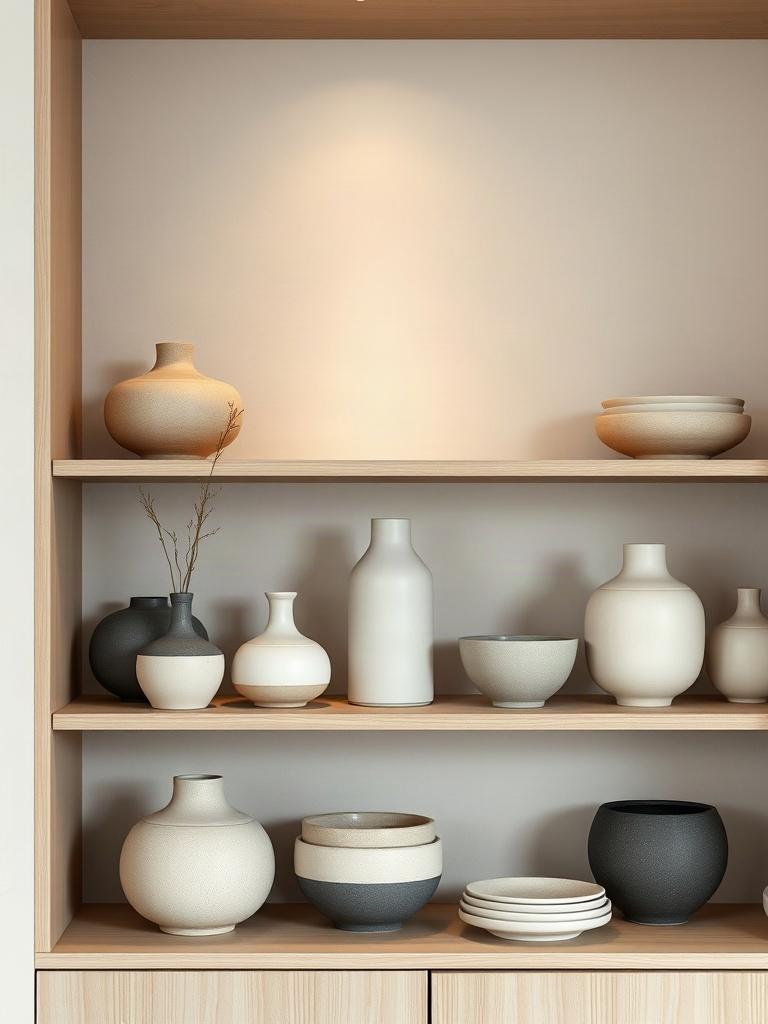
In the pursuit of serene, stylish, and functional spaces, the discerning eye for Japandi Living Room Ideas understands the profound impact of handcrafted ceramic pieces. Far more than mere decorative accents, these artisanal creations introduce a layer of subtle texture and character that speaks volumes about authenticity and mindful living. Drawing from both the wabi-sabi philosophy of appreciating imperfection and the Scandinavian reverence for natural materials, ceramics and pottery become essential elements. Imagine a perfectly imperfect stoneware vase, its unique glaze telling a story of human touch, or a hand-thrown bowl with a tactile finish, inviting quiet contemplation. These pieces bring an organic warmth and grounding presence, connecting the interior to the raw beauty of the earth and subtly elevating the sophisticated simplicity inherent in Japandi design.
Integrating ceramics into your Japandi living room is an art of thoughtful placement and curation. Opt for pieces that echo the muted, natural color palettes typical of Japandi aesthetics – think earthy browns, soft greys, creamy whites, and understated blues or greens. A sculptural ceramic vase, perhaps with an asymmetrical form, can become a striking focal point on a minimalist console table, or a collection of varying-sized pots can add visual interest to a built-in shelf. Consider functional pottery too, such as a beautifully crafted tea set or a large, simple planter for a lush indoor plant, seamlessly blending beauty with utility. Each carefully chosen ceramic piece contributes to the overall tranquility and refined elegance, ensuring your Japandi Living Room Ideas space feels both deeply personal and effortlessly sophisticated, embodying a true sense of calm and collected style.
Window Treatments for Natural Light
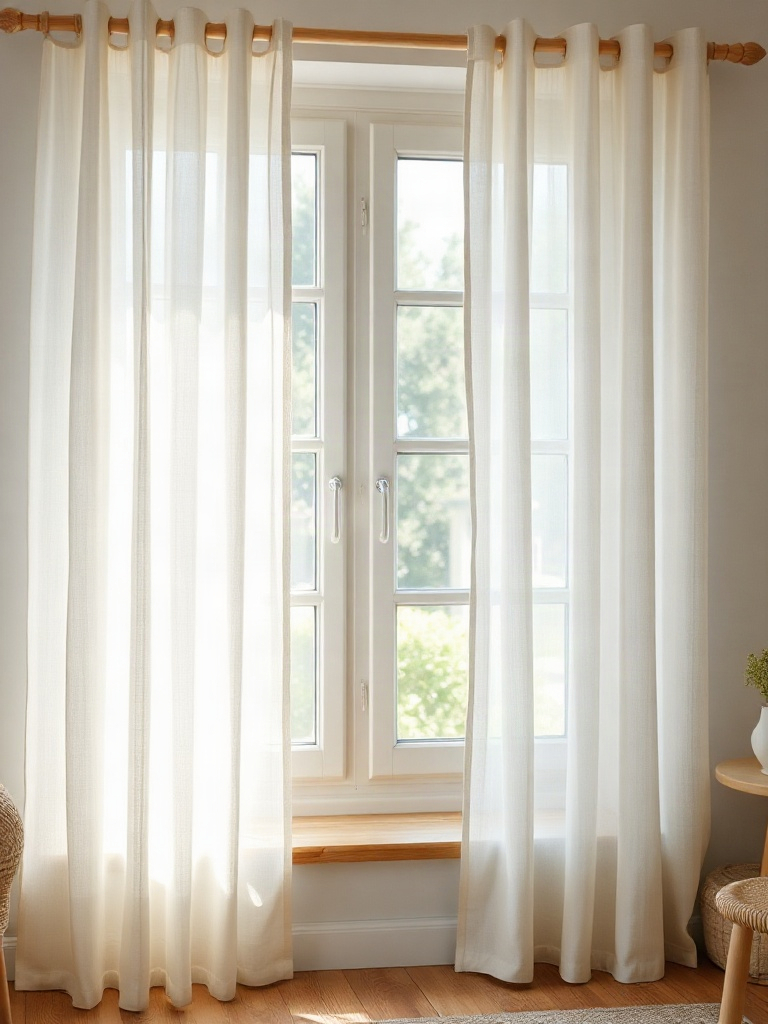
In the pursuit of creating a truly serene and functional Japandi living room, the strategic handling of natural light becomes paramount. This design ethos, marrying Scandinavian warmth with Japanese minimalism, thrives on bright, airy spaces that foster a sense of calm and connection to the outdoors. When selecting window treatments, the objective is not to obstruct but to enhance, inviting an abundance of daylight while gracefully managing privacy. Opting for coverings that are inherently simple in design, sheer in their transparency, or crafted from natural, tactile fabrics like linen, cotton, or bamboo, allows the sun’s gentle glow to permeate the space, contributing to the signature understated elegance of Japandi style. These choices reflect a deliberate intention to maintain an uncluttered visual plane and celebrate the organic beauty of light throughout the day.
To effectively implement these principles within your Japandi living room ideas, consider minimalist roller blinds in a neutral, light-filtering fabric, or delicate Roman blinds made from unbleached linen that can be easily adjusted to control illumination. For a softer aesthetic, sheer drapes in light-colored cotton voile or a subtle blend can add a layer of texture without sacrificing precious daylight. The key lies in selecting materials that possess an organic feel and a muted palette, harmonizing with the overall tranquil atmosphere. Such thoughtful window treatments ensure that your space remains bright and open, offering both the necessary privacy and an uninterrupted flow of natural light, which is fundamental to cultivating the peaceful, balanced environment emblematic of exceptional Japandi living room ideas. This approach not only elevates the aesthetic but also enhances the functionality and well-being derived from a beautifully lit home.
Flooring Choices: Wood, Concrete, or Rugs
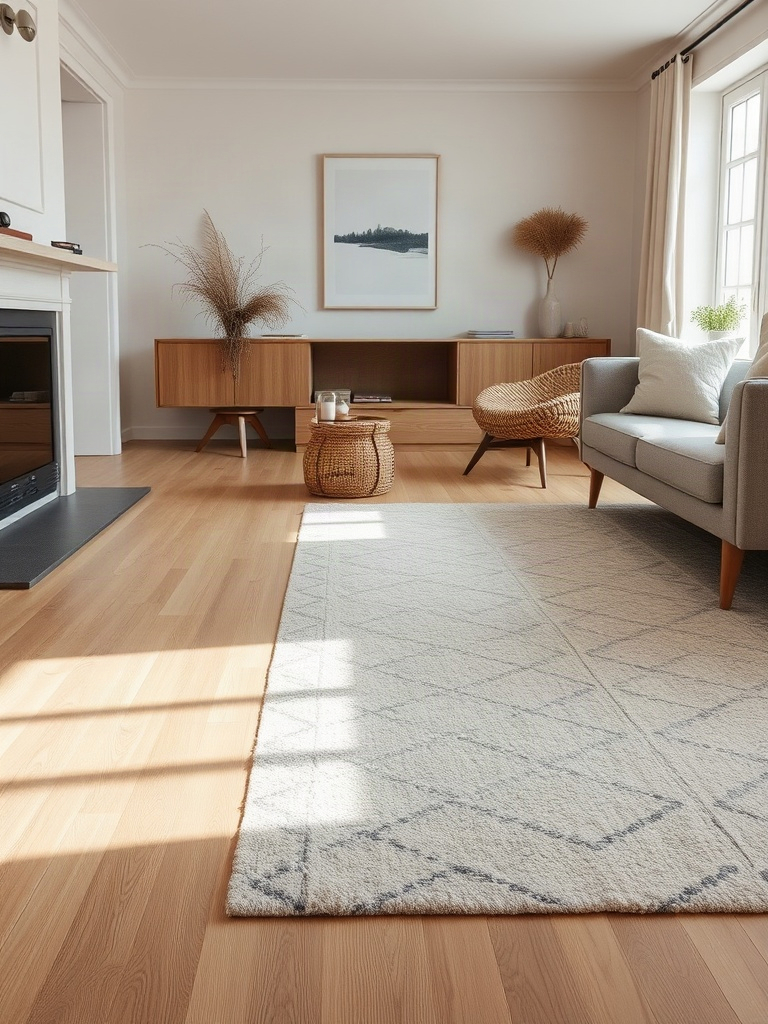
Selecting the right flooring is pivotal in crafting the serene and functional aesthetic central to Japandi design. For your Japandi living room, the choices typically gravitate towards materials that embody natural beauty, durability, and a sense of calm. Hardwood floors, particularly in lighter shades like white oak, ash, or birch, are a quintessential choice, offering unparalleled warmth, an organic connection to nature, and timeless elegance. Their natural grain patterns introduce subtle texture and depth without overwhelming the minimalist sensibility. Alternatively, polished concrete offers a striking contrast, injecting a touch of industrial chic and sleek modernity. Its cool, understated presence provides a robust foundation, perfectly aligning with the minimalist and functional aspects of Japandi, while also offering exceptional durability and ease of maintenance. The key is to select a material that not only withstands daily life but also enhances the tranquil atmosphere of your Japandi Living Room Ideas.
To implement these choices effectively within your Japandi Living Room Ideas, consider the overall balance. If opting for the inherent warmth of light-toned hardwood, ensure the finish is matte or satin to retain a natural, understated look. Wide plank flooring can further enhance the feeling of spaciousness and simplicity. For those leaning towards polished concrete, balance its inherent coolness with warmer elements through furniture crafted from natural wood, soft textiles, and strategically placed rugs. Rugs, whether you choose wood or concrete as your primary flooring, are invaluable for defining zones, adding a layer of comfort, and introducing texture. Opt for natural fiber rugs made from wool, jute, or sisal in muted, earthy tones or subtle patterns. These additions soften the space, absorb sound, and contribute to the inviting yet uncluttered ambiance that defines a truly exceptional Japandi living room, ensuring both beauty and enduring functionality.
Statement Coffee Tables
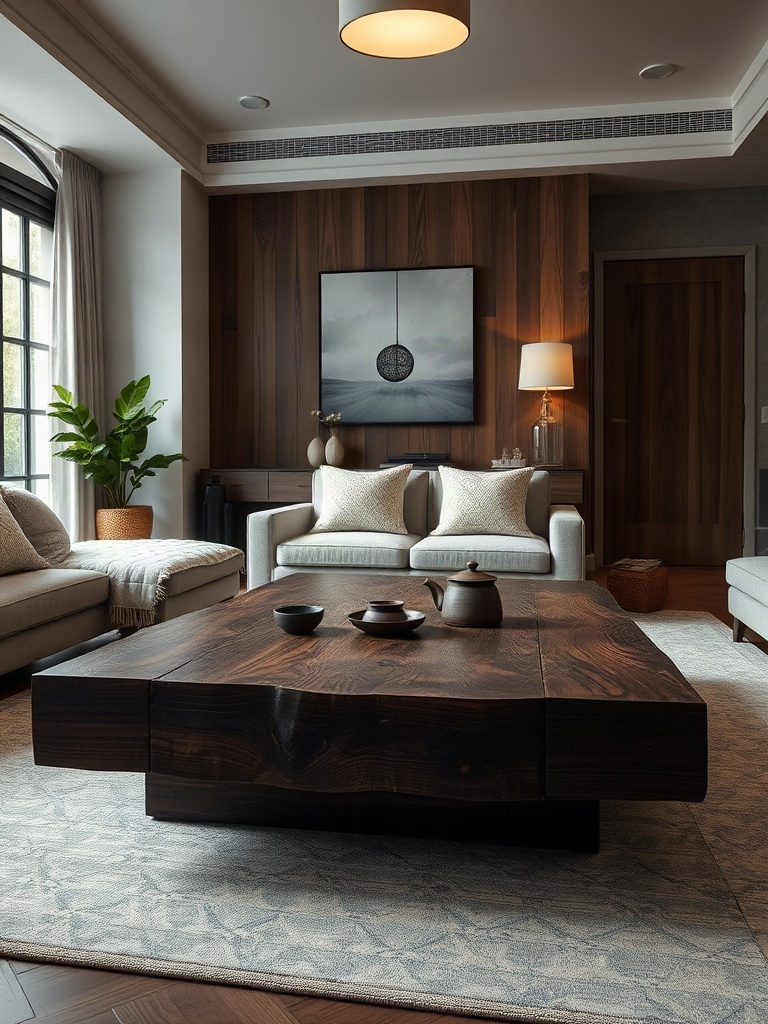
In the realm of Japandi design, where every element is chosen with purpose and reverence for both form and function, the coffee table transcends its utilitarian role to become a true statement piece. Far more than just a surface for beverages or books, a carefully selected coffee table serves as the anchor of your living room, grounding the entire seating arrangement and acting as a compelling focal point. Imagine a substantial, low-slung piece crafted from a single slab of reclaimed oak, its natural grain telling a story of time and resilience, or a monolithic concrete table whose raw, unpolished texture evokes a sense of serene permanence. These are not mere furniture items; they are sculptural installations that command attention while maintaining the quiet elegance inherent to Japandi aesthetics. They provide visual weight, drawing the eye and establishing a sense of stability and sophisticated simplicity within the space, influencing the room’s overall character with their understated grandeur.
When curating your Japandi living room, selecting a statement coffee table means embracing materials and designs that resonate with both Scandinavian functionality and Japanese wabi-sabi philosophy. Look for pieces that exhibit natural beauty and honest craftsmanship. Consider solid wood tables with clean lines but perhaps a unique, organic edge, or those crafted from dark, rich walnut that introduce a grounding warmth. For a touch of modern minimalism, a concrete or dark stone table can offer a striking contrast while maintaining a neutral palette, embodying durability and an industrial-chic sensibility that pairs beautifully with soft textiles. Nesting coffee tables, with their inherent versatility and ability to adapt to varying needs, are also an excellent choice for Japandi Living Room Ideas, offering both visual interest and practical flexibility without sacrificing an uncluttered feel. The key is to choose a table that not only complements your existing decor but also elevates it, serving as a testament to thoughtful design and functional artistry.
Craftsmanship & Hand-Finished Details
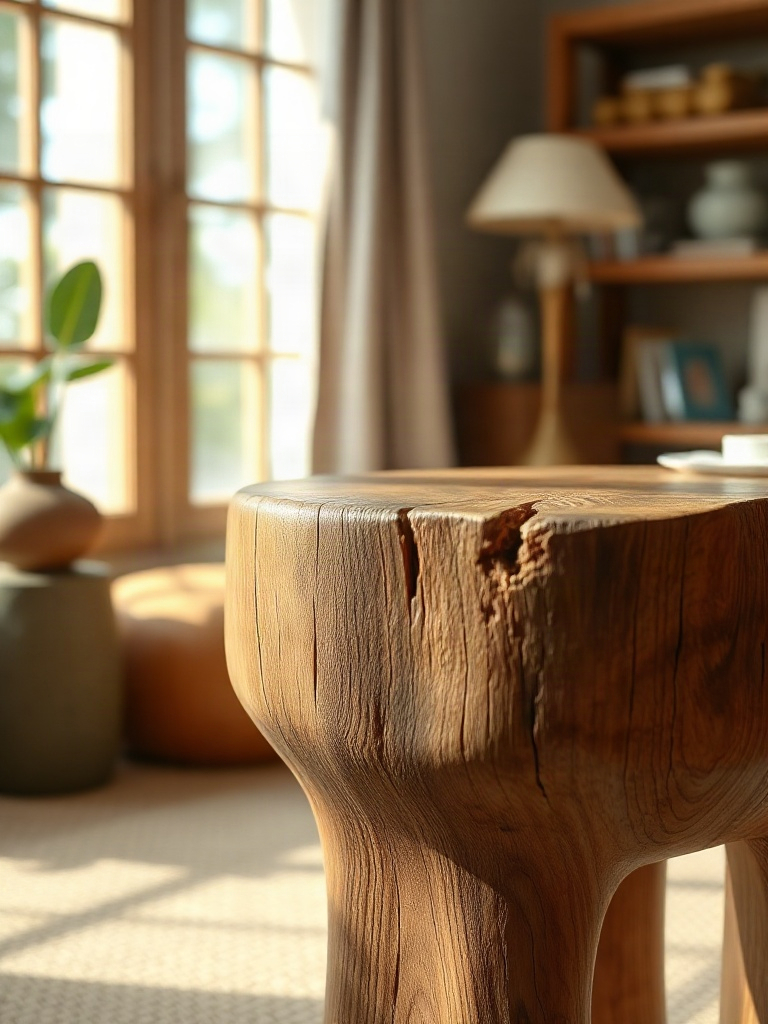
In the pursuit of truly serene and stylish Japandi Living Room Ideas, the deliberate inclusion of craftsmanship and hand-finished details becomes paramount. This aesthetic cherishes the beauty of imperfection, a core tenet of Wabi-Sabi, seamlessly blending with Scandinavian reverence for quality and artisanal skill. Rather than seeking flawless, mass-produced items, the focus shifts to pieces that visibly bear the mark of human hands and natural processes. Imagine a ceramic vase with a subtly uneven glaze, revealing the potter’s touch, or a solid wood console table where the unique grain and knots tell a story of its origin. These elements introduce a soulful depth and authenticity, creating a living space that feels curated, lived-in, and deeply personal, far removed from the sterile perfection often found in contemporary design.
To infuse your Japandi Living Room Ideas with this essential character, prioritize items that celebrate natural textures and honest materials. Seek out furniture crafted from sustainable woods, where the joinery is a visible design feature, or textiles like hand-loomed linen and organic cotton throws that offer a rich, tactile experience. Consider lighting fixtures with hand-blown glass or subtly hammered metal details, casting a soft, inviting glow. Even smaller decorative accents, such as a hand-carved wooden bowl or a stoneware planter with an earthy, unrefined finish, contribute significantly. Each chosen piece should resonate with a sense of purpose and history, transforming your living room into a sanctuary where functionality meets artistry, and every imperfection is celebrated as a testament to its unique beauty and the skilled hands that brought it to life.
Creating a Cozy Reading Nook
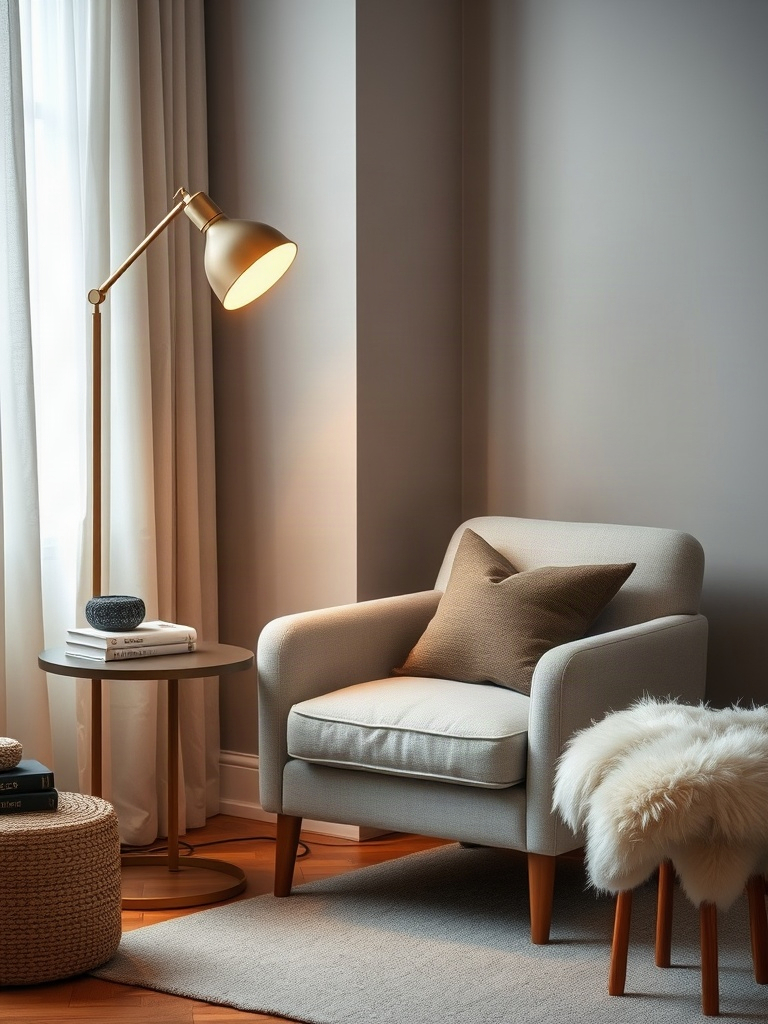
Within the serene landscape of your Japandi living space, carving out a dedicated cozy reading nook offers a perfect sanctuary for quiet contemplation and literary escape. Imagine a sun-drenched corner or a softly lit alcove, designed with intentional simplicity and unparalleled comfort. The foundation of this inviting retreat begins with a supremely comfortable seating option – perhaps a low-slung armchair upholstered in a natural linen or a generously sized floor cushion layered with tactile throws and pillows in muted, earthy tones. Adjacent to this, a minimalist side table, crafted from light oak or a smooth ceramic, stands ready to hold a warm cup of herbal tea and a cherished book. Ambient lighting, perhaps from a sculptural floor lamp or a delicate paper lantern, casts a soft, diffused glow, encouraging relaxation and focus. The overall impression should be one of understated luxury and profound tranquility, a personal haven designed for unwinding.
To seamlessly integrate this reading nook into your broader Japandi Living Room Ideas, maintain a cohesive aesthetic that champions natural materials, clean lines, and a minimalist ethos. Opt for furniture pieces that reflect both Scandinavian warmth and Japanese elegance – think solid wood frames, woven textures, and organic shapes. Avoid clutter; every item within the nook should serve a purpose or evoke a sense of calm. Introduce a touch of biophilic design with a single, elegant houseplant, such as a snake plant or a small bonsai, placed on the side table or a nearby low shelf, bringing a gentle connection to nature. The color palette should remain consistent with your existing Japandi Living Room Ideas, focusing on neutrals, soft grays, and muted greens, ensuring the nook feels like an integral, harmonious extension of the larger living area, rather than an isolated addition. This thoughtful design approach ensures your reading nook is not just functional, but a beautiful testament to the Japandi principles of mindful living.
Incorporating Muted Accent Colors
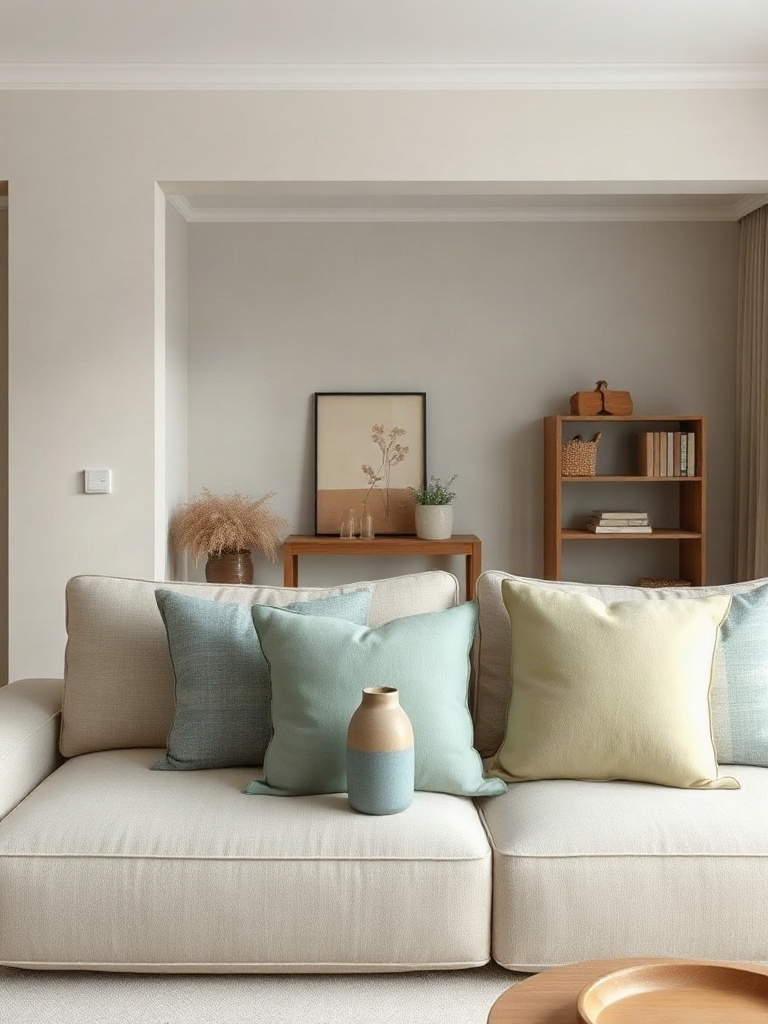
While the essence of Japandi design champions serene minimalism and the understated beauty of natural materials, a common pitfall to avoid is allowing a space to feel overly stark or devoid of personality. To enrich the tranquil foundation of your environment and prevent any hint of sterility, the judicious incorporation of muted accent colors is a sophisticated strategy. Envision the subtle embrace of a dusty sage green, reminiscent of ancient moss or a quiet forest, or the calming depth of a muted indigo blue, evoking a peaceful twilight sky. Even the earthy, grounding warmth of a soft terracotta can introduce an organic vitality, echoing sun-baked clay or natural pigments, all without disrupting the overarching sense of calm. These carefully selected hues are not merely decorative; they serve to infuse your Japandi living room ideas with a quiet, vibrant energy, fostering an atmosphere that is both invitingly comfortable and profoundly serene.
Implementing these nuanced shades within your Japandi living room ideas requires a thoughtful and deliberate approach, always prioritizing quality and restraint. Consider introducing a luxurious throw blanket or a pair of plush cushions in a muted olive or a soft, faded denim blue, instantly adding tactile comfort and a whisper of color to your minimalist seating arrangement. Hand-thrown ceramic vessels or artisanal stoneware bowls, perhaps in a matte finish of a soft clay tone or a subtle celadon, can serve as exquisite, understated focal points on a reclaimed wood coffee table or a minimalist shelving unit. Even a carefully chosen piece of abstract art, featuring a touch of muted rust or an earthy indigo, can anchor a wall without overwhelming the space. The objective is to sprinkle these colors sparingly, allowing them to complement the dominant neutral palette rather than compete, enhancing the overall balance, harmony, and functional beauty intrinsic to the Japandi aesthetic.
The Beauty of Negative Space
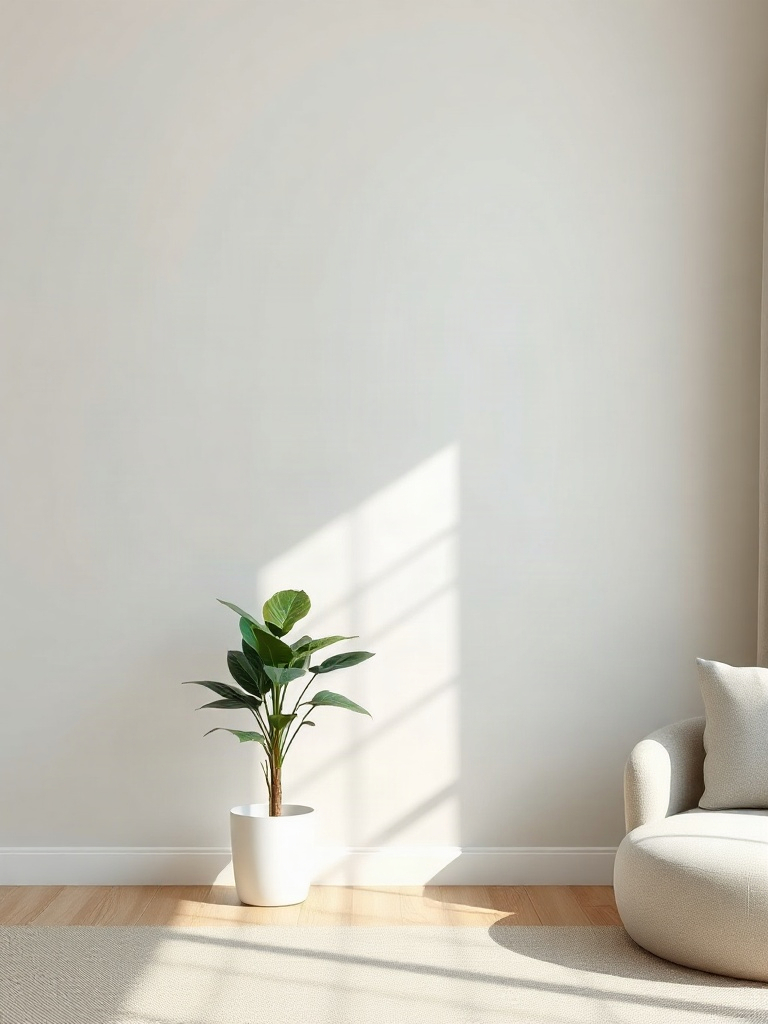
In the realm of Japandi design, where the minimalist aesthetics of Japanese tradition meet the cozy functionality of Scandinavian style, the concept of negative space isn’t merely the absence of objects; it’s a powerful design element in itself. Often overlooked, this ’empty’ space is crucial for fostering a profound sense of calm, visual balance, and mental clarity within a living environment. Far from being a void to be filled, negative space acts as a visual pause, allowing the eye to rest and appreciate the beauty of the carefully curated pieces that do occupy the room. It creates a breathable quality, preventing clutter and overwhelming sensory input, which is fundamental to achieving the serene and uncluttered sanctuary characteristic of truly authentic Japandi Living Room Ideas.
To harness the beauty of negative space in your Japandi living room, begin by consciously resisting the urge to over-furnish or over-decorate. Instead, embrace restraint. Consider leaving large expanses of walls unadorned, allowing their texture or subtle color to speak volumes. When arranging furniture, ensure there’s ample room around each piece, giving sofas, chairs, and tables their own ‘breathing room’ rather than pushing them against every wall. For instance, a single, beautifully crafted ceramic vase on an otherwise empty console table, or a low-slung sofa positioned centrally with clear floor space around it, exemplifies this principle. This deliberate utilization of empty areas not only highlights the exquisite craftsmanship of your chosen pieces but also cultivates an atmosphere of spaciousness and tranquility, transforming your Japandi Living Room Ideas into a peaceful retreat where every element, including the air itself, contributes to the overall harmony.
Sustainable & Eco-Conscious Choices
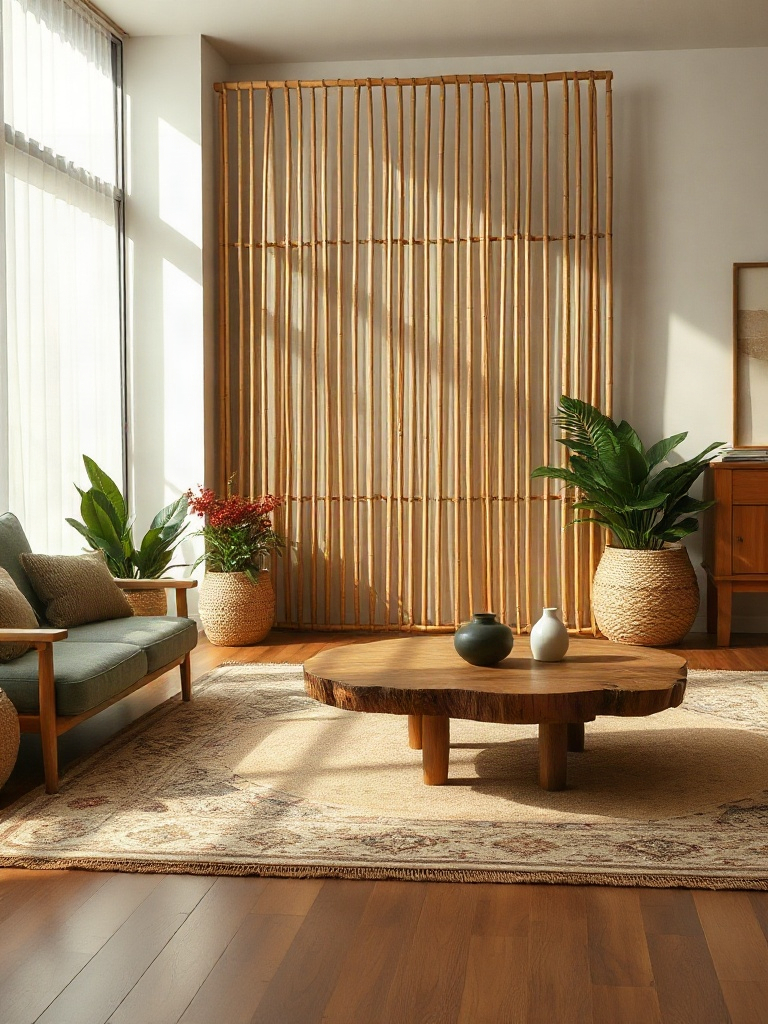
Embracing sustainability is not just a trend but a foundational principle deeply woven into the fabric of Japandi design, reflecting a profound respect for nature and a commitment to mindful living. This ethos encourages us to select pieces that tell a story of ethical production, minimal environmental impact, and enduring quality, ensuring your living space is as kind to the planet as it is beautiful. Opting for eco-conscious choices means investing in furniture and decor crafted from renewable resources, recycled materials, or items with a minimal carbon footprint, aligning perfectly with Japandi’s serene aesthetic and its emphasis on natural elements. It’s about creating a harmonious environment that not only looks good but also feels good, knowing that every item contributes to a healthier planet.
To integrate sustainable and eco-conscious choices into your Japandi Living Room Ideas, begin by prioritizing furniture made from natural, rapidly renewable, or recycled materials. Consider a coffee table crafted from reclaimed wood, a sofa upholstered in organic cotton or linen, or accent chairs made from bamboo or rattan. Look for certifications that guarantee responsible sourcing and production. For decor, choose handcrafted ceramics, artisanal textiles dyed with natural pigments, or lighting fixtures made from recycled glass or paper. Even smaller details like throw blankets woven from recycled wool or cushions filled with natural kapok can make a significant difference. By consciously selecting items that embody both minimalist elegance and environmental responsibility, you cultivate a Japandi living room that is truly serene, stylish, and deeply functional, reflecting a sophisticated commitment to both aesthetics and ethics.
Fireplace Integration in Japandi Style
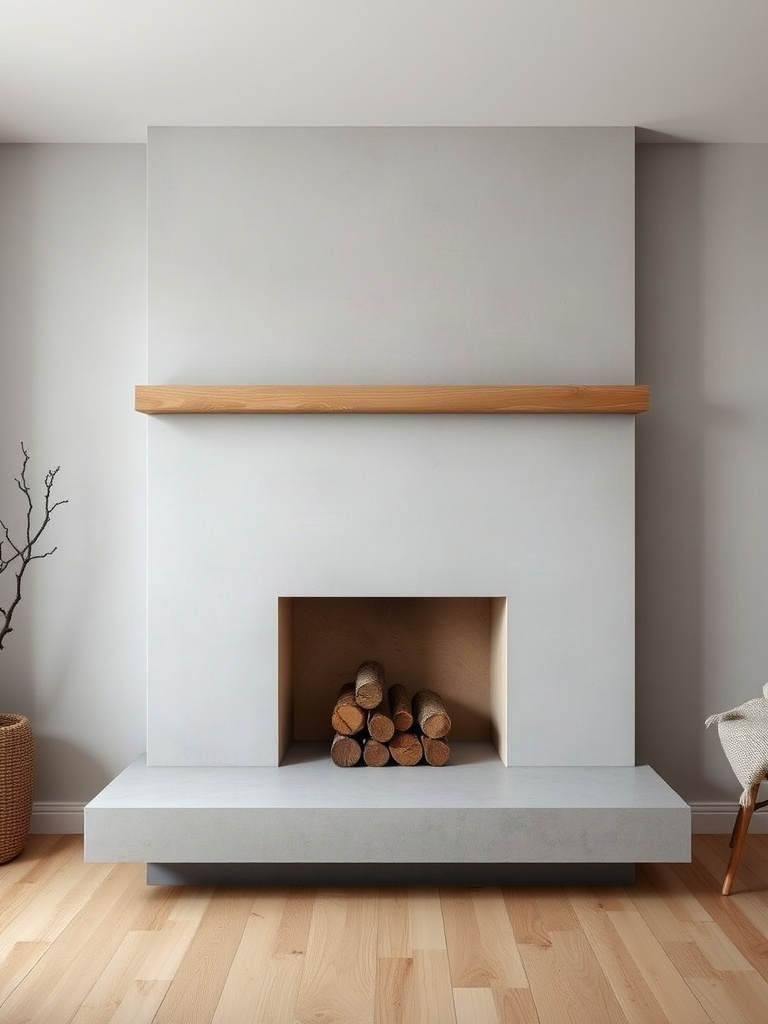
Integrating a fireplace into a Japandi living room is an exercise in refined subtlety, where the element of warmth becomes a seamless, architectural feature rather than a dominant focal point. The essence lies in designing a minimalist hearth that speaks to both Japanese tranquility and Scandinavian functionality, providing comfort without introducing visual clutter. Imagine a fireplace clad in natural, unadorned materials such as smooth concrete, light-toned plaster, or finely sanded blonde wood, extending from floor to ceiling with clean, uninterrupted lines. This approach often involves a flush or slightly recessed installation, eliminating the traditional ornate mantelpiece in favor of a sleek, integrated hearth that might double as a low bench or display surface for a single, carefully chosen ceramic piece. The goal is to craft a space where the fireplace provides genuine warmth and a soft glow, yet its presence is understated, contributing to the room’s overall sense of calm and expansive serenity.
To implement this vision within your Japandi Living Room Ideas, consider a modern gas fireplace with a simple, frameless glass front, allowing the flame itself to be the primary visual interest. For material selection, a large format, light grey concrete slab or a textured plaster finish around the firebox can echo a natural, earthy aesthetic while maintaining a crisp, contemporary edge. Alternatively, a built-in ethanol fireplace integrated into a custom cabinetry unit crafted from light oak or ash further exemplifies the Japandi commitment to hidden functionality and minimalist design. Ensure any accompanying elements, such as log storage or fire tools, are either neatly concealed or chosen for their sculptural simplicity, becoming part of the aesthetic rather than an afterthought. This thoughtful integration ensures the fireplace enhances the peaceful, uncluttered atmosphere, affirming its role as a source of quiet comfort in your exquisitely designed Japandi sanctuary.
Open-Concept Flow & Zoning
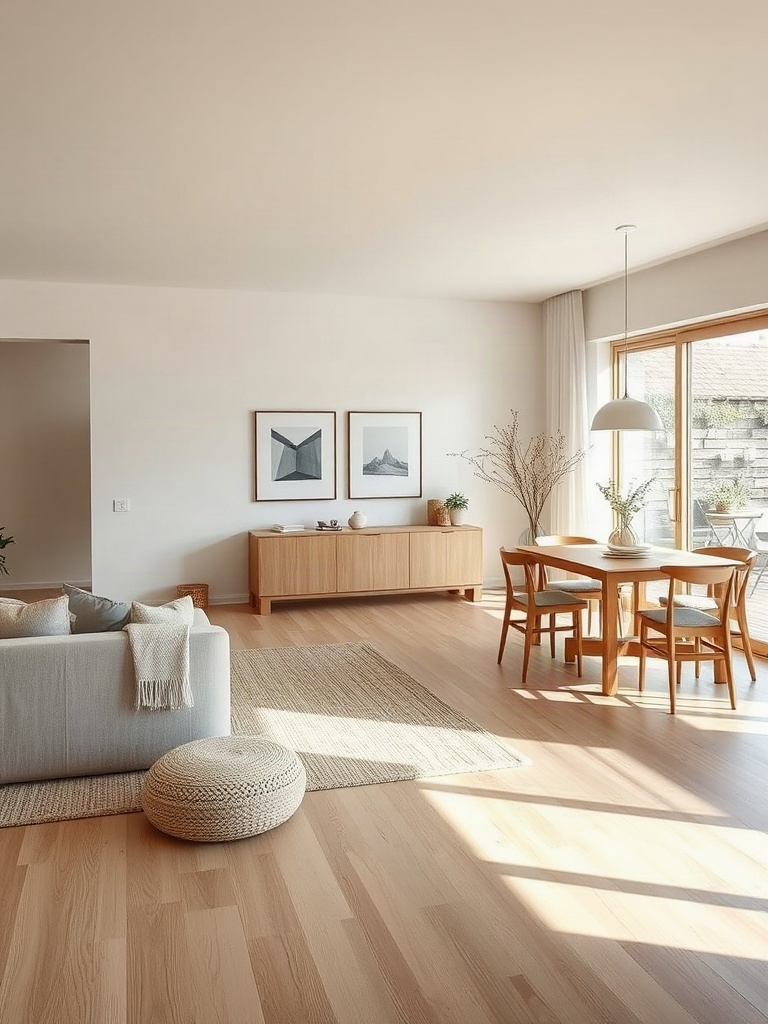
In expansive open-concept living spaces, the challenge lies in fostering distinct functional zones without sacrificing the inherent airiness and unified aesthetic. The art of effective zoning transforms a large, undifferentiated area into a series of purposeful pockets – a cozy reading nook, a vibrant conversation area, a dedicated media zone – all while maintaining a seamless visual dialogue. This intricate balance ensures that each segment serves its unique purpose efficiently, contributing to a holistic and well-organized environment that feels both spacious and intimately scaled. The goal is to delineate without dividing, inviting exploration while providing clear cues for activity, ultimately enhancing the overall utility and comfort of the home.
For those embracing Japandi Living Room Ideas, this concept of fluid zoning is particularly harmonious, aligning perfectly with the style’s emphasis on intentionality and uncluttered living. Leverage the minimalist ethos and clean lines of Japandi design to define areas subtly yet effectively. A low-profile sectional sofa, for instance, can anchor the main lounging zone, while a strategically placed, natural fiber rug – perhaps a hand-knotted wool or textured jute – beneath it instantly delineates its boundaries. Further define a reading corner with a single, elegant lounge chair and a slender floor lamp, subtly separated by a low, minimalist console table or even a delicate slatted screen that allows light and views to pass through. The key is to select furniture with a light visual footprint and cohesive material palette, ensuring that each zone within your Japandi Living Room Ideas contributes to a serene, stylish, and supremely functional whole, enhancing both flow and purpose.
Entryway Transition to Your Japandi Living Room
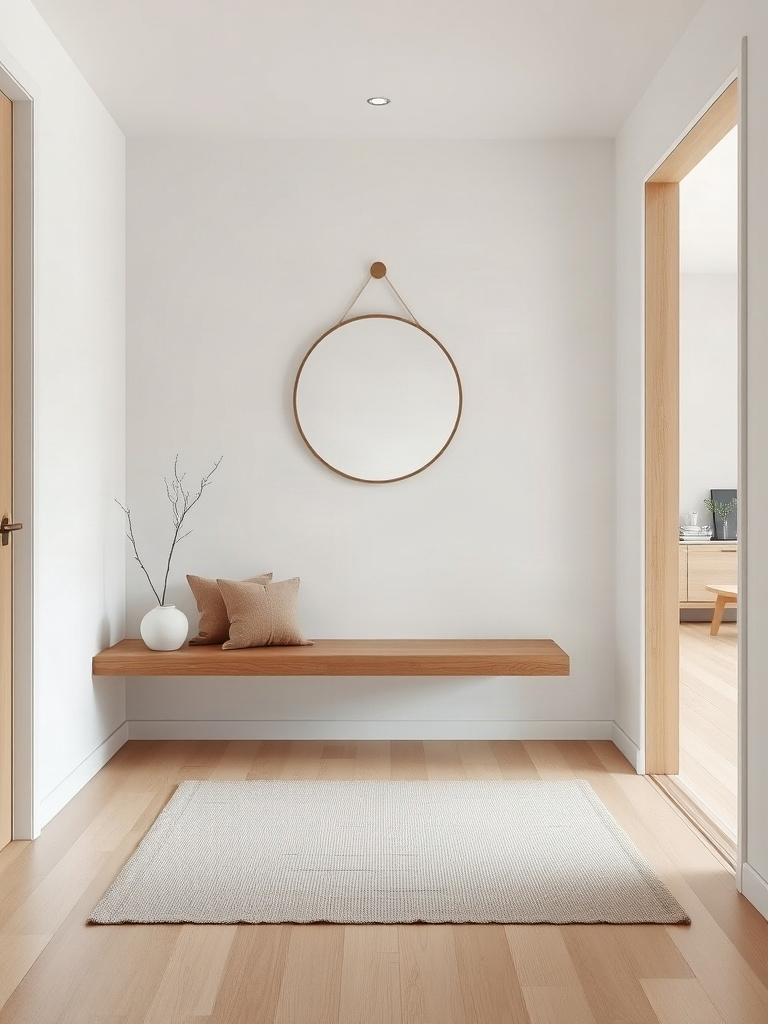
The entryway serves as the crucial prelude to your home’s narrative, and for a Japandi space, it’s an opportunity to set a tone of immediate tranquility and understated elegance. Far more than just a functional threshold, this transition zone should act as a seamless, decluttered conduit, guiding residents and guests alike from the bustling outside world into the serene embrace of your Japandi living room. Imagine a space where every element is thoughtfully curated, reflecting the core principles of minimalism and natural harmony. This initial impression is paramount, establishing expectations for the calming, functional aesthetic that defines the heart of your home, and ensuring that the journey into your sanctuary is as peaceful as the destination itself. It’s about creating an inviting, yet unobtrusive, visual and sensory experience that whispers ‘welcome home’ in the most refined Japandi manner.
To achieve this flawless transition, focus on strategic minimalism and purposeful design within your entryway. Incorporate discreet, integrated storage solutions – think a sleek, low-profile console table or a built-in bench with hidden compartments for shoes and outerwear, maintaining a pristine surface. Embrace natural materials such as light-toned wood, bamboo, or even a woven jute runner that subtly extends the palette found within your Japandi Living Room Ideas. Soft, ambient lighting, perhaps from a simple globe pendant or a strategically placed sconce, will enhance the serene atmosphere without overwhelming the space. A single, sculptural piece of pottery or a small, resilient plant can provide a touch of organic beauty without introducing clutter. By meticulously curating this transitional space, you not only optimize functionality but also reinforce the overarching calm and sophisticated aesthetic that defines exceptional Japandi design.
Smart Solutions for Small Japandi Living Rooms
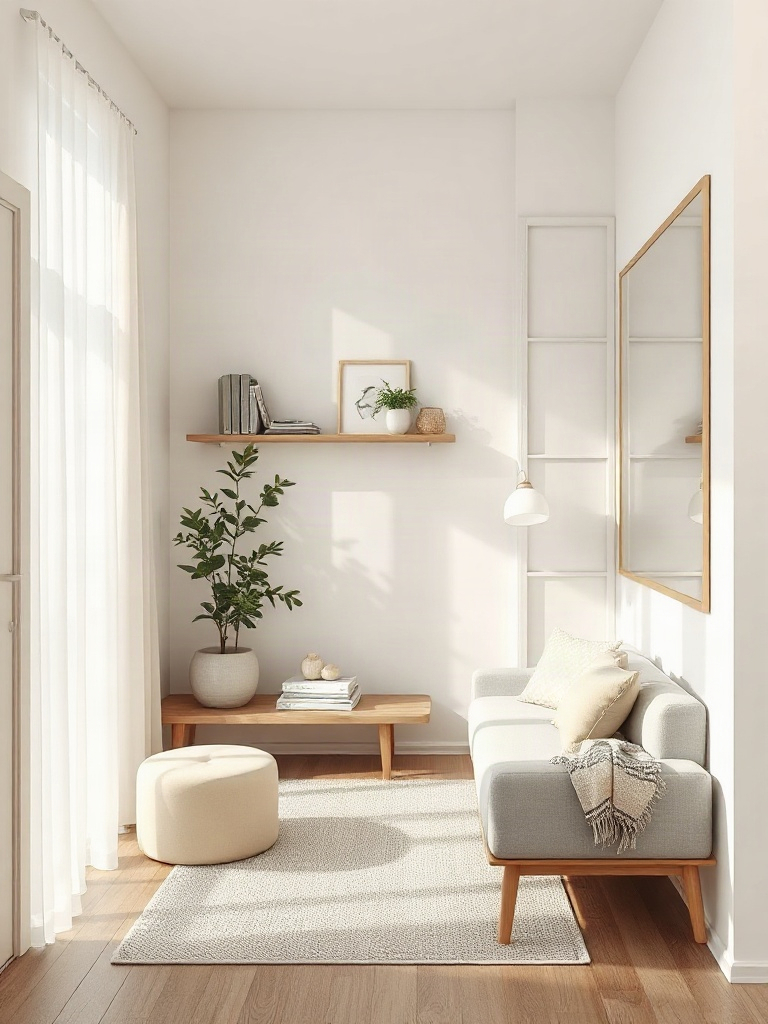
Navigating the design of a compact living space presents a unique opportunity to truly embrace the core tenets of Japandi style. Far from being a limitation, a smaller footprint allows for a heightened focus on intentionality, functionality, and the creation of an exceptionally serene atmosphere. The inherent minimalism of Japandi, combined with its emphasis on natural light and uncluttered surfaces, makes it an unparalleled choice for maximizing space and fostering an airy feel. Smart solutions for small Japandi living rooms revolve around a mindful selection of elements that contribute to both aesthetic appeal and practical utility, ensuring every inch serves a purpose without sacrificing the coveted tranquility. It’s about crafting a sanctuary where simplicity reigns, and every carefully chosen piece enhances the overall sense of openness.
To effectively implement these smart solutions within your “Japandi Living Room Ideas” for a compact area, begin by prioritizing a light and neutral color palette. Walls adorned in soft whites, creams, or pale grays will visually expand the room, reflecting light beautifully. Opt for low-profile, streamlined furniture with clean lines, such as a minimalist sofa or a floating media console, to prevent the space from feeling overwhelmed. Multi-functional pieces, like ottomans with hidden storage or nesting tables, are indispensable for maintaining order and versatility. Embrace natural light by keeping window treatments minimal, perhaps with sheer linen curtains, and strategically place mirrors to amplify brightness and create an illusion of depth. Vertical space is a precious commodity; utilize it with wall-mounted shelving or built-in units that offer storage without encroaching on floor area. Each design choice should echo the Japandi philosophy of ‘less is more,’ culminating in a small living room that feels both expansive and profoundly peaceful.
Achieving a Balanced & Harmonious Japandi Living Room
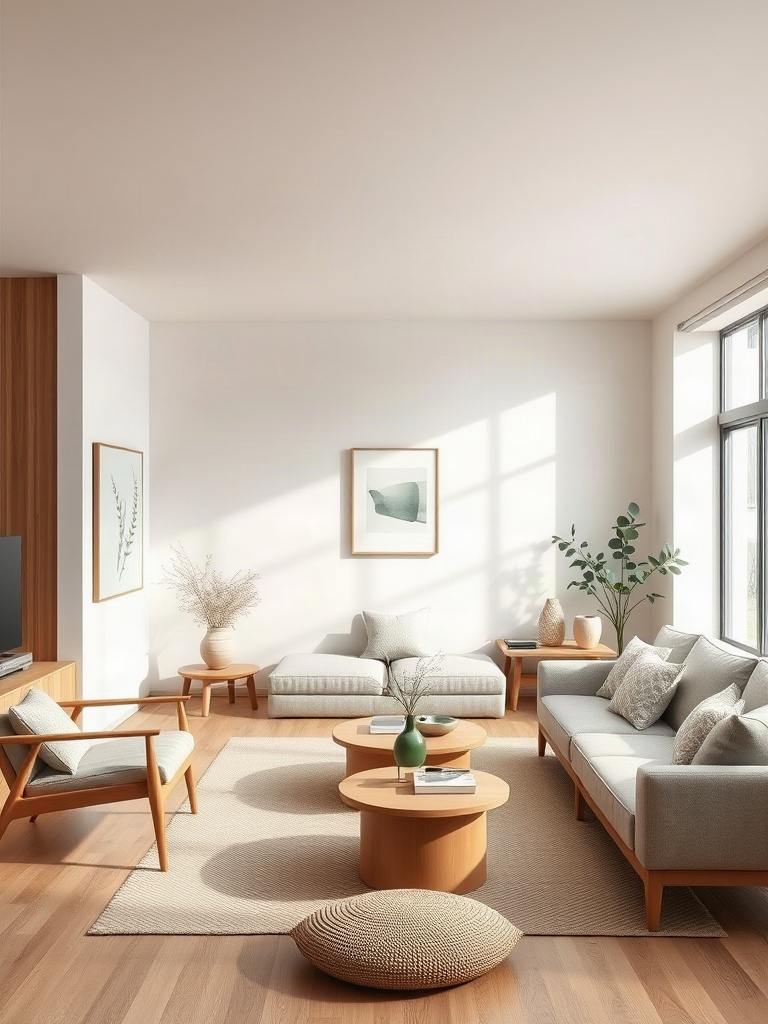
Achieving a truly harmonious Japandi living room transcends mere aesthetic choices; it’s about cultivating a sanctuary where every element contributes to a serene yet stylish whole. The essence lies in a meticulously curated balance: the sleek lines and mindful minimalism of Japanese design gracefully intertwining with the cozy comfort and natural textures characteristic of Scandinavian aesthetics. This delicate equilibrium is forged by prioritizing quality over quantity, embracing natural materials like light woods, rattan, linen, and ceramic, and adhering to a soothing, neutral color palette punctuated by thoughtful, earthy accents. It’s a space where functionality dictates form, where decluttering is an art, and where each piece, from a hand-thrown ceramic vase to a perfectly proportioned sofa, serves a purpose while exuding understated elegance. The goal is to create an environment that feels intrinsically calm, inviting, and utterly authentic, reflecting a mindful approach to living.
To implement these principles effectively within your own Japandi Living Room Ideas, begin by ruthless decluttering, ensuring only items that bring joy or serve a practical function remain. Invest in timeless, well-crafted furniture pieces that champion both comfort and clean design, opting for low-slung profiles that enhance a sense of spaciousness and groundedness. Introduce organic textures through textiles like wool throws, linen cushions, and woven rugs, which soften the minimalist edges and invite a tactile experience. Strategic placement of natural light-enhancing elements, along with a few carefully chosen indoor plants, will further bridge the indoor-outdoor connection inherent in Japandi design. Ultimately, a balanced Japandi living room is a deeply personal expression of tranquility and refined simplicity, where every design decision fosters a sense of peace and functional beauty, transforming your space into a haven of harmonious living.
Creating a Japandi living room is an journey towards a more mindful and aesthetically pleasing living space. By focusing on natural materials, minimalist design, functional simplicity, and a serene atmosphere, you can transform your living room into a sanctuary that reflects both Japanese tranquility and Scandinavian comfort.
We hope these 25 Japandi living room ideas have inspired you to begin your own design transformation. Remember, the key is to prioritize quality over quantity, embrace natural beauty, and cultivate a space that truly brings you peace and joy. Start incorporating these elements today and experience the serene elegance of Japandi design!