

There is something undeniably grounding about a beautiful oak dining table. It anchors a room, serving as the hardworking backdrop to our daily lives—from hurried Tuesday morning breakfasts and sprawling homework sessions to those long, wine-soaked Sunday lunches with friends. In recent years, the shift towards organic, pared-back aesthetics in UK interiors has placed the spotlight firmly on natural timbers. We are collectively craving furniture that feels tactile, authentic, and brings a sense of the outdoors into our dining spaces, moving away from high-gloss finishes and overly manufactured designs.
If you have spent any time scrolling through interior design boards lately, you will have undoubtedly paused to admire the Cox & Cox solid oak dining table. It strikes that perfect, elusive balance between rustic country farmhouse and refined Scandinavian minimalism. However, while we can all appreciate the craftsmanship of a designer original, dropping over a thousand pounds on a single piece of furniture simply isn’t a reality for every household budget. Fortunately, the British high street has taken note of this aesthetic demand, producing some truly remarkable, budget-friendly alternatives that capture that same coveted look.
The Designer Original Appeal and Why It Captured Our Attention
To understand what makes a great high-street alternative, we first need to look closely at why the original Cox & Cox piece is so highly sought after. Their signature oak dining tables are characterised by a beautifully pale, washed timber finish that feels incredibly soft and natural. Unlike the heavy, orange-toned varnished oak of the early two-thousands, this modern iteration relies on a matte, almost raw appearance. The silhouette is typically robust yet streamlined, featuring thick, sturdy legs and a substantial tabletop that suggests permanence and quality without dominating the room’s footprint.
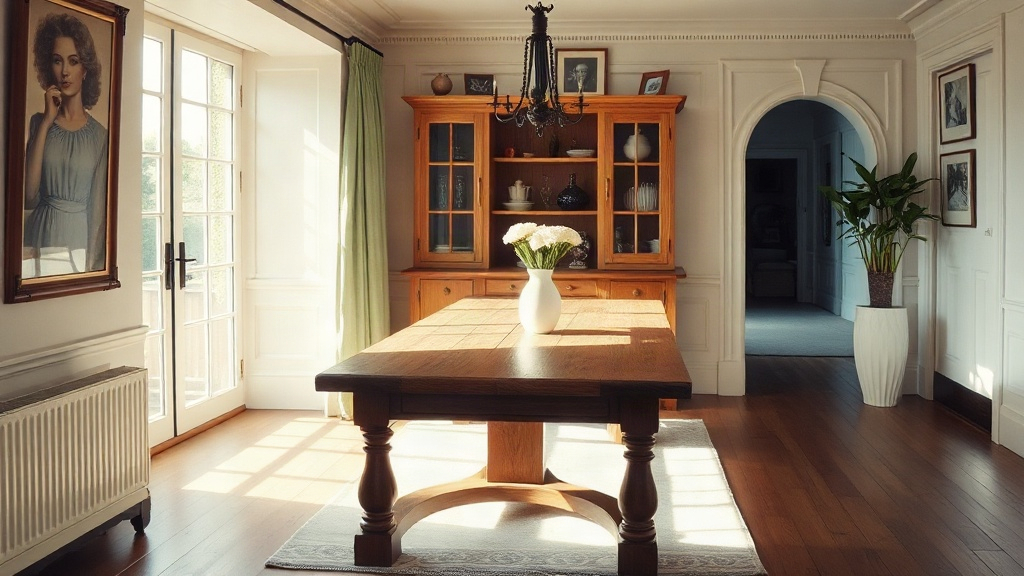
The tactile nature of these premium tables is a significant part of their charm. You can trace the natural wood grain, the subtle knots, and the organic imperfections that make each piece entirely unique. This textural richness adds immediate warmth to a dining space, softening the hard lines of modern kitchens or complementing the architectural features of a period property. It is a design that whispers rather than shouts, allowing your tableware, lighting, and dining chairs to take centre stage while it provides a quietly confident foundation for the room.
However, that level of solid wood craftsmanship comes with a premium price tag, often sitting well above the £1,200 mark. While solid oak is undeniably a lifetime investment, many of us are currently renovating entire houses, navigating the rising cost of living, or furnishing a family home where sticky fingers and accidental spills are a daily occurrence. The desire for a beautiful, design-led home remains, but we need clever, accessible ways to achieve it. This is precisely why finding a high-quality dupe is such a satisfying interior triumph.
Top Affordable High-Street Alternatives Compared
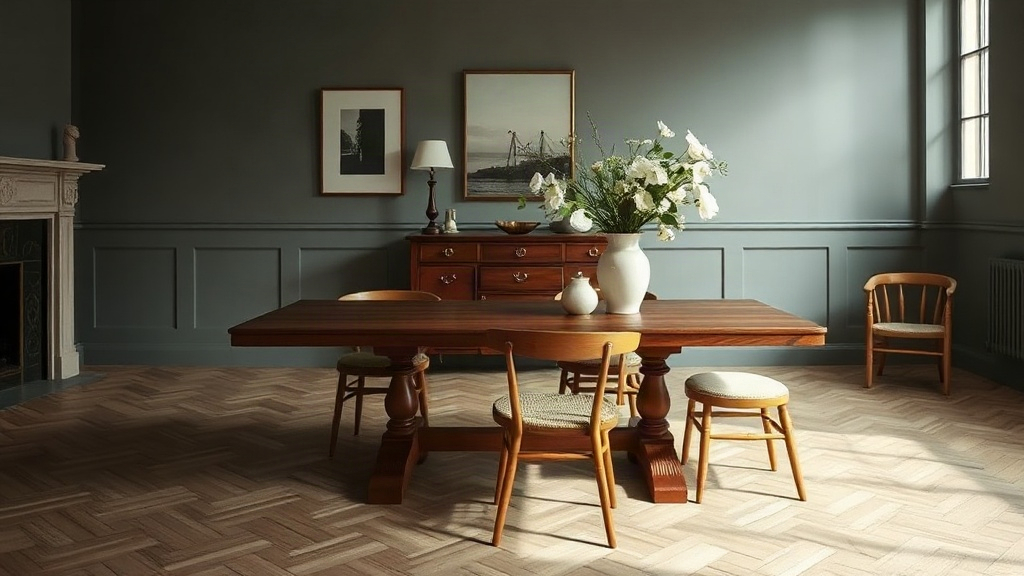
The UK high street has vastly improved its furniture offerings over the last five years, moving away from flimsy flat-pack stereotypes to produce genuinely stylish, durable pieces. When sourcing alternatives to the Cox & Cox aesthetic, the goal is to find that same pale oak finish, clean silhouette, and convincing texture. Brands like Dunelm, Next, and John Lewis have developed fantastic dining ranges that mimic this premium look, utilising smart manufacturing techniques like high-grade veneers and solid pine cores to keep costs manageable while delivering exceptional visual impact.
| Product / Style | Retailer | Est. Price £ | Key Highlight |
|---|---|---|---|
| Original Solid Oak Table | Cox & Cox | £1,250+ | Solid natural timber, premium matte finish, heirloom quality. |
| Malvern Oak Effect Table | Next | £350 – £450 | Chunky farmhouse silhouette, highly realistic textured wood-effect foil. |
| Anton Oak Veneer Table | John Lewis | £399 – £499 | Genuine oak veneer surface, elegant tapered legs, excellent build quality. |
| Bronx Light Wood Table | Dunelm | £250 – £300 | Incredibly budget-friendly, contemporary industrial edge, easy maintenance. |
Next’s Malvern range is a brilliant starting point if you love the chunky, substantial look of the designer original. While it utilises an oak-effect finish rather than solid timber, the texture is remarkably convincing, and the pale, washed tone is spot on. It provides that heavy, grounding presence in a dining room for a fraction of the cost. Meanwhile, John Lewis offers the Anton range, which steps slightly closer to the original by using genuine oak veneers. This means you get the actual grain and feel of real wood on the surface, paired with a slightly more refined, tapered leg design that suits modern, airy spaces beautifully.
For those on a strict budget, Dunelm is consistently delivering fantastic value. Their light wood dining options often incorporate subtle industrial elements, which pairs wonderfully with the rustic oak look. The beauty of these high-street options lies in their accessibility; you can achieve the Scandinavian-inspired, organic dining room you have saved on your Pinterest boards without draining your renovation fund. The key is simply knowing which finish and silhouette best matches the mood you are trying to create in your own home.
Material Quality, Finishes and Longevity Assessment
When comparing high-end original furniture with budget-friendly alternatives, the primary difference almost always lies in the materials. A solid oak table is exactly that—solid wood all the way through, meaning it can be sanded back and refinished multiple times over decades. High-street alternatives typically use oak veneer, which is a thin slice of real oak applied to a stable core like MDF, or a melamine foil wrap that mimics the look of wood. While purists may always lean towards solid timber, modern veneers have become incredibly sophisticated, offering the exact same surface texture and grain pattern as solid wood but at a significantly lower price point.
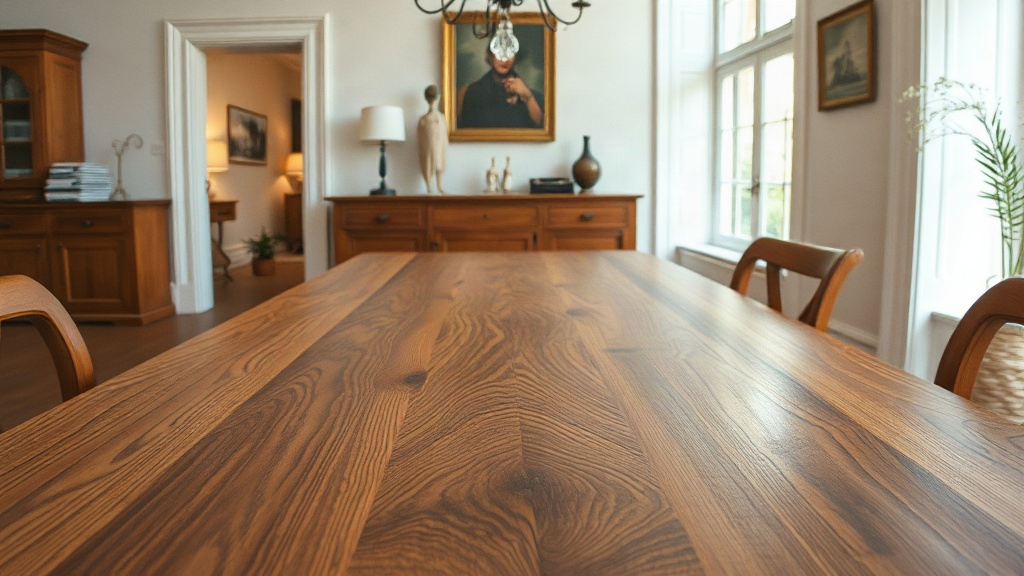
💡 Verity’s Styling Secret: When buying a veneer or wood-effect table, always inspect the edge banding. A high-quality solid wood edge profile makes a budget table look instantly more expensive, hides the join lines, and crucially protects the corners from chipping during everyday family use.
From a purely practical standpoint, budget-friendly tables often have a hidden advantage for busy households. Solid oak requires regular maintenance, including oiling to prevent the wood from drying out and immediate wiping of spills to avoid watermarks. Conversely, high-street veneer or foil-wrapped tables are usually finished with a durable, factory-applied polyurethane lacquer. This creates a highly resilient, wipe-clean surface that can withstand spilled red wine, hot coffee mugs, and children’s craft sessions much better than an untreated, porous natural wood surface.
The visual finish is where you need to be most discerning when shopping the high street. To capture the Cox & Cox aesthetic, you must actively avoid anything with a high-gloss varnish or a strong yellow-orange undertone. You are looking for descriptions like ‘washed oak’, ‘smoked timber’, or ‘blonde wood’. A matte or satin finish is absolutely essential for creating that premium, understated look. If you find a budget table with the perfect silhouette but a slightly shiny finish, a quick coat of clear matte decorator’s varnish can work wonders in toning down the sheen and making the piece look far more expensive.
Stylist Advice: How to Style Budget Pieces to Look Luxurious
The secret that interior stylists rely on is that a room’s success is rarely about a single piece of furniture; it is about the curation of the entire space. A budget-friendly dining table can look incredibly high-end if you surround it with the right textures, lighting, and accessories. The most effective way to style an affordable oak-effect table is through the power of contrast. If you buy a matching set of chairs from the same budget range, the whole dining set can look a bit flat and catalogue-like. Instead, break up the uniformity to create a bespoke, collected-over-time feel.
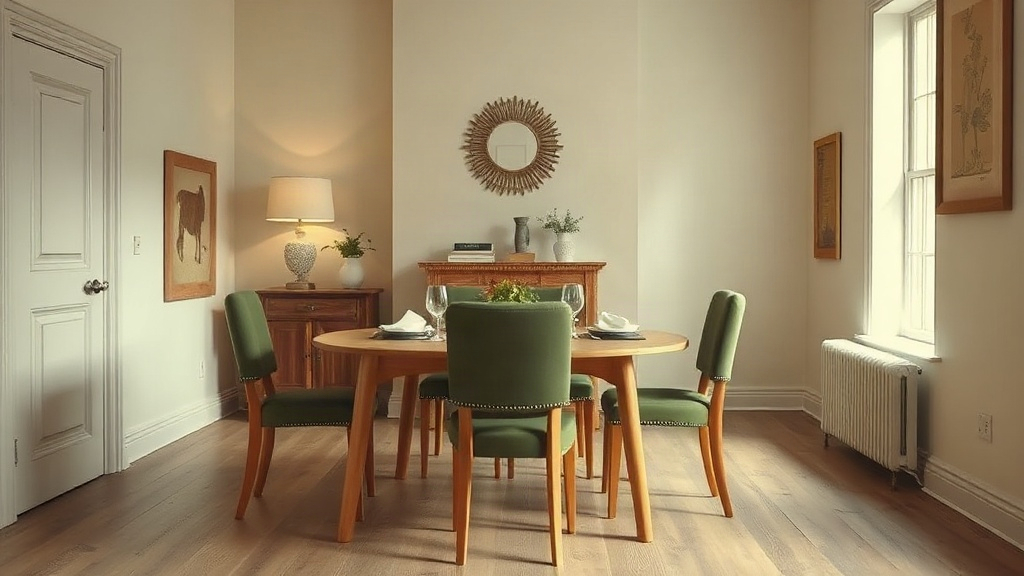
Consider pairing your pale oak table with seating that introduces a completely different material. Tactile bouclé dining chairs, vintage-style black wishbone chairs, or even a contrasting painted wooden bench can completely transform the look of a high-street table. The juxtaposition of a sleek, dark chair against the pale, rustic wood immediately draws the eye and distracts from the fact that the table isn’t a solid designer piece. Adding a large, textured jute or wool rug underneath the table also helps to anchor the space and adds another layer of organic warmth to the room.
Finally, direct your attention to the tablescape and the lighting above it. Suspending a beautifully oversized linen pendant or a modern brass chandelier centrally above the table draws the eye upwards and creates a deliberate focal point. Dress the surface of your table even when it isn’t in use. A relaxed, washed linen runner, a cluster of handmade reactive-glaze ceramic bowls, and a tall glass vase filled with structural, seasonal foliage will give your dining area that highly styled, magazine-ready finish. It is these thoughtful, layered details that make a space feel truly luxurious.
Creating a beautiful, stylish home is ultimately about how a space makes you feel, rather than the brand names attached to the furniture. By cleverly sourcing high-street pieces that capture the essence of high-end design, and styling them with intention and care, you can build a dining room that is both breathtakingly gorgeous and perfectly suited to the realities of everyday life. Happy styling, and I hope you find the perfect piece to anchor your home.
Warmly,
Verity