

Designing a nursery is one of the most emotional and exciting interior projects you can undertake, but when you are working with a traditional British box room, it brings a unique set of spatial challenges. Those charming period properties we love so much often feature notoriously compact third bedrooms, where every single square centimetre needs to work incredibly hard. Yet, these petite spaces often boast gorgeous architectural bones, from original picture rails to beautiful sash windows, providing a wonderful foundation for your baby’s first room.
Blending the heritage character of your home with contemporary, practical nursery essentials is entirely possible, and it results in a space that feels both historic and fresh. A Victorian modern aesthetic strikes that perfect balance, marrying ornate period detailing with the clean lines and functionality required for modern parenting. By carefully selecting your colour palette, sourcing clever high-street furniture, and layering tactile fabrics, you can create a gorgeous, practical sanctuary that respects the history of your home while welcoming its newest addition.
Crafting a Timeless Haven: Victorian Modern Nurseries for Small UK Homes
The beauty of the Victorian modern aesthetic lies in its ability to bridge the gap between historical reverence and contemporary living. In a small nursery, this design approach is particularly effective because it relies on curated restraint rather than overwhelming clutter. Instead of masking the period features of your compact room, we want to highlight them, using the high ceilings and original woodwork as a framework for sleek, modern nursery furniture. This contrast prevents the room from feeling like a museum while ensuring it does not look like a generic catalogue showroom.
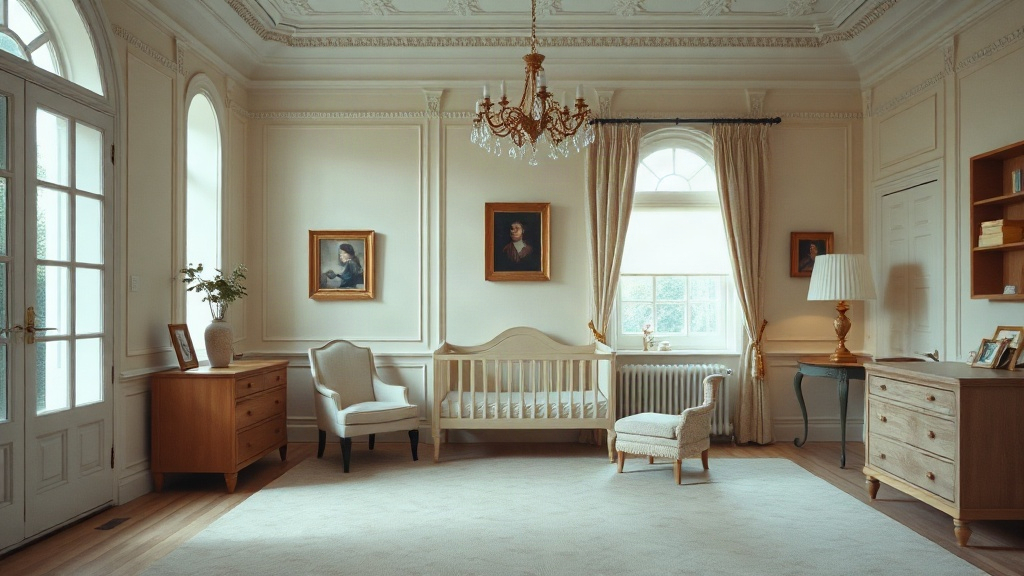
When working with a limited footprint, the key is to let the architecture breathe while introducing modern elements that serve a clear purpose. Think beautifully restored original floorboards paired with a minimalist, Scandinavian-inspired nursing chair, or a traditional cast-iron radiator sitting beneath a contemporary, clean-lined changing unit. This juxtaposition brings a quiet, sophisticated energy to the room, creating an environment that feels calm and considered for both you and your baby during those frequent night feeds.
Furthermore, adopting this blended style means the room can easily transition as your child grows. Because the foundational elements are rooted in classic design, you will not need to completely redecorate when the toddler years arrive. The modern pieces can be swapped or updated, while the Victorian bones and heritage colour schemes remain a steadfast, stylish backdrop for years to come, saving you both time, effort, and money in the long run as your family grows.
The Art of Harmonious Blending: Design Concept, Room Flow & Space Planning
Space planning in a typical Victorian box room requires a forensic approach to layout, as you are often navigating awkward alcoves, chimney breasts, and large sash windows that dictate where furniture can actually go. The first rule of nursery flow is to prioritise safety and ease of movement during those bleary-eyed night feeds. Position your cot away from direct heat sources and draughty windows, ideally placing it against a solid interior wall to create a secure, grounding focal point as soon as you open the door.
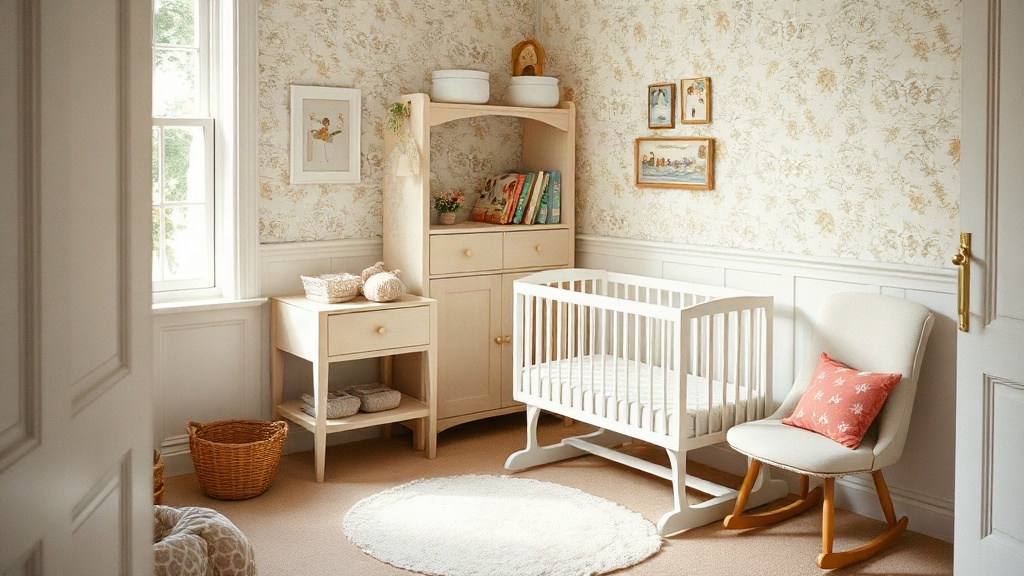
Once the cot is placed, map out your zones for changing and feeding. In a small space, multifunctional furniture is your greatest ally. A sleek, modern chest of drawers topped with a secure changing mat eliminates the need for a standalone changing table, instantly freeing up precious floor space. Utilise the vertical height that Victorian homes are famous for by installing floating shelves in the alcoves for books and display items, drawing the eye upward and making the room feel significantly larger.
| Design Element | Victorian Heritage Specification | Modern Pairing & Material |
|---|---|---|
| Wall Colour | Farrow & Ball ‘French Gray’ (Estate Emulsion) | Matte black metal accents on picture frames |
| Woodwork | Dulux Heritage ‘Green Trellis’ (Eggshell) | Pale, untreated ash or birch plywood furniture |
| Textiles | William Morris ‘Willow Bough’ linen blinds | Chunky, un-dyed organic cotton or boucle upholstery |
| Flooring | Restored original pine floorboards (Satin varnish) | Plush, geometric Berber-style wool rug |
To maintain that crucial sense of flow, keep the centre of the room as clear as possible. Avoid heavy, visually bulky pieces that block natural light from the window. Instead, opt for furniture with slender legs that allow light to pass underneath, which tricks the brain into perceiving more floor space. By carefully balancing the placement of your modern essentials within the traditional framework of the room, you achieve a harmonious layout that feels incredibly spacious and serene.
A Symphony of Shades: Color Palette, Wall Finishes & Textures
Colour is where the Victorian modern aesthetic truly comes alive, moving away from conventional pastel pinks and blues in favour of sophisticated, muddy heritage tones. For small rooms, I always recommend looking towards nature-inspired shades like muted sage greens, warm terracottas, or soft, plaster-like neutrals. These colours feel inherently traditional but look incredibly fresh when paired with contemporary furnishings. Using a flat matt finish on the walls enhances that historical feel, absorbing the light beautifully and creating a soft, cocooning atmosphere that is perfect for sleep.
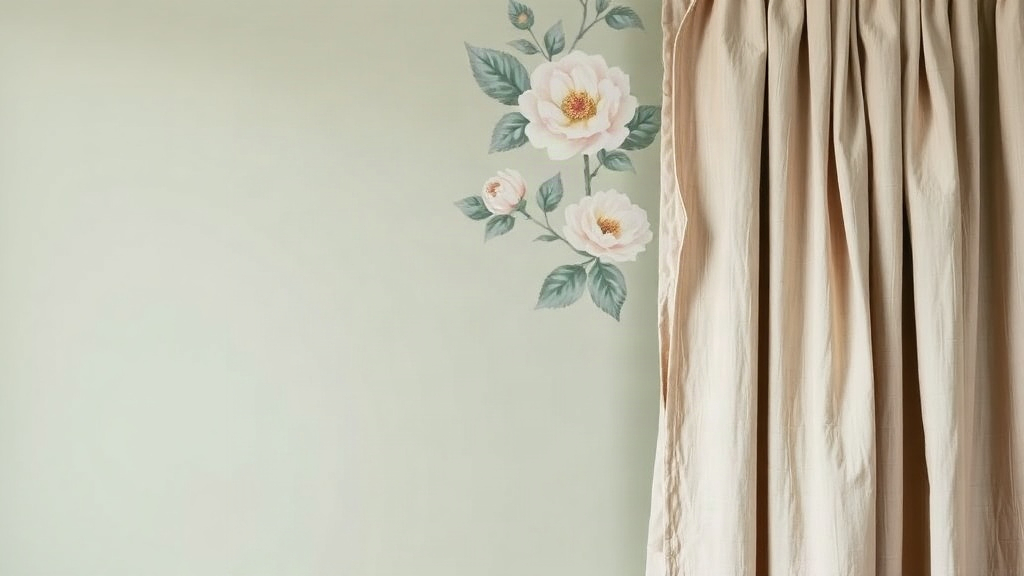
💡 Verity’s Styling Secret: When painting a small box room, try ‘colour drenching’—painting the skirting boards, picture rails, and doors the exact same shade as the walls. It blurs the boundaries of the room, tricking the eye and making a compact space feel remarkably bigger and more cohesive.
Wall treatments offer a brilliant opportunity to inject character into a plain box room. Consider installing traditional beadboard or classic panelling on the lower half of the walls, painted in a grounding, darker shade, while keeping the upper half light and airy. Alternatively, a feature wall using a modern take on a William Morris botanical print can add incredible depth and visual interest without overwhelming the small space. The key is to balance patterned or textured walls with calm, solid-coloured modern textiles.
Texture plays a vital role in softening the clean lines of modern furniture and adding organic warmth to the room. Layering tactile materials is essential; think heavy linen curtains framing the sash window, a chunky wool throw draped over the nursing chair, and a soft, tufted rug over the wooden floorboards. These sensory elements not only make the room feel incredibly cosy and comfortable for late-night cuddles, but they also acoustic-proof the space, softening echoes and creating a peaceful environment for your baby.
Curating Comfort: Essential Furniture & Practical Sourcing
Sourcing the right furniture for a small nursery is all about finding pieces that offer maximum functionality without compromising on your desired aesthetic. The British high street is currently fantastic for this, offering a brilliant selection of options that blend traditional silhouettes with modern practicality. When selecting a cot, look for designs that feature subtle nods to the past—perhaps a gently curved spindle design or a warm walnut finish—but keep the overall shape streamlined and compact to suit the proportions of a smaller room.
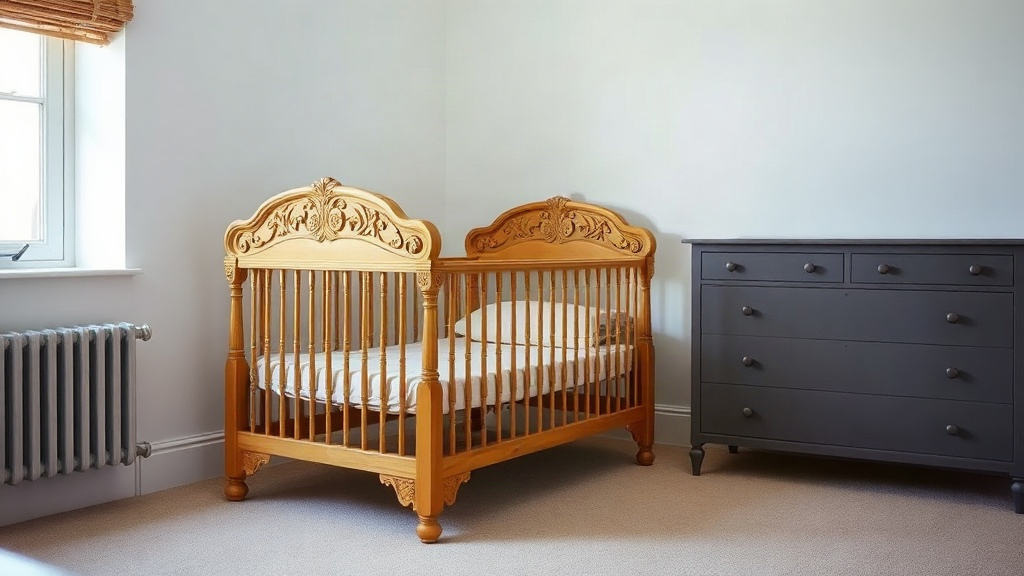
Retailers like John Lewis and Mamas & Papas are brilliant for reliable, beautifully designed cots that meet all modern safety standards while offering that heritage feel. For storage, Dunelm and Next Home provide excellent, slimline chests of drawers that work perfectly as changing units. Do not be afraid to mix high-street finds with genuine vintage pieces, either. A small antique side table next to a modern nursing chair provides a wonderful spot for a bottle or a low-lit lamp, perfectly encapsulating the Victorian modern mix.
In a compact nursery, clever storage is absolutely non-negotiable. Look for cots that feature built-in under-bed drawers to stash away bulky items like spare blankets, nappies, and baby sleeping bags. If your room has an original fireplace that is no longer in use, the empty hearth can become a charming alcove for stylish woven storage baskets filled with toys or rolled muslins. By choosing furniture that works hard and looks beautiful, you maintain the serene, uncluttered aesthetic that is so vital in a small space.
The Soulful Details: Finishing Touches, Layered Lighting & Character Accents
The final layer of design is where the true character of your nursery emerges. Lighting is incredibly important in a baby’s room, and a layered approach works best. Avoid relying solely on a bright, central pendant light. Instead, incorporate a mix of task and ambient lighting. A vintage-style brass wall sconce fitted with a warm, low-wattage bulb is perfect for night feeds, providing just enough illumination without waking the baby fully, while a modern, sculptural floor lamp can add a contemporary edge to a dark corner.
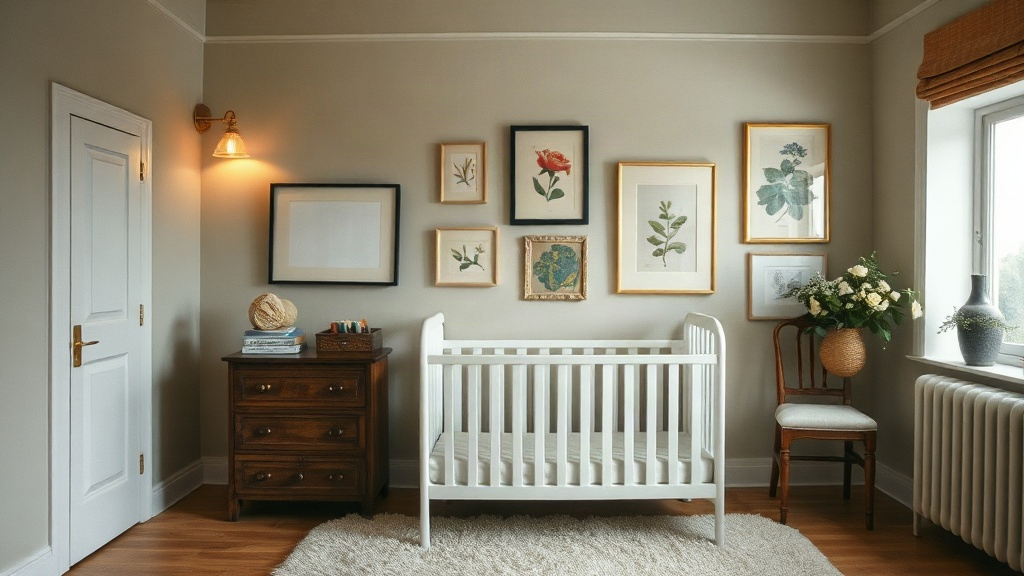
Artwork and accessories are the perfect tools for reinforcing the Victorian modern theme. Create a small gallery wall above the changing unit that mixes framed antique botanical illustrations or classic Beatrix Potter prints with bold, contemporary typography or abstract shapes. This playful contrast of old and new feels curated and highly personal. Finish the room with tactile, organic accessories—a handmade ceramic dish for dummies, a beautifully carved wooden mobile, or a simple linen bunting strung across the chimney breast.
Designing a nursery in a small Victorian home is a wonderful opportunity to get creative and celebrate the unique quirks of your property. By thoughtfully blending historical charm with modern simplicity, you can craft a space that is not only highly practical for those early years but also a genuinely beautiful room that you will love spending time in. Take your time sourcing pieces you adore, trust your instincts with colour, and enjoy the magical process of creating a welcoming, stylish haven for your little one. Happy styling!