

Designing a nursery is often painted as an overwhelming, expensive endeavour filled with endless gadgets and matching furniture sets. When I was pregnant, the sheer volume of ‘must-haves’ marketed to new parents felt entirely at odds with the peaceful sanctuary I actually wanted to create. The truth is, your baby does not need a room bursting with plastic toys or a bespoke, hand-painted mural to thrive. What they truly need, and what you will desperately crave during those 3 AM feeds, is a calm, uncluttered environment that breathes softly and functions beautifully.
Taking a minimalist approach to your nursery is not about creating a stark, clinical box devoid of joy. Rather, it is a deliberate choice to prioritise space, light, and a few carefully chosen pieces that bring genuine comfort. By stripping back the unnecessary, we can focus our budget on the things that actually matter, sourcing clever high-street finds and giving new life to pre-loved items. Let us walk through how to design a beautifully understated, serene space for your little one without breaking the bank.
Embracing Calm: Crafting a Minimalist Nursery on a Budget
The core philosophy of a minimalist nursery lies in intentional restraint, allowing the room to feel expansive and restful regardless of its actual footprint. When we remove the visual noise of overly themed decor and bulky plastic equipment, we create a gentle backdrop that supports both baby’s development and parental wellbeing. A pared-back aesthetic relies on the interplay of natural light, soft shadows, and negative space, meaning you naturally buy fewer items. This approach is inherently friendly to your wallet, as it gives you permission to step off the relentless consumer treadmill that so often accompanies impending parenthood.
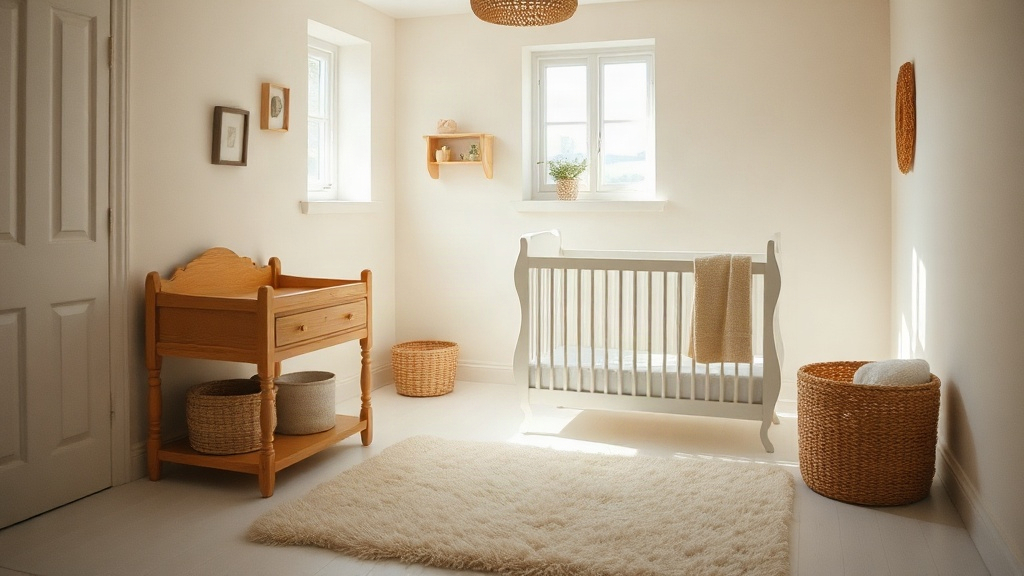
Financial boundaries are completely normal when planning for a new arrival, yet the pressure to spend thousands on a ‘perfect’ room remains incredibly high. Adopting a minimalist mindset shifts your focus from acquiring volume to securing value. Instead of purchasing an expensive, matching three-piece nursery furniture set, you might choose a simple, well-made cot and pair it with a vintage chest of drawers you already own. This eclectic, thoughtful curation not only saves hundreds of pounds but also results in a space that feels gathered and personal rather than lifted straight from a catalogue.
To keep costs strictly in check, begin by making a ruthless list of absolute essentials. Your baby needs a safe place to sleep, a surface for changing, and you need a comfortable spot for feeding. Everything else is secondary. By acknowledging that babies grow remarkably fast, we can avoid investing heavily in items with a short lifespan. A minimalist nursery embraces this transient phase, opting for adaptable pieces that will seamlessly transition into a toddler’s room or be happily absorbed into the rest of your home once the baby days are behind you.
The Art of Serene Space Planning for Little Ones
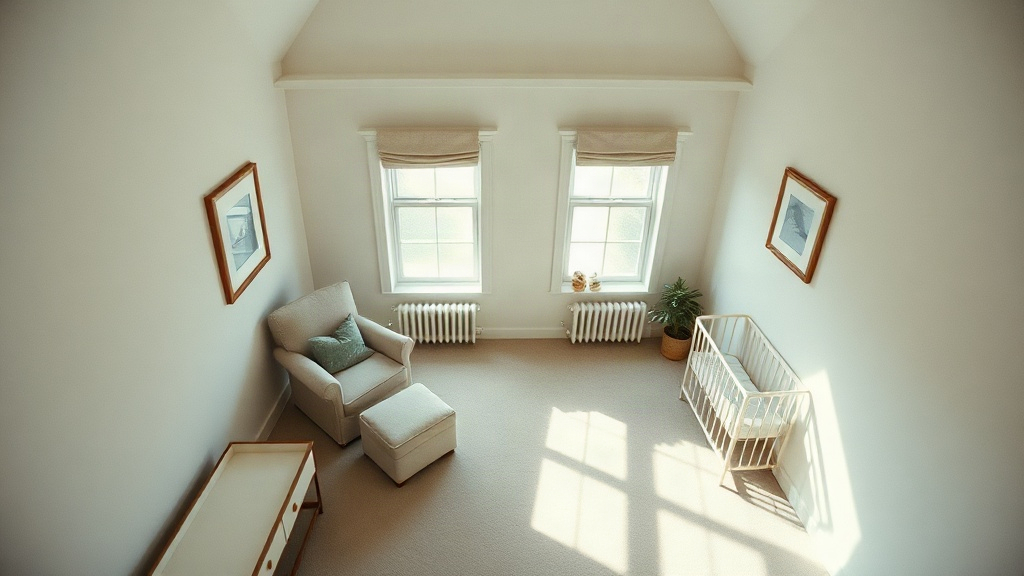
Before you even think about buying a tin of paint or ordering a cot, you must understand how the room needs to function on a practical level. Space planning in a nursery is entirely about flow and ease of movement, especially when you are carrying a sleeping baby in near darkness. A minimalist layout relies on clear pathways and distinct zones, ensuring that every corner of the room serves a specific, useful purpose. By positioning the cot away from draughty windows and radiators, and placing your changing station within arm’s reach of your supplies, you establish a rhythm that makes daily caregiving significantly smoother.
| Design Element | Minimalist Aspiration | Budget-Friendly Alternative | Styling Note |
|---|---|---|---|
| Wall Colour | Farrow & Ball ‘School House White’ (£60/2.5L) | Dulux Heritage ‘Pebble Grey’ (£42/2.5L) | Opt for a durable, washable matte finish to handle inevitable toddler scuffs while maintaining a chalky, premium look. |
| Wood Finishes | Solid White Oak or Walnut | Birch Plywood or Ash Veneer | Keep wood tones light and consistent across the room to create a seamless, visually uncluttered aesthetic. |
| Window Dressing | Bespoke Pure Belgian Linen Roman Blinds | Washed Cotton Canvas Blackout Curtains | Hang curtains high and wide to maximise natural daylight, choosing natural fibres for textural warmth. |
Storage is the quiet hero of any minimalist space, but in a nursery, it is absolutely vital for maintaining that sought-after sense of calm. Instead of lining the room with heavy wardrobes, consider built-in solutions or slimline units that blend quietly into the architecture. I always recommend utilising the vertical space; floating shelves painted in the same colour as the wall provide a subtle home for a few curated books and wooden toys without encroaching on the floor plan. Concealed storage, like under-cot drawers or woven baskets tucked inside a simple unit, allows you to hide away the chaotic reality of nappies, wipes, and endless muslins.
Creating a designated feeding nook is just as important as the sleep zone, as you will spend countless hours here. You do not need an oversized, expensive nursing chair that dominates the room. A compact, comfortable armchair sourced second-hand or a streamlined high-street accent chair works perfectly when paired with a small side table for your water glass and a dimmable lamp. By keeping this corner visually light and uncluttered, you maintain the minimalist aesthetic while ensuring you have a highly functional, restful spot for those quiet, bonding moments with your baby.
A Soothing Symphony: Colour Palettes, Textures, and Wall Finishes
Colour holds immense power over our mood, and in a nursery, the goal is always to cultivate a soothing, restful atmosphere. While stark brilliant white can occasionally feel a little too clinical for a baby’s room, soft, muted tones provide a gentle warmth that still aligns with a minimalist ethos. Earthy neutrals, warm oatmeals, and muted botanicals are wonderful choices that blur the boundaries of the room, making small spaces feel larger and more serene. When you limit your colour palette to two or three harmonious shades, the room instantly feels cohesive and considered, without requiring expensive wallpapers or complex murals.
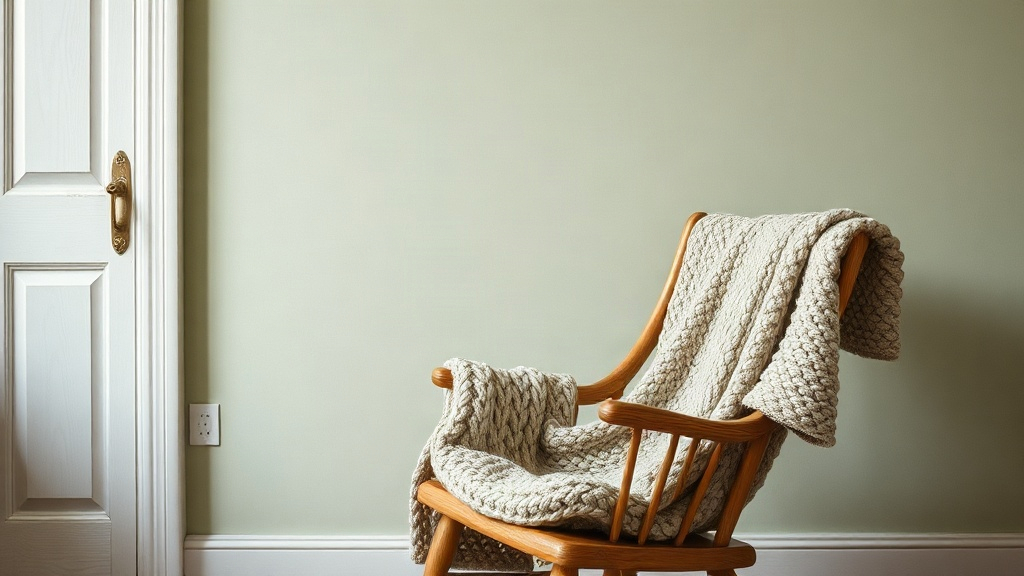
💡 Verity’s Styling Secret: To prevent a minimalist nursery from feeling cold or clinical, always introduce at least three different natural textures. Pair smooth painted wood with a slubby linen curtain and a thick, tufted wool rug. It is this tactile contrast, rather than physical clutter, that makes a pared-back room feel incredibly warm and grounding.
The British high street and our heritage paint brands offer incredible options for achieving a high-end look on a modest budget. Farrow & Ball’s ‘School House White’ or Little Greene’s ‘Slaked Lime’ provide beautifully complex, chalky backdrops that shift gently with the changing light of the day. If you want a hint of colour, consider a soft sage or a muddy plaster pink. To keep costs down, you can easily colour-match these heritage tones at a local B&Q or Brewers decorators centre using a durable, scrubbable finish. This ensures the walls can withstand the inevitable scuffs and sticky fingers of toddlerhood while maintaining their sophisticated matte appearance.
In a minimalist room where colour is restrained, texture must step in to provide the necessary warmth and visual interest. This is where you can introduce beautiful, tactile elements that make the space feel nurturing rather than bare. Layering a thick, wool-blend rug over hard flooring instantly softens the acoustics and gives you a comfortable spot for tummy time. A chunky knit cotton throw draped over the feeding chair, or washed linen curtains framing the window, brings an organic softness that stark modernism often lacks. These textural layers are affordable to source from places like Dunelm or Next, yet they fundamentally change the feeling of the room.
Thoughtful Furnishings: Essential Pieces and Smart UK Sourcing
Sourcing furniture for a minimalist nursery is an exercise in restraint and smart shopping. The UK high street is currently brimming with beautifully designed, affordable pieces that rival high-end boutiques if you know where to look. John Lewis’s ‘Anyday’ range is a fantastic starting point for clean-lined, incredibly sturdy cots that do not cost the earth, while Argos Habitat offers surprisingly chic, minimalist storage solutions. By mixing these accessible high-street staples with a few carefully chosen vintage pieces, you create a space that feels curated and unique, completely sidestepping the generic, matchy-matchy look that often screams ‘budget catalogue’.
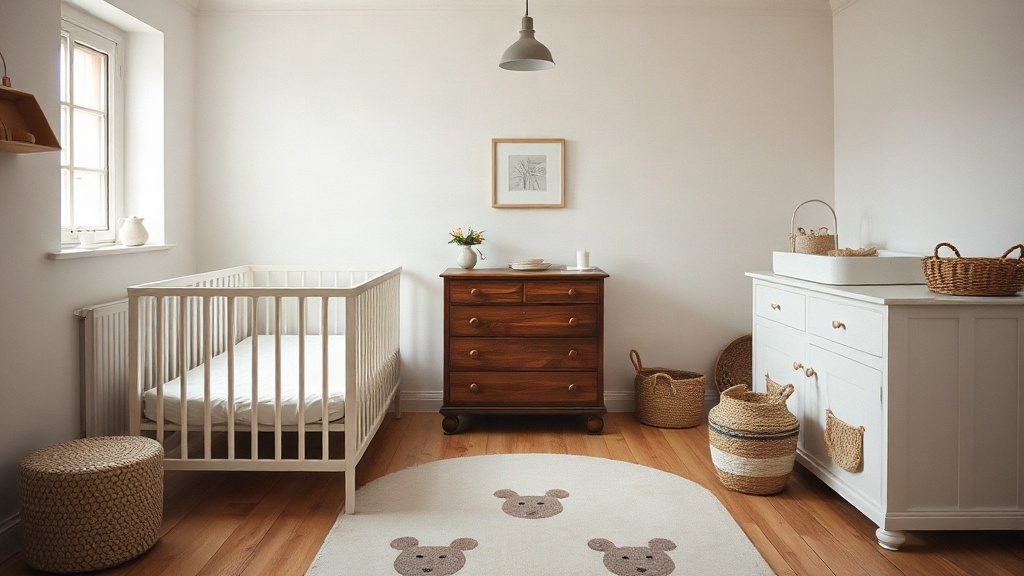
The changing station is arguably the hardest-working area in the nursery, but you absolutely do not need to buy a dedicated, expensive changing unit. One of my favourite budget-friendly styling tricks is to source a solid wood, vintage chest of drawers from Facebook Marketplace or a local British Heart Foundation furniture shop. A quick sand down and a coat of eggshell paint transforms it into a bespoke piece. Simply secure a changing mat to the top, and you have a beautiful, functional station with deep drawers that will serve your child well into their teenage years, long after the nappies are gone.
When selecting your essential furnishings, always prioritise pieces that offer longevity and multi-functional appeal. A cot that converts into a toddler bed might cost a fraction more upfront but will save you purchasing a whole new frame two years down the line. Similarly, simple canvas or woven storage baskets are inexpensive and incredibly versatile. Today they might hold muslins and baby grows; tomorrow they will hold wooden blocks and soft toys. This forward-thinking approach to furnishing is the very essence of minimalism—buying less, but buying better, and ensuring every single item earns its keep in your home.
Adding Warmth: Layered Lighting and Meaningful Accents
Lighting is the final, crucial layer in any interior design scheme, but in a nursery, it dictates the entire mood of the space. A single, harsh overhead pendant will instantly destroy the peaceful atmosphere you have worked so hard to create. Instead, a minimalist nursery benefits from a layered lighting approach that is gentle on both baby’s and parents’ eyes. You can easily achieve this on a budget by pairing a simple paper shade on the ceiling—which diffuses light beautifully—with a warm-toned table lamp near the feeding chair. Sourcing affordable, stylish lamps from stores like Dunelm or Zara Home allows you to control the ambience without a hefty price tag.
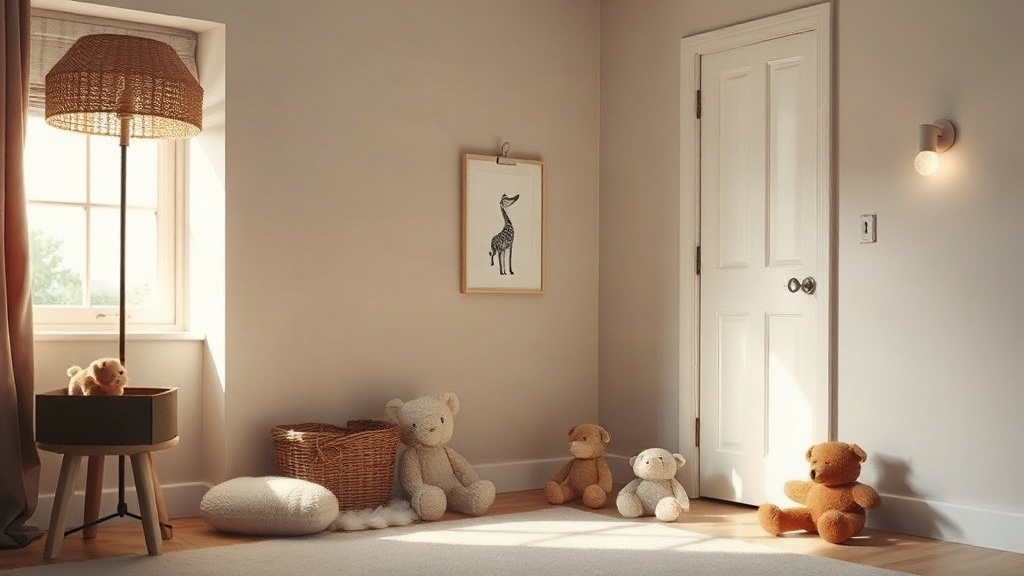
The practical reality of night feeds requires a very specific type of illumination. A low-wattage, warm-glow night light is an absolute necessity, allowing you to check on your baby and navigate the room safely without waking them fully. Plug-in options or small, rechargeable LED lamps are brilliant, budget-friendly solutions that keep cords out of sight and maintain the room’s clean lines. By keeping the light sources low to the ground and heavily diffused, you cast long, soft shadows that make the minimalist space feel incredibly cosy and secure, wrapping the room in a comforting glow during the darkest hours.
Finally, the accessories in a minimalist nursery should be sparse but deeply meaningful. Resist the urge to fill every shelf with trinkets. A single, beautifully framed print—perhaps an illustration from a favourite childhood book or a simple botanical sketch—creates a lovely focal point without cluttering the walls. A few high-quality wooden toys displayed on a shelf add a touch of whimsy and natural texture. By choosing just a handful of beautiful accents, you allow each piece to be truly seen and appreciated. Designing this room should be a joyful, grounding experience, resulting in a quiet sanctuary where you and your baby can simply be.