

Welcome back to Averis Living. I am Verity Innes Smith, and today we are tackling one of the most common design challenges in British housing: the narrow Victorian terrace hallway. These corridors are famously tight on space, frequently short on natural light, and constantly battling the daily influx of muddy boots, wet coats, and post. Yet, as the very first space you and your guests encounter, this modest footprint carries the heavy responsibility of setting the tone for your entire home.
Finding a balance between period authenticity and modern practicality can feel like a tall order. The formal, highly polished look of traditional Victorian design often feels a bit stiff for contemporary living, while a purely modern aesthetic can strip away the inherent character of a period property. This is where the rustic Victorian approach proves incredibly useful. By pairing the architectural bones of the nineteenth century with relaxed, country-inspired textures and weathered finishes, you create an entrance that is both visually striking and entirely forgiving of daily wear and tear.
In this guide, we will look at realistic, actionable ways to bring this aesthetic into small UK homes. From clever colour drenching techniques and sourcing the right reclaimed timber, to navigating the realities of built-in storage on a budget, these ideas are designed to help you build a hallway that works hard and looks brilliant doing it.
The Enduring Charm of Rustic Victorian Hallways
The rustic Victorian aesthetic works exceptionally well in small corridors because it relies on character rather than square footage. Instead of trying to force grand, oversized pieces into a narrow space, this look celebrates the beauty of worn materials, muted colours, and practical utility. It is an approach that acknowledges the history of the house while embracing the slightly messy reality of modern family life.
Blending Eras: Victorian Grandeur Meets Country Comfort
At its core, this style is about mixing the slightly formal architectural details of the Victorian era—think heavy cornicing, high skirting boards, and original archways—with the relaxed, tactile elements of a country cottage. You are aiming for a space that respects its heritage without feeling like a museum exhibit. The trick is to introduce materials that have an inherent warmth and a bit of visual age, which stops the space from feeling overly precious or demanding high maintenance.
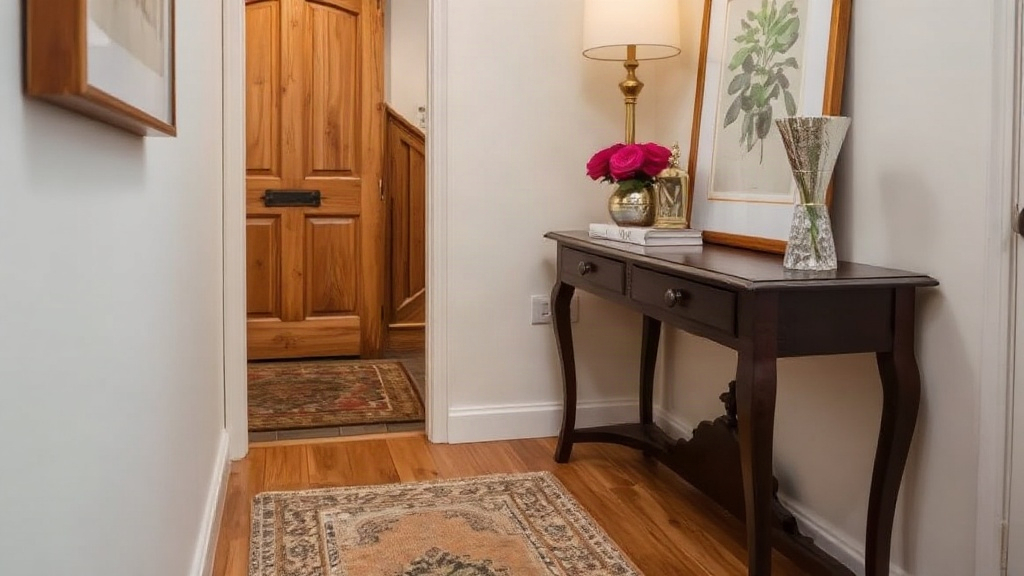
A reliable way to achieve this balance is through your choice of furniture. If you have the width for it, a dark wood Victorian console table provides a solid, traditional anchor. You can then soften its formal lines by styling it with contrasting textures. A rustic woven jute or sisal runner on the floor immediately dials down the formality, bringing in a highly durable, country-inspired element that stands up brilliantly to heavy foot traffic and damp shoes.
Wall art is another excellent tool for blending these two eras. Traditional Victorian homes often featured heavy, dark oil paintings, but you can update this look by opting for framed botanical prints. Sourcing vintage-style fern or wildflower illustrations and placing them in simple, slightly distressed wooden frames adds character and a link to nature, which is a cornerstone of the rustic aesthetic. This approach keeps the walls interesting without overwhelming a tight space.
Maximising Impact in Modest Spaces
When dealing with the typical proportions of a UK terrace hallway, you have to think strategically about where to draw the eye. Small spaces can quickly feel claustrophobic if you clutter the floor level with too many items. The goal is to utilise the height of the room, drawing attention upwards to those beautiful high ceilings that are characteristic of Victorian builds, while keeping the floor as clear as possible.
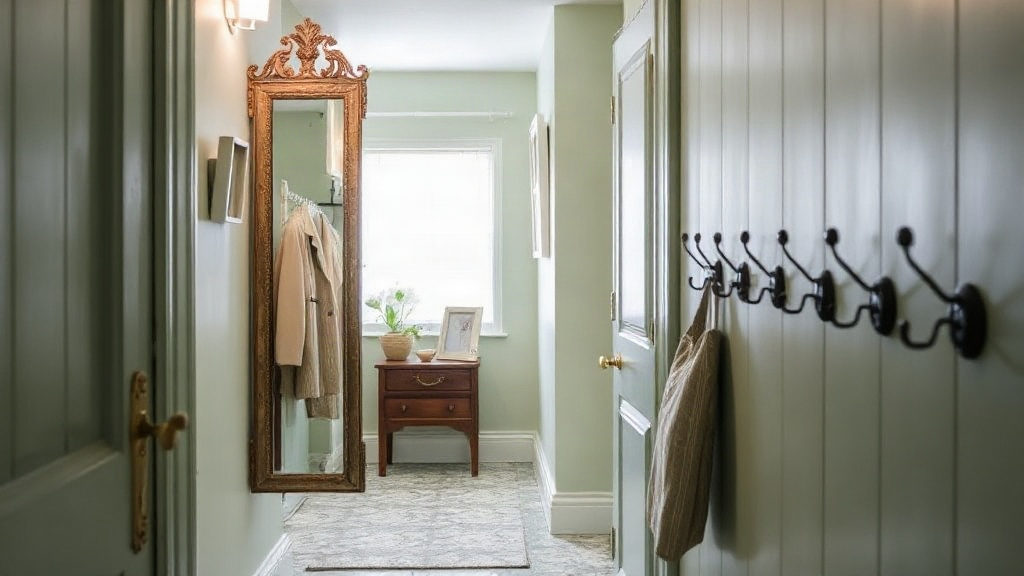
Slimline, vertical elements are your best asset here. A tall, narrow antique mirror is a classic choice. Not only does it reflect whatever natural light is coming through the front door or transom window, but its vertical orientation emphasizes the height of the room. When paired with a row of simple, wall-mounted coat hooks rather than a bulky freestanding coat stand, you maintain the necessary functionality without eating into your valuable walkway space.
Paint also plays a crucial role in managing the perception of space. While the instinct is often to paint small, dark hallways brilliant white to make them feel larger, this can sometimes result in a cold, flat space that highlights the lack of natural light. Instead, embracing a mid-to-dark tone, like a deep sage green, can blur the boundaries of the walls and ceiling. This technique makes the exact dimensions of the room harder to read, often resulting in a space that feels much more intentional and grounded.
A Palette of Warmth and Welcome
Colour is arguably the most powerful tool you have when setting the mood of a hallway. For a rustic Victorian scheme, the palette should take its cues from nature and history. We want to step away from clinical, modern greys and stark whites, moving instead towards rich, muddy tones and warm neutrals that feel as though they have always belonged to the house.
Earthy Tones and Heritage Hues
Heritage paint brands are particularly good at formulating colours that sit beautifully in older properties. These paints often contain complex blends of pigments that respond well to the shifting, sometimes gloomy light of a British hallway. Earthy tones—think muted greens, soft terracottas, and complex plaster pinks—provide a wonderful backdrop for rustic timber and aged brass.
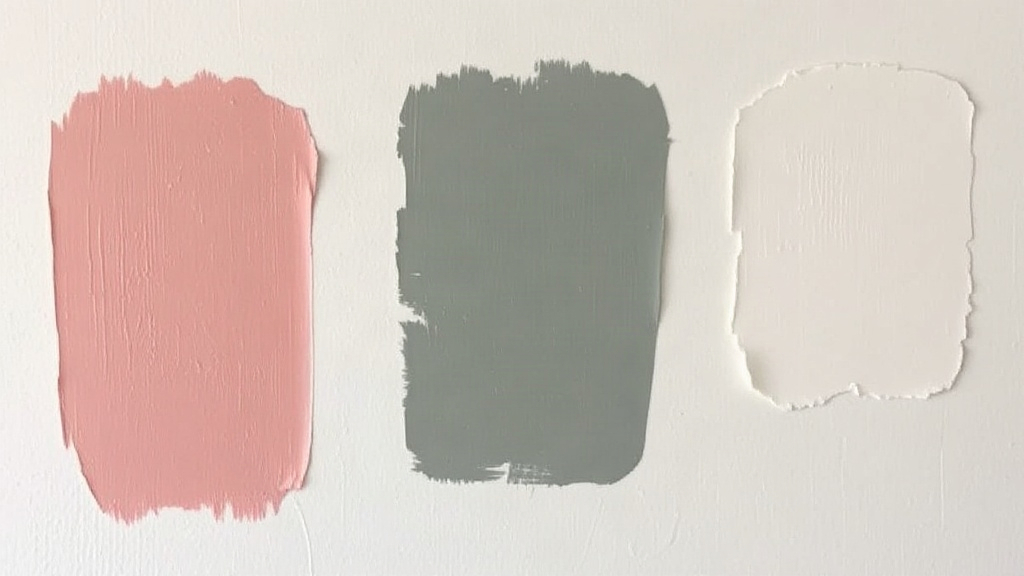
Farrow & Ball’s ‘Bancha’ or ‘Pigeon’ are excellent examples of the types of greens that work well in this context. They are strong enough to make a statement but have enough grey and brown in their undertones to feel relaxed and rustic. If you are nervous about going too dark, consider using these stronger colours on the lower half of the wall below a dado rail, keeping the upper half lighter. This grounds the space while maintaining a brighter feel at eye level.
For those who prefer a lighter scheme, warm neutrals are a safer bet than pure white. Shades like Farrow & Ball’s ‘Skimming Stone’ or Little Greene’s ‘Rolling Fog’ offer a stone-like quality that pairs perfectly with rustic elements. These colours provide a soft, forgiving backdrop that hides minor scuffs better than stark white, and they create a gentle contrast against dark Victorian woodwork or patterned floor tiles.
Adding Depth with Pattern and Texture
In a space where you cannot rely on large pieces of furniture to add interest, pattern and texture become incredibly important. Wallpaper is a traditional Victorian choice that can easily be adapted for a rustic scheme. The key is to choose designs that feel organic and slightly faded, rather than sharp and overly graphic.
Botanical prints, particularly those inspired by the Arts and Crafts movement like Morris & Co. designs, are perfect for this. Their dense, flowing patterns of leaves and vines bring a sense of the outdoors inside, which is a hallmark of rustic styling. In a narrow hallway, a medium-scale pattern often works best; patterns that are too large can feel overwhelming, while very small, ditsy prints can look busy and chaotic.
To prevent patterned wallpaper from dominating the space, balance it with calm, natural textures elsewhere. If you have a window in your hallway or on your landing, a textured linen or unbleached cotton Roman blind offers a soft, tactile counterpoint to the busy walls. Similarly, bringing in textural elements through lighting choices, such as a pleated fabric shade or a ribbed glass pendant, helps to build a layered, comfortable environment.
Clever Storage for Clutter-Free Corridors
The biggest threat to any hallway aesthetic is the inevitable pile of shoes, coats, and bags. In a small UK home, dedicated boot rooms are a rarity, meaning the hallway has to work incredibly hard. Successful rustic Victorian design relies on integrating storage so seamlessly that it feels like part of the architecture, rather than an afterthought.
Built-In Brilliance and Bespoke Solutions
When space is tight, off-the-shelf furniture rarely fits perfectly. It often leaves awkward gaps that gather dust and waste valuable inches. Investing in built-in storage is one of the most effective ways to maximise a narrow corridor. By designing a piece that fits exactly into the available alcoves or runs flush along a straight wall, you create a streamlined look that calms the space.
A slimline storage bench is a highly practical addition. By constructing a bespoke unit from MDF and adding traditional panelled detailing, you can create a piece that looks appropriate for the era. Painting it in the same colour as your walls or skirting boards helps it blend into the background, reducing its visual bulk. The interior can then be fitted with simple cubbies or pull-out drawers designed specifically for your family’s shoe sizes.
To keep the rustic feel intact, consider topping the painted bench with a piece of reclaimed timber or a distressed oak seat. This adds that crucial element of warmth and texture, breaking up the painted finish and providing a durable surface for sitting on while tying shoelaces. It is a practical detail that significantly enhances the overall design.
Vertical Storage: Going Up the Walls
If a built-in bench is not an option due to width restrictions, you must look upwards. The walls are your most valuable storage real estate in a narrow terrace. The traditional Victorian peg rail is an absolute workhorse in this regard, offering a simple, visually appealing way to keep items off the floor.
Instead of a modern metal rack, installing a long peg rail made from reclaimed wood instantly introduces a rustic, utilitarian charm. Running the rail along the entire length of the hallway, rather than just behind the door, creates a strong horizontal line that can actually make the space feel longer. You can paint the rail to match the walls for a subtle look, or leave the wood raw and waxed for maximum rustic impact.
To make the peg rail work harder, look for designs that incorporate a narrow shelf along the top. This provides a dedicated drop zone for keys, letters, and small decorative items like a trailing plant in a terracotta pot, keeping your console table (if you have one) clear of clutter. It is a highly efficient way to manage the daily drop-off without sacrificing style.
Authentic Materials: The Soul of Rustic Victorian
The success of the rustic Victorian look hinges on the materials you use. This style rejects high-gloss plastics and heavily manufactured finishes in favour of things that age gracefully. You are looking for materials that develop a patina—the natural wear and tear that comes from daily use—which adds genuine character to the space.
The Beauty of Natural Woods and Wrought Iron
Wood is the foundation of the rustic aesthetic. In a Victorian context, this means moving away from the highly polished mahogany of the formal reception rooms and embracing more relaxed timbers like pine, oak, and elm. These woods show their grain, their knots, and their history, which is exactly what we want in a welcoming hallway.
Incorporating an antique pine piece, whether it is a small side table, a mirror frame, or a traditional coat stand, immediately warms up a scheme. The slightly orange, aged tone of old pine sits beautifully against moody green or blue walls. You don’t need everything to match perfectly; in fact, mixing different wood tones often feels much more authentic and less contrived than buying a matching set.
To ground the softer woods, introduce elements of wrought iron or cast iron. This is a very traditional Victorian material that adds a necessary visual weight and industrial edge to the rustic look. A heavy cast iron umbrella stand, traditional iron shelf brackets, or even solid iron door hardware provide a robust, utilitarian contrast to the softer, natural textures in the room.
Tiling Tales: Floors That Speak Volumes
The hallway floor takes the brunt of the UK weather, meaning durability is just as important as aesthetics. While rustic wooden floorboards are beautiful, they can be difficult to maintain near a front door where grit and moisture are constantly brought inside. This is where traditional Victorian tiling proves its worth.
Encaustic floor tiles are a staple of Victorian hallway design. Their geometric patterns and matte finish are incredibly forgiving of dirt, and they add a fantastic layer of pattern without taking up any physical space. If you are lucky enough to have original tiles hidden under modern carpet, restoring them is almost always worth the effort and expense, as they form the perfect foundation for a rustic scheme.
If you need to lay a new floor, there are excellent reproduction options available from UK suppliers like Original Style or Fired Earth. To keep the look rustic rather than overly formal, opt for classic colour combinations like terracotta, cream, and charcoal, rather than stark black and white. Pair the tiles with a heavy-duty coir mat sunk into a mat well right at the door to protect the floor and maintain the practical, country-house feel.
Illuminating Your Entrance with Character
Lighting a small, often windowless Victorian hallway requires a thoughtful approach. A single, glaring pendant light in the centre of the ceiling will only highlight the narrowness of the space and cast harsh shadows. To create a welcoming atmosphere, you need to layer your lighting and choose fixtures that contribute to the rustic period aesthetic.
Period Lighting with a Rustic Edge
The primary light source should be practical but visually interesting. We want to avoid overly modern, flush-mounted LED panels. Instead, look for pendant lights that nod to the Victorian era but feature slightly industrial or unrefined finishes, bridging the gap between grand and rustic.
Antique brass or aged copper fixtures are excellent choices. Unlike polished brass, which can look a bit flashy, aged metals have a muted, tarnished quality that feels settled and historic. A pendant light featuring a wide metal shade or a ribbed glass dome helps to diffuse the light softly. Ribbed or prismatic glass is particularly useful, as it obscures the harshness of the bulb while casting subtle, interesting shadows on the ceiling.
If your ceiling height allows, hanging a series of two or three smaller pendants down the length of the corridor is a great trick. This draws the eye along the space, making the hallway feel longer, and provides a much more even distribution of light than a single central fitting. Always use warm white bulbs (around 2700 Kelvin) to replicate the soft, welcoming glow of traditional incandescent lighting.
Mirrors: Reflecting Light and Space
In a tight hallway, mirrors are not just decorative; they are a vital functional tool for manipulating light and the perception of space. Placing a mirror opposite a doorway or a reception room window can bounce borrowed light into the darkest corners of the corridor.
For a rustic Victorian look, the frame of the mirror is just as important as the glass. A large, ornate mirror with a slightly battered, tarnished gold or brass frame adds a touch of faded grandeur. The contrast between a highly decorative, slightly worn frame and the practical, hardwearing elements of the hallway (like the coir matting or iron hooks) perfectly encapsulates the rustic Victorian vibe.
Consider using foxed or antiqued glass rather than a perfect, modern mirror. Foxed glass has a slightly mottled, aged appearance that softens the reflection. It feels less clinical and much more in keeping with a period property, adding texture to the wall while still doing the necessary job of reflecting light around the space.
Curating Your Rustic Victorian Look: UK Shopping Guide
Achieving a convincing rustic Victorian aesthetic relies on curating a mix of genuine older pieces and well-chosen modern additions. It should look like a collection that has evolved over time, rather than a matching set bought all from one catalogue. Fortunately, the UK is exceptionally well-equipped for sourcing both antiques and sympathetic high street items.
Sourcing Antiques and Reclaimed Treasures
The most authentic way to build this look is to hunt for genuine antique and reclaimed items. You don’t need to spend a fortune; in fact, the rustic aesthetic actively embraces pieces that are a bit battered, which are usually more affordable. You are looking for solid wood, good proportions, and interesting patina.
Large antique fairs like Sunbury Antiques Market at Kempton Park or the Ardingly Antiques Fair are fantastic places to find hallway furniture. Always go armed with exact measurements of your hallway, as it is very easy to misjudge scale in a massive field or warehouse. Look for narrow pine console tables, old pub mirrors with wooden frames, and original cast iron umbrella stands.
Local reclamation yards are also invaluable, particularly for architectural salvage. This is where you will find original Victorian floor tiles, chunky reclaimed timber for making your own shelves or peg rails, and authentic period door hardware. Don’t be put off by dirt or layers of old paint; a bit of sanding and waxing can bring neglected pieces back to life beautifully.
High Street Finds and Independent Gems
You do not need to buy everything vintage. Mixing antiques with carefully selected new items ensures the space functions well for modern living. The UK high street and online independent makers offer plenty of options that fit perfectly into a rustic Victorian scheme.
For practical, utilitarian items with a country edge, Garden Trading is a highly reliable source. They excel at things like raw oak peg rails, wirework shoe racks, and simple, rustic lighting. John Lewis is also excellent for high-quality, traditional lighting fixtures and durable hallway runners that mimic the look of natural fibres but are easier to clean.
Finally, do not overlook platforms like Etsy for bridging the gap between bespoke and off-the-shelf. It is a brilliant place to find UK-based makers who can craft a peg rail to your exact dimensions, or artists selling affordable, vintage-style botanical prints. By blending these accessible finds with a few hard-won antique market treasures, you can create a hallway that is practical, characterful, and deeply respectful of its Victorian roots.