

Embrace the beauty of imperfection and tranquil simplicity with minimalist wabi sabi decor. By blending the clean, uncluttered lines of modern minimalism with the rustic, time-worn warmth of Japanese wabi-sabi philosophy, you can create a deeply grounding sanctuary in your home.
Explore these 25 expert-curated ideas spanning spatial layout, raw architectural finishes, earthy lighting, and soulful styling touches designed to elevate your living spaces.
Anchor an Open-Concept Living Room with an Oversized Jute Area Rug
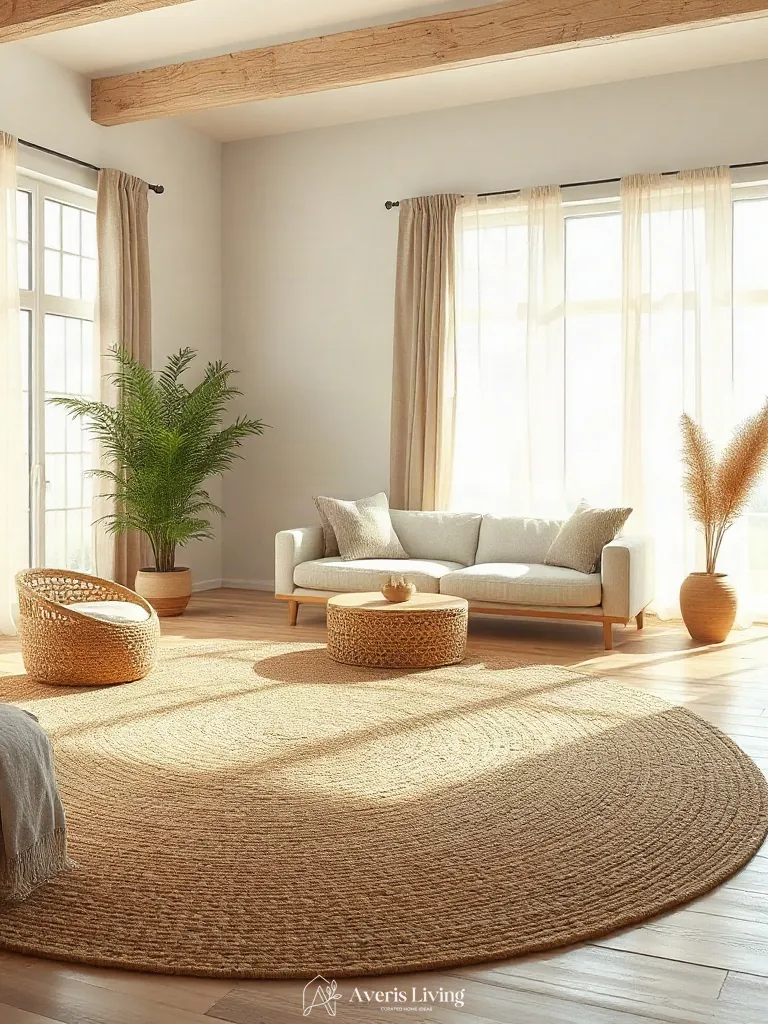
Open-plan spaces often lack intimacy, making an oversized jute area rug an essential element of minimalist wabi sabi decor. This foundational piece effortlessly defines functional zones while introducing rich, organic texture and grounding warmth.
Opt for a thick, unbleached weave that embraces natural imperfections. Pair it with low-profile linen seating to create an inviting, earthy sanctuary.
Create Spatial Flow Using Floating Solid Oak Low-Profile Benches
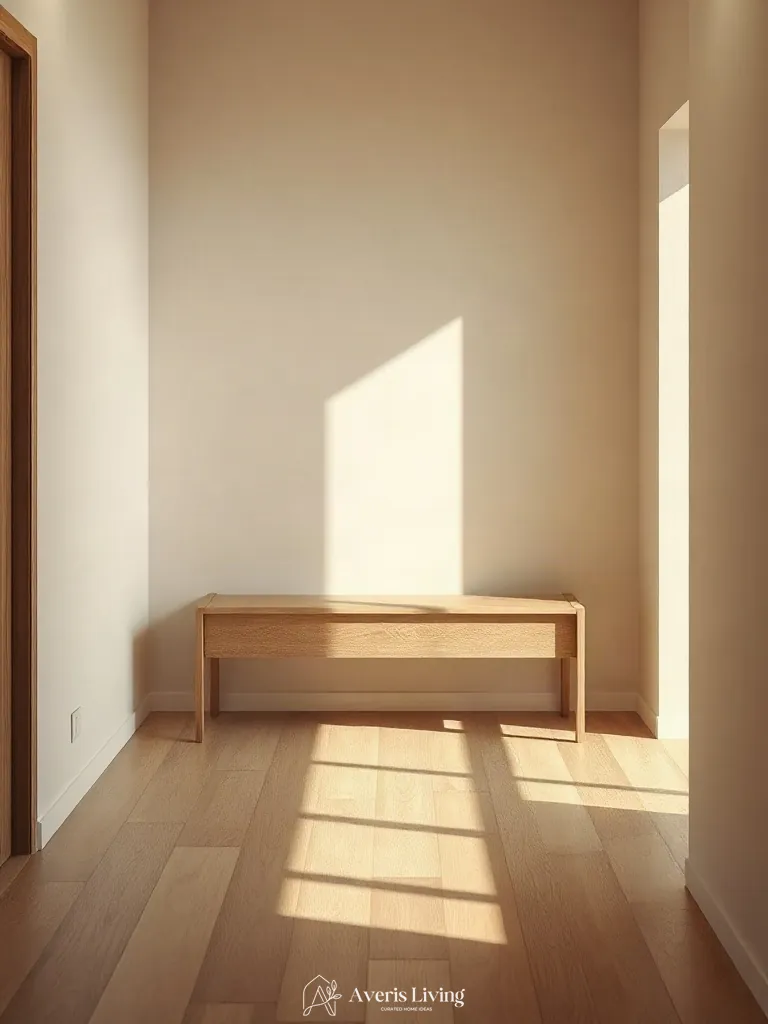
Integrating floating solid oak low-profile benches instantly elevates minimalist wabi sabi decor by enhancing natural room circulation. These streamlined fixtures eliminate visual clutter, allowing the eye to sweep freely across unhindered floors while grounding your living space with quiet architectural warmth.
Mount these benches at varying lengths using concealed steel brackets to achieve effortless visual balance. Finish the sustainably sourced timber with a matte, non-toxic hardwax oil to highlight the organic grain and celebrate the authentic beauty of natural imperfections.
Establish Intimate Conversational Zoning with Angled Linen Armchairs
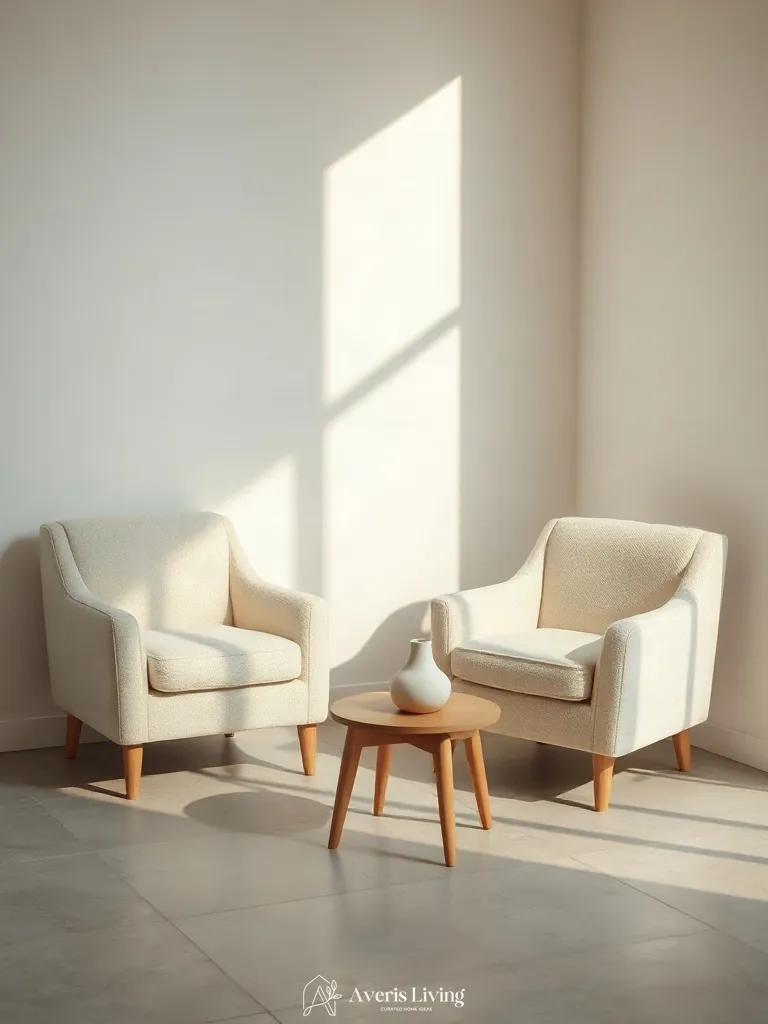
Boxy room layouts can feel rigid, making minimalist wabi sabi decor shine when you introduce soft angles. Angled linen armchairs instantly disrupt harsh corners, creating a welcoming embrace that naturally invites intimate conversations and mindful pauses.
Position a pair of textured Belgian flax chairs at a relaxed forty-five-degree angle toward each other. Pair them with a low-profile reclaimed wood stool to ground the arrangement in raw, earthy authenticity.
Maintain Unobstructed Vertical Clearance with Low-Slung Modular Seating
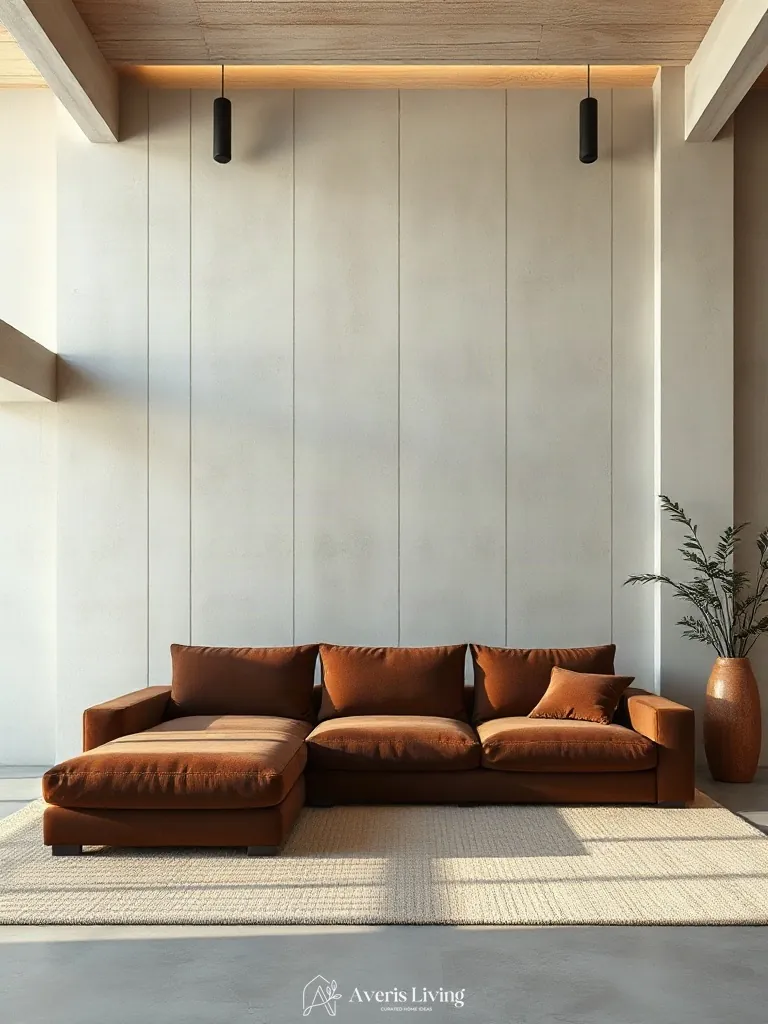
Embracing minimalist wabi sabi decor involves choosing low-slung modular seating that anchors the room while drawing the eye downward. This intentional design choice instantly emphasizes soaring ceiling heights, fostering a grounded, meditative atmosphere that encourages quiet reflection.
Opt for durable linen upholstery in organic stone hues paired with reclaimed teak frames to enhance texture. Arrange the low profiles loosely to promote effortless flow and celebrate the serene, unpretentious beauty of empty vertical space.
Frame a Living Space with Lime-Washed Plaster Arched Wall Niches
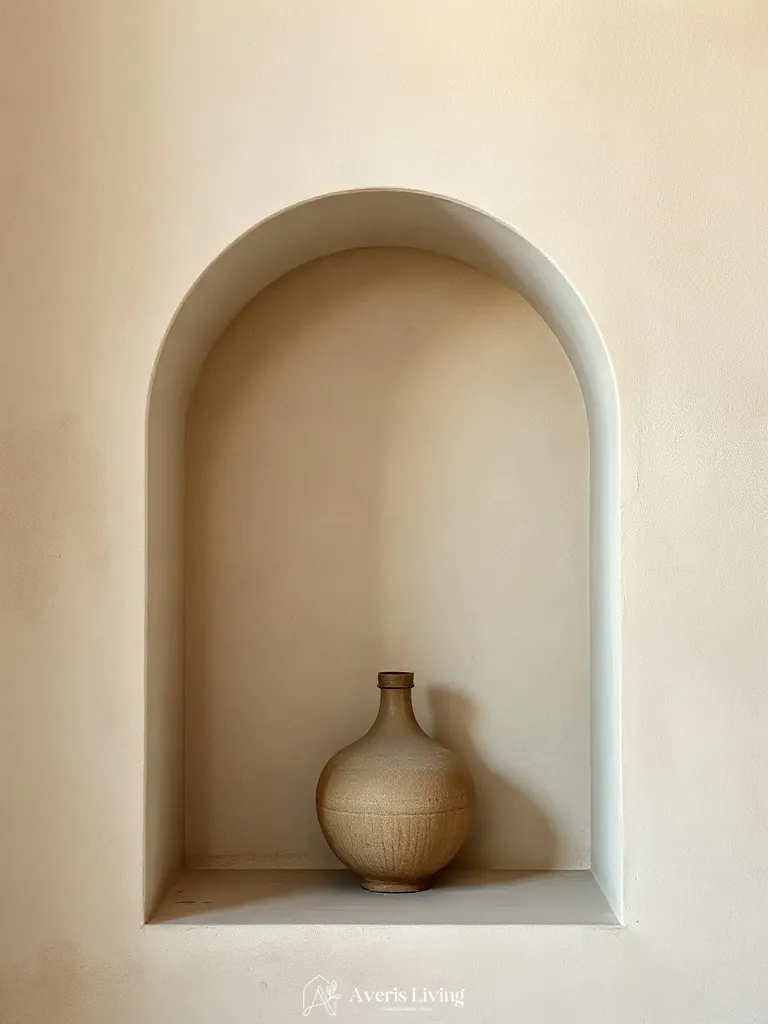
Soft architectural curves break the monotony of flat drywall, instantly enriching minimalist wabi sabi decor. Sculptural arched wall niches introduce organic movement and shadow play, creating a sacred pause within the room.
Craft these recesses using breathable lime-washed plaster to achieve a chalky, tactile depth. Style them sparingly with a single hand-thrown ceramic vessel or a gnarled branch.
Install Vertical Fluted White Oak Slats Along the Entryway Accent Wall
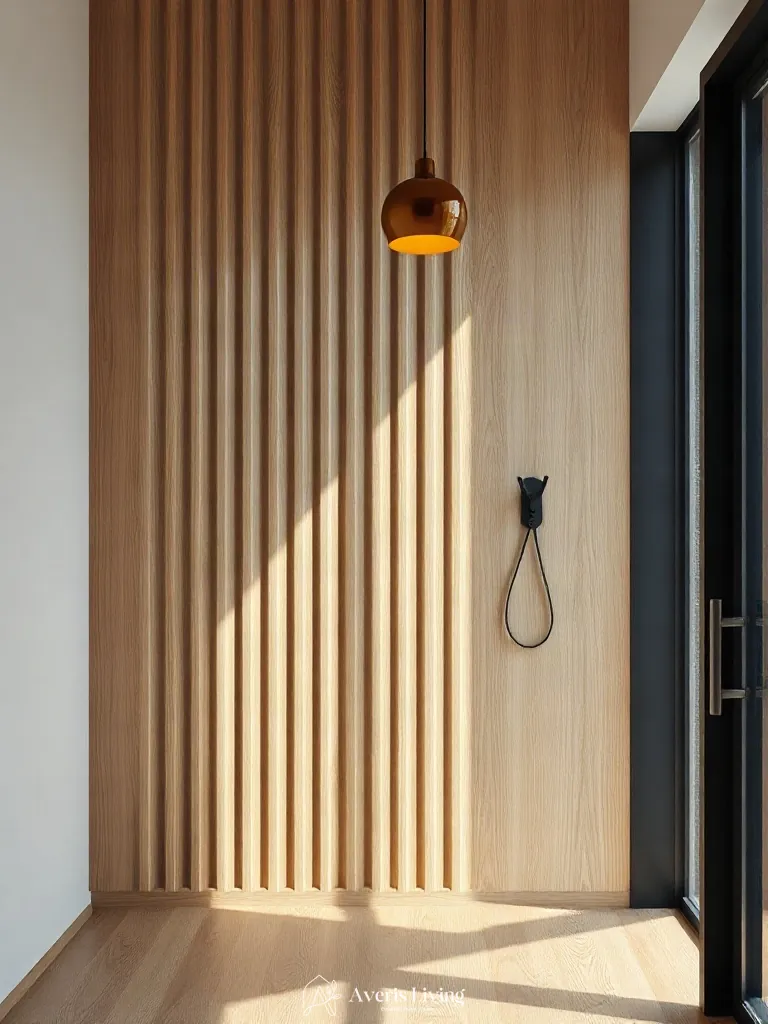
Transform your corridor with minimalist wabi sabi decor by installing vertical fluted white oak slats. This striking entryway accent wall introduces rhythmic texture and sophisticated verticality, instantly elongating the perceived height of narrow spaces.
Opt for untreated or lightly whitewashed oak to celebrate natural grain variations. Pair the slatted surface with a low-profile concrete bench and a single ceramic vessel for an understated, welcoming arrival.
Introduce Subtle Depth with Micro-Cement Monolithic Ceiling Treatments
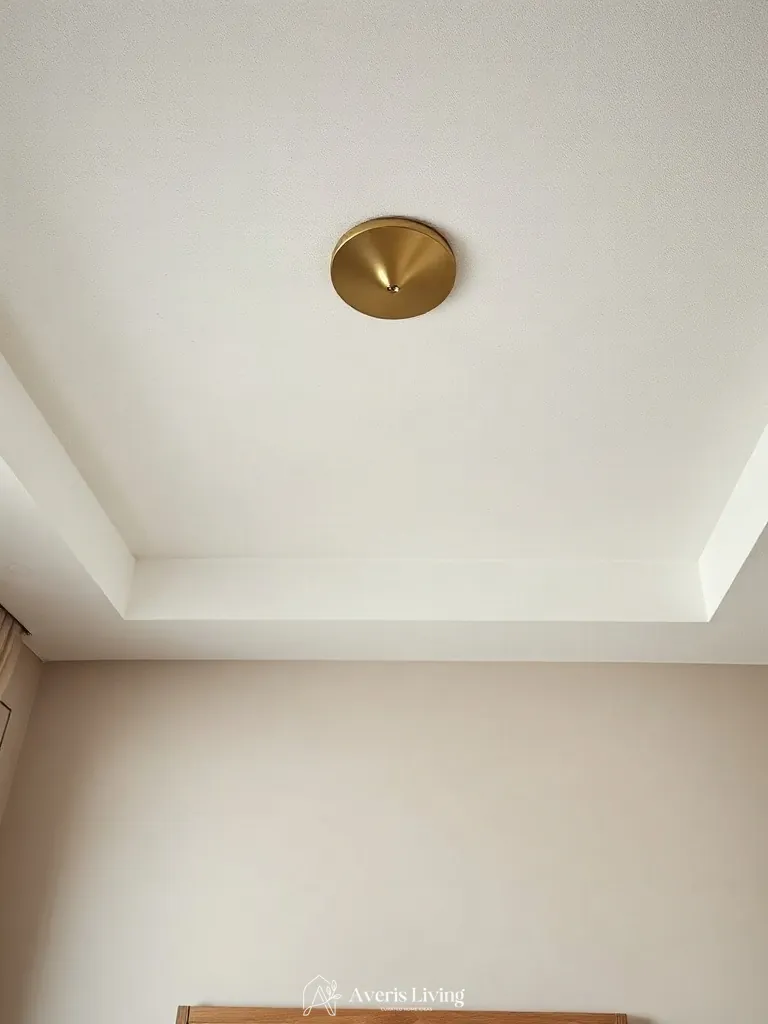
Wrapping the upper perimeter in a seamless micro-cement finish creates a striking cocooning effect. This tactile treatment softens sharp architectural angles, embodying the essence of minimalist wabi sabi decor through organic texture.
Apply a hand-troweled limestone plaster to achieve matte, cloud-like variations overhead. Pair this monolithic ceiling treatment with warm LED perimeter uplighting to accentuate the subtle imperfections.
Build Seamless Floating Shelves from Reclaimed Structural Timbers
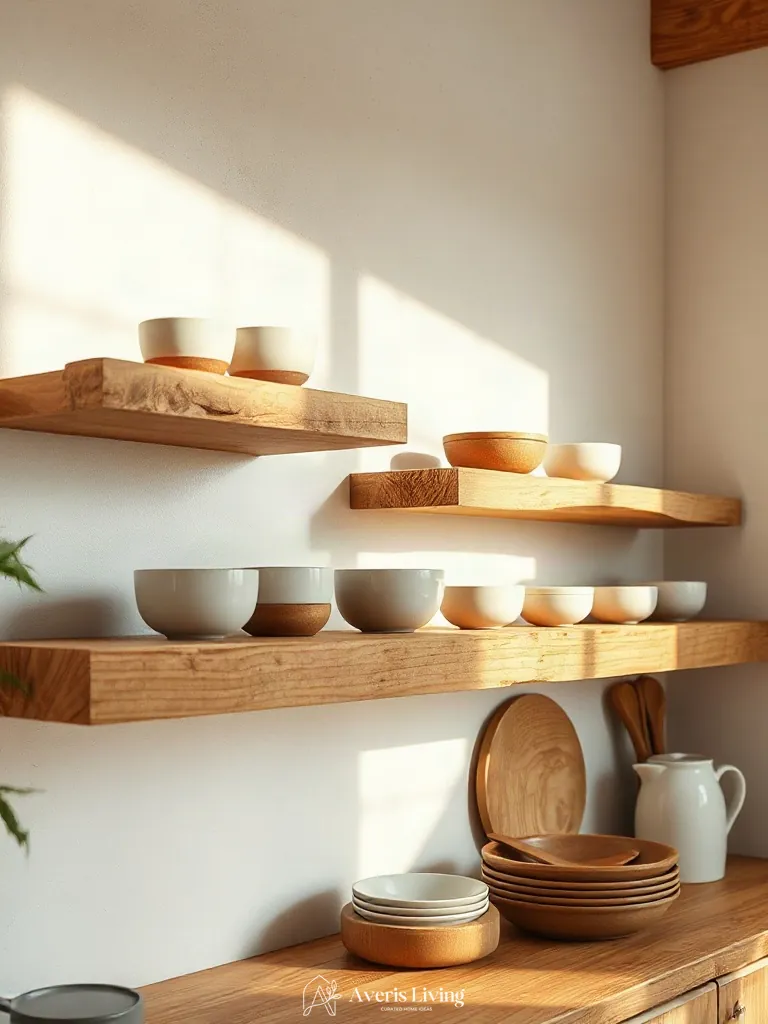
Integrating reclaimed structural timbers into your minimalist wabi sabi decor introduces raw historical utility without cluttering the visual field. These weathered wooden ledges honor the aesthetic of imperfection.
Mount them securely using hidden steel brackets to achieve a floating effect. Style the surfaces sparingly with handmade ceramic bowls and vintage linen-bound volumes to celebrate authentic, time-worn textures.
Ground a Dining Area with a Raw-Edge Travertine Pedestal Table
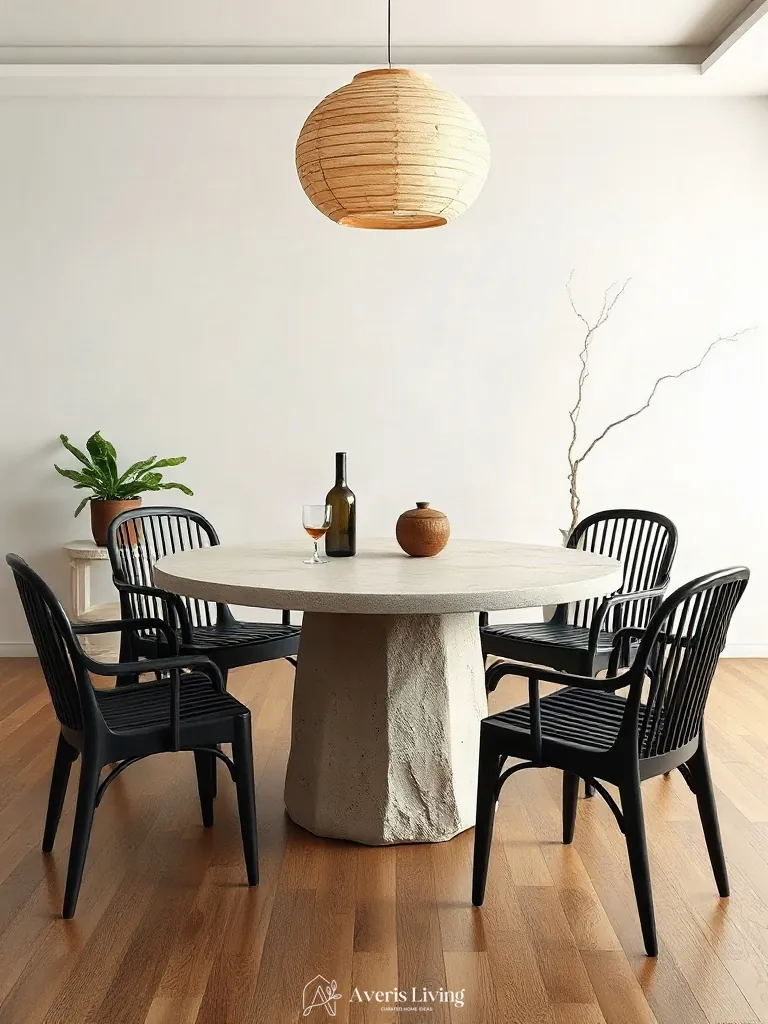
A raw-edge travertine pedestal table anchors the room with earthy tactility, celebrating stone’s porous beauty and natural fissures.
This design choice for minimalist wabi sabi decor invites honest textures, pairing seamlessly with unglazed ceramics and linen chairs.
Wrap Accent Walls in Breathable, Hand-Applied Clay Limewash Plaster
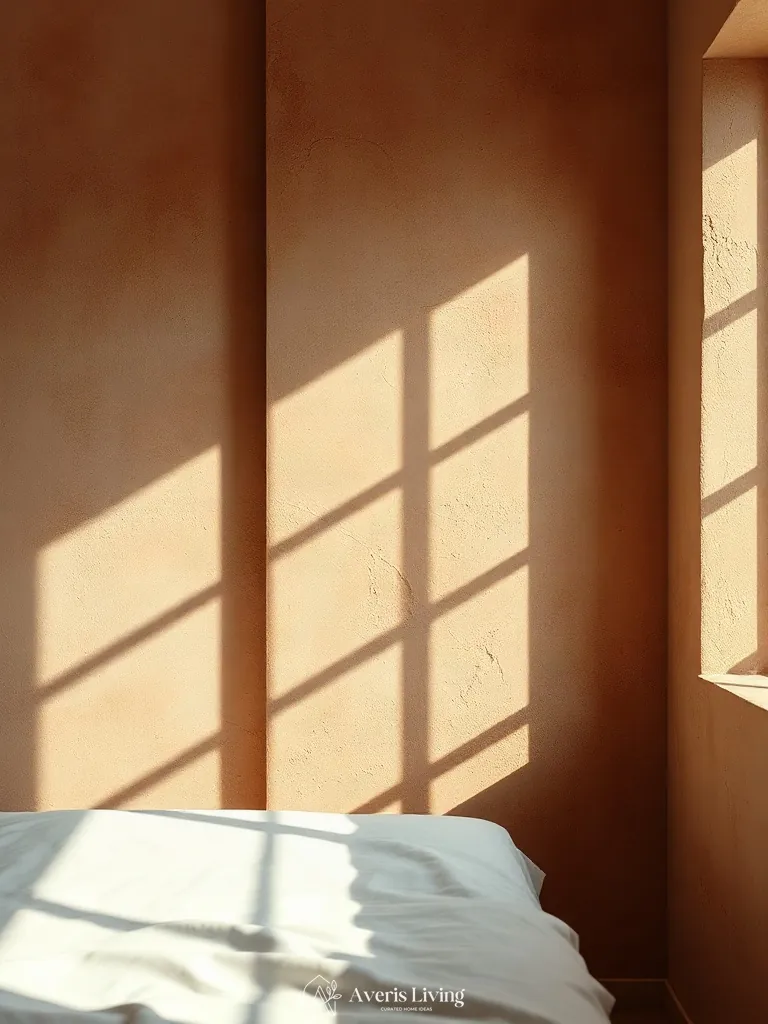
Embracing minimalist wabi sabi decor involves celebrating natural imperfections, and hand-applied clay limewash plaster achieves this effortlessly. This textured finish shifts visual depth and offers a chalky, matte tactility that reacts dynamically to changing daylight, casting soft shadows across the room as the sun moves.
To implement this, opt for breathable mineral paints or authentic lime plasters in warm, earthy tones like chalk, sand, or muted terracotta. Use a wide brush to apply crisscross strokes, leaving subtle trowel marks that honor the beauty of handmade craft.
Add Organic Tactility with Textured Ivory Bouclé Upholstery
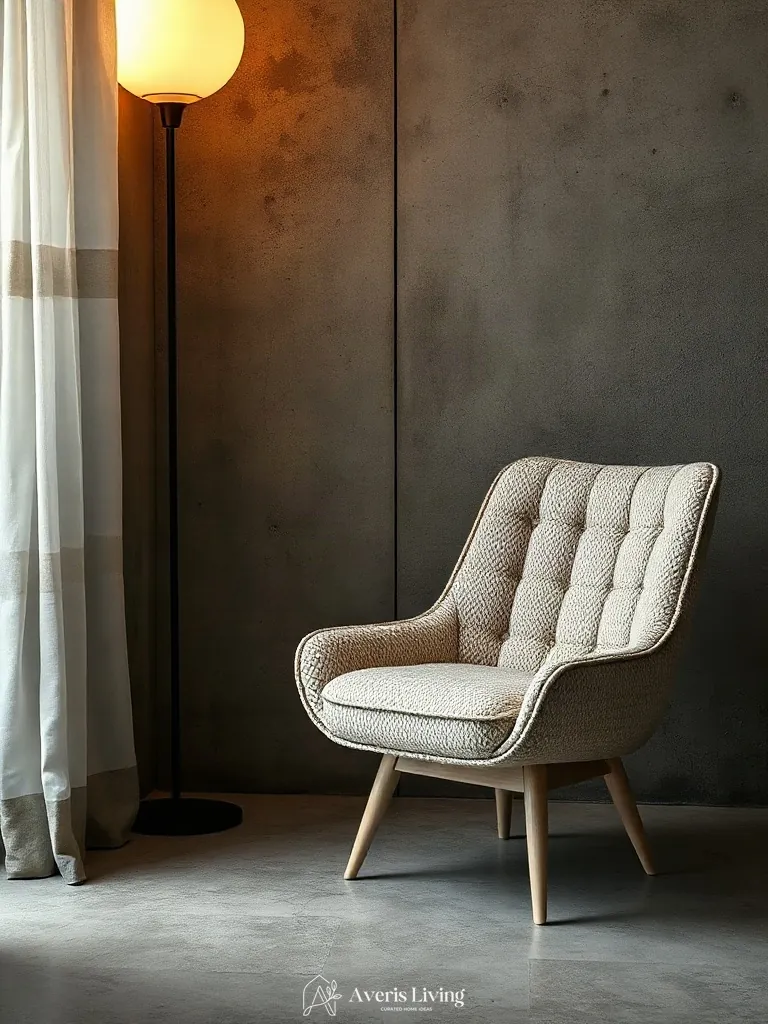
Introduce tactile warmth to your minimalist wabi sabi decor with a sculptural armchair upholstered in plush ivory bouclé. The nubby, looped yarn invites physical touch, creating an irresistible sensory anchor in the room.
This rich texture provides a stunning visual contrast against hard concrete floors or smooth lime-washed plaster walls, celebrating the Japanese aesthetic of imperfect, raw beauty.
Pair Handcrafted Zellige Tile Backsplashes with Brushed Brass Faucets
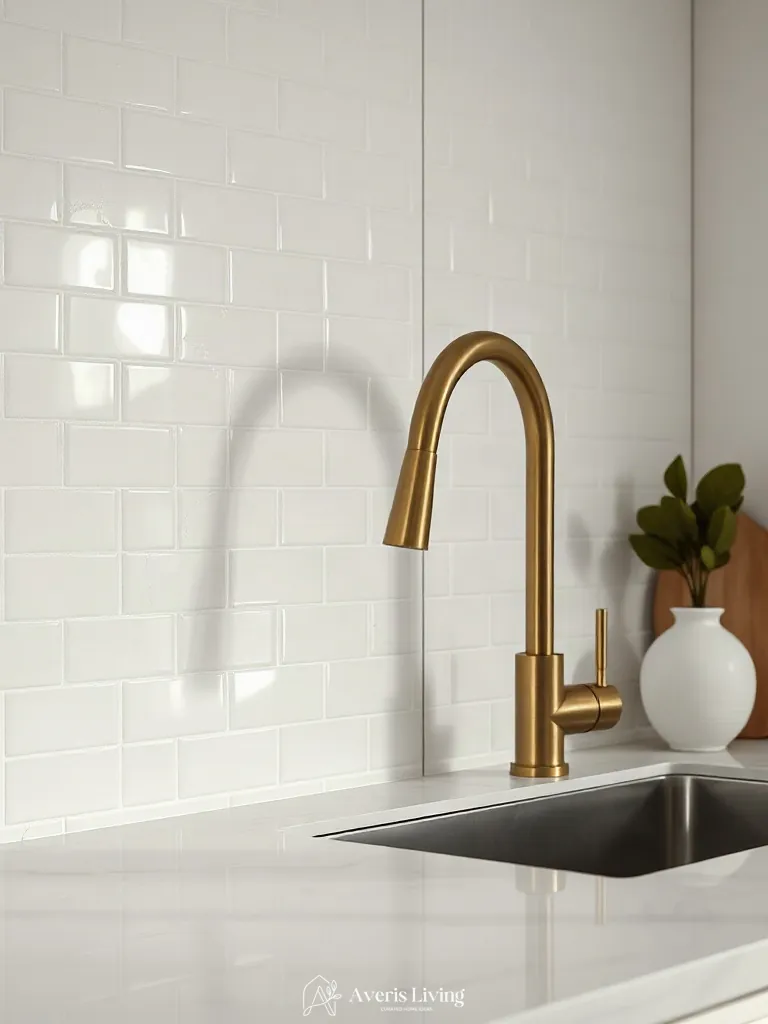
Embrace minimalist wabi sabi decor by pairing Moroccan zellige tile backsplashes with brushed brass faucets. The organic, imperfect glaze variations of handmade tiles introduce tactile depth, while the muted sheen of brushed metal adds understated luxury to kitchen and bath spaces.
Install zellige tiles with tight grout lines to highlight their raw edges, complementing them with unlacquered brass hardware that develops a natural patina over time.
Showcase Natural Grain Using Wire-Brushed Ebonized Oak Millwork
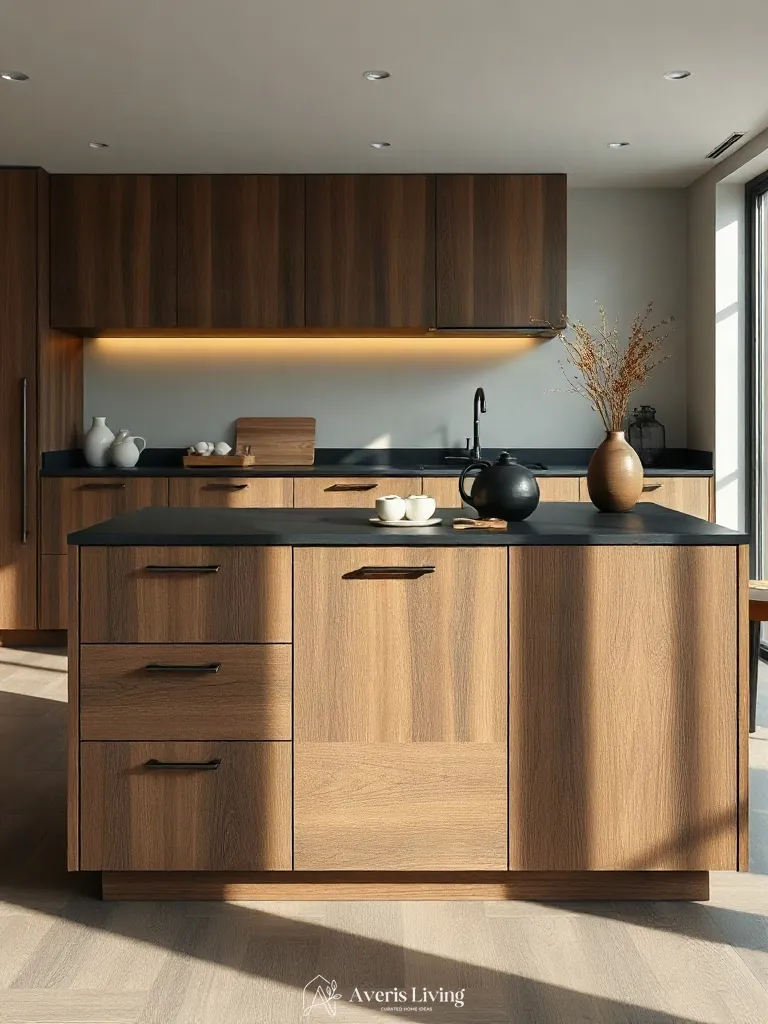
Embracing minimalist wabi sabi decor invites striking depth into serene spaces through wire-brushed ebonized oak millwork. This technique opens the wood pores, highlighting rich, tactile grain beneath a deep, charcoal finish that grounds modern cabinetry with organic warmth.
Pair these dark, textured panels with unlacquered brass hardware and soft limestone counters to create a refined contrast. The visible imperfections of the brushed grain celebrate natural authenticity in every daily routine.
Mount Matte Black Eye-Level Sconces for Soft Ambient Wall Grazing
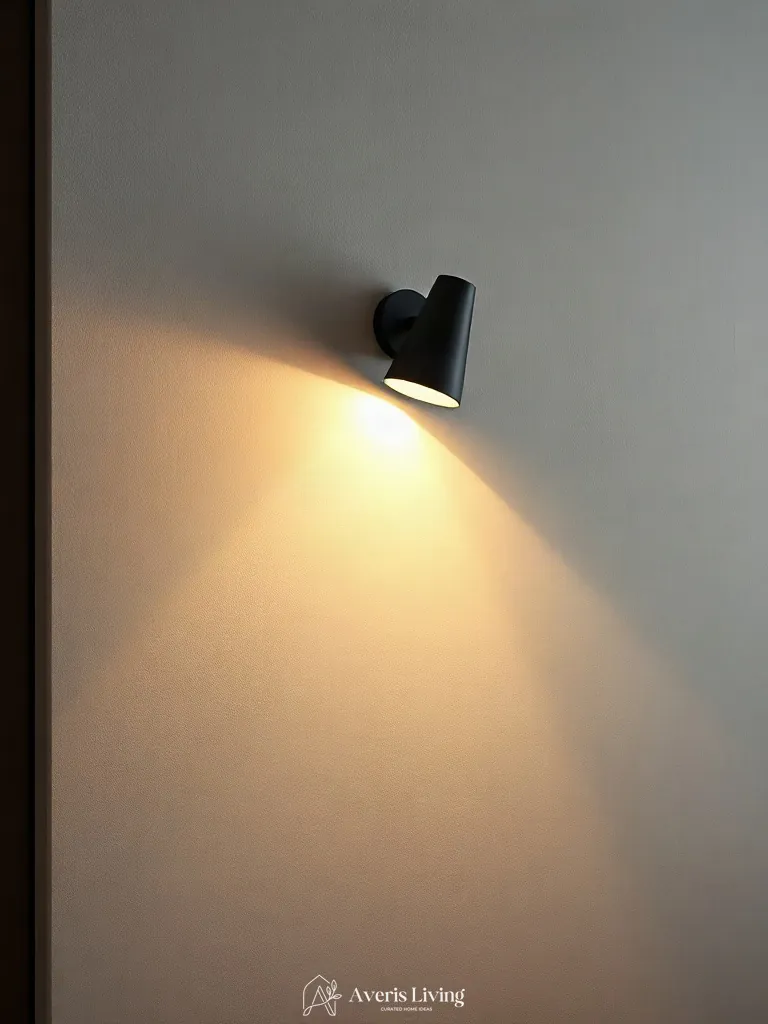
Embrace minimalist wabi sabi decor by replacing harsh overhead lights with matte black eye-level sconces that wash textured plaster walls in warm, gentle illumination.
Position fixtures at standard eye height to eliminate glare, casting soft shadows that highlight raw, imperfect surfaces.
Conceal Warm-LED Cove Lighting Behind Floating Ceiling Profiles
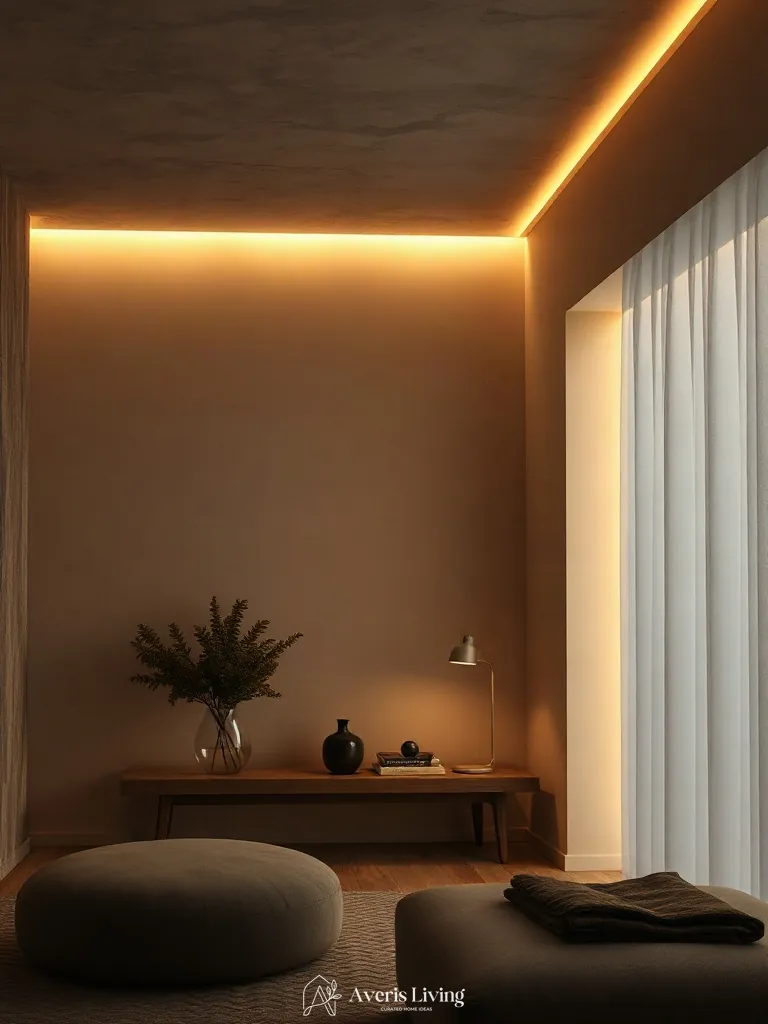
Concealing warm-LED cove lighting behind floating ceiling profiles creates an ethereal halo that dissolves harsh boundaries, elevating minimalist wabi sabi decor through gentle illumination. This technique casts a diffused glow, mimicking natural twilight.
Install dimmable LED strips within recessed plaster channels paired with matte white finishes to ensure the light bounces seamlessly, fostering a tranquil nighttime sanctuary.
Suspend an Oversized Wabi-Sabi Washi Paper Pendant Over the Dining Table
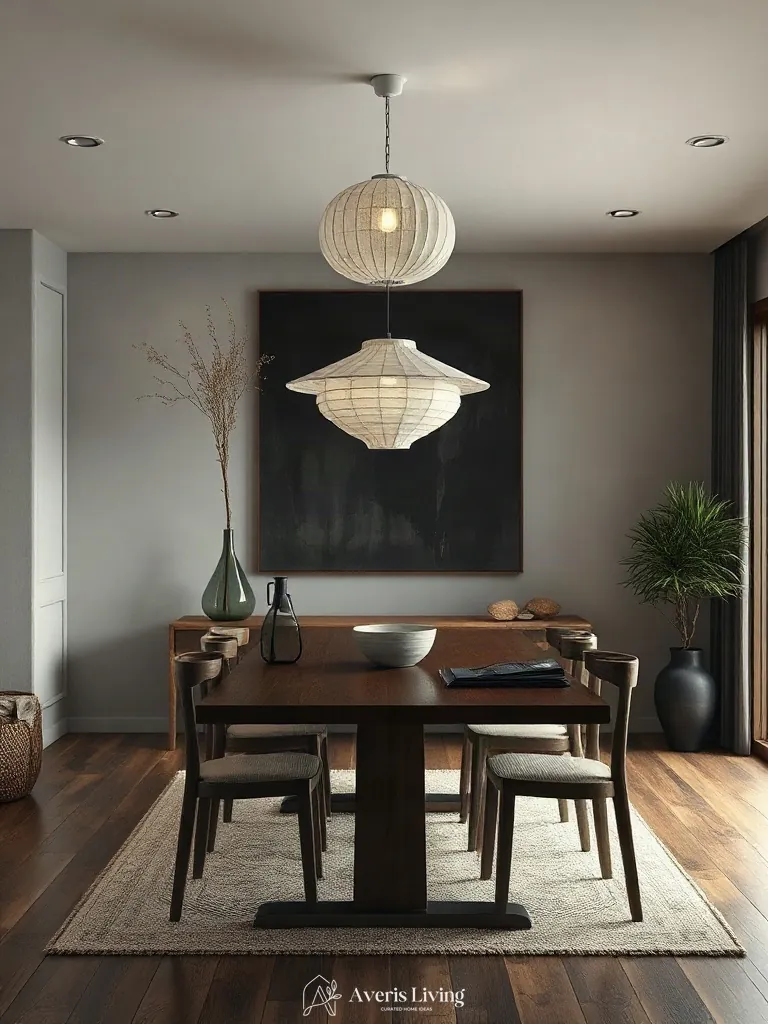
Suspend a large washi paper pendant above your dining table to anchor the room with effortless grace. This ethereal fixture diffuses overhead illumination into a gentle, cloud-like glow, instantly softening hard architectural lines and elevating your minimalist wabi sabi decor.
Crafted from natural mulberry bark fibers stretched over a slender bamboo frame, the shade acts as a lightweight sculptural art piece that honors the beauty of imperfection and honest materials during every evening gathering.
Place Minimalist Brass Task Floor Lamps Beside Readied Reading Nooks
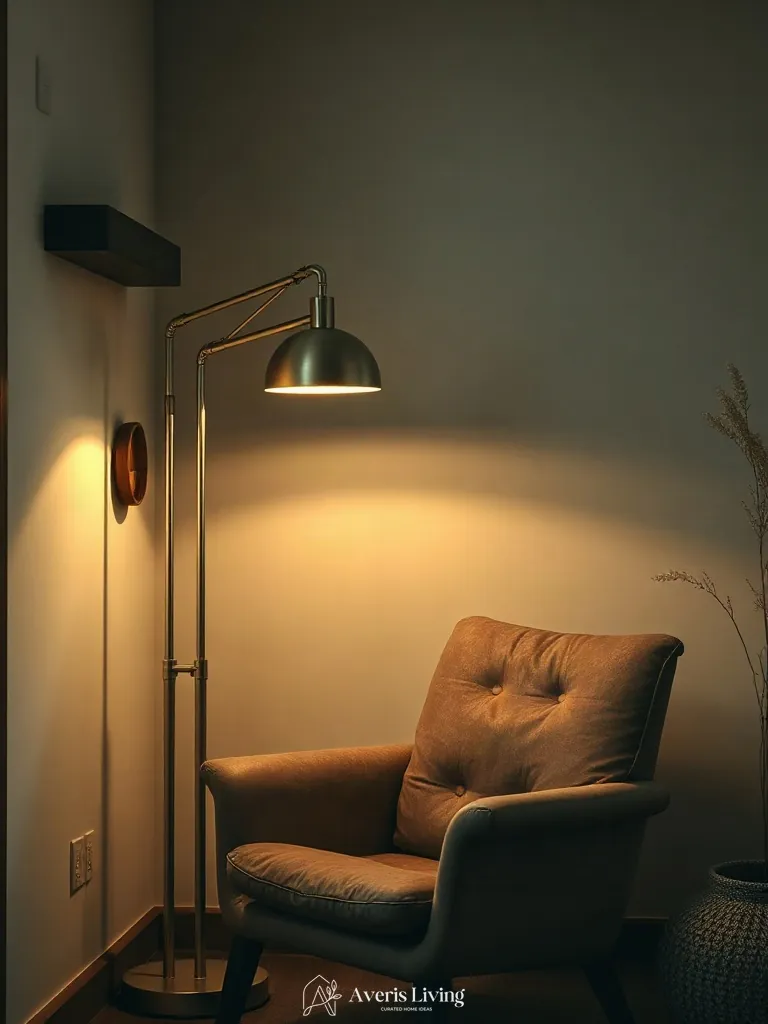
Integrate slender brass task lamps beside your reading chair to honor minimalist wabi sabi decor. These fixtures provide focused, adjustable illumination without bulk, preserving spatial lightness and visual calm.
Opt for brushed or antiqued brass finishes that develop a gentle patina over time, echoing the philosophy of impermanence. Pair the delicate metal frame with organic linen upholstery for balanced texture.
Center the Lounge Around an Earth-Toned Micro-Suede Low Modular Sofa
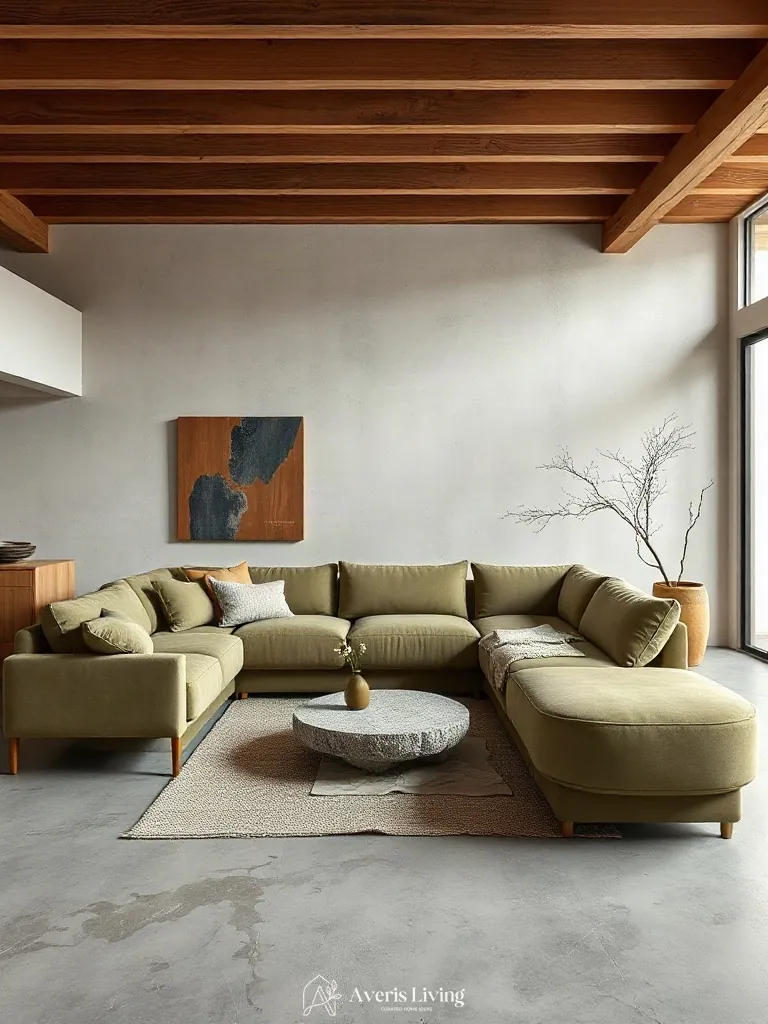
A low modular sofa wrapped in velvety, muted micro-suede immediately anchors the living area. This piece is essential for minimalist wabi sabi decor, offering supreme physical comfort while maintaining a low-profile silhouette that embraces the Japanese philosophy of grounded living.
Pair the earthy upholstery with raw linen cushions and a reclaimed timber coffee table to enhance the organic aesthetic. The tactile contrast between the soft fabric and hard surfaces adds effortless depth to the room.
Dine at a Custom Tadelakt Plaster Micro-Cement Banquette Seating Area
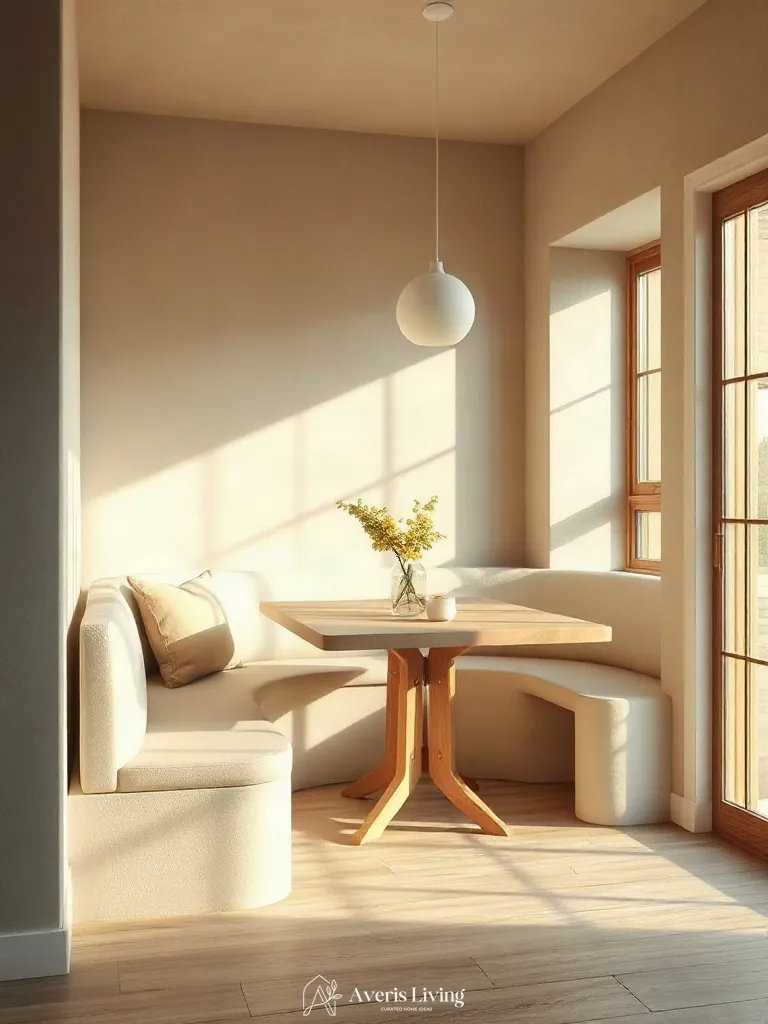
A custom tadelakt plaster micro-cement banquette seating area introduces seamless, tactile waterproof masonry that elevates minimalist wabi sabi decor. This built-in dining solution maximizes spatial efficiency by hugging room perimeters, offering an organic, monolithic aesthetic free from visual clutter.
Layer the textured concrete bench with heavy linen cushions and sheepskin throws to soften the cool stone. Pair with a reclaimed oak dining table to ground the setup in natural warmth.
Feature a Hand-Carved Teak Root Coffee Table as a Sculptural Centerpiece
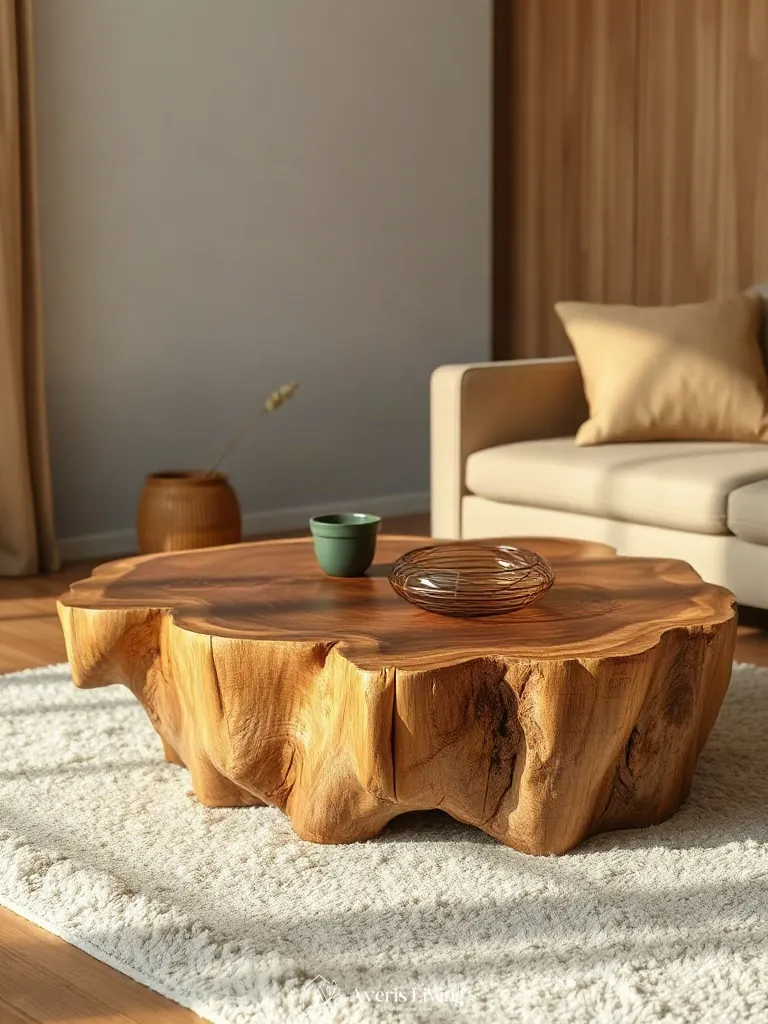
Embrace raw nature by anchoring your living room with a hand-carved teak root coffee table. Its intricate knots and asymmetrical contours serve as living art, perfectly aligning with minimalist wabi sabi decor by celebrating organic imperfections.
Keep surrounding elements sparse to let the rich grain shine. Pair the table with a neutral linen sofa and finish the vignette with a simple ceramic vase holding dried branches.
Introduce a Minimalist Travertine Slab Console Table in the Foyer
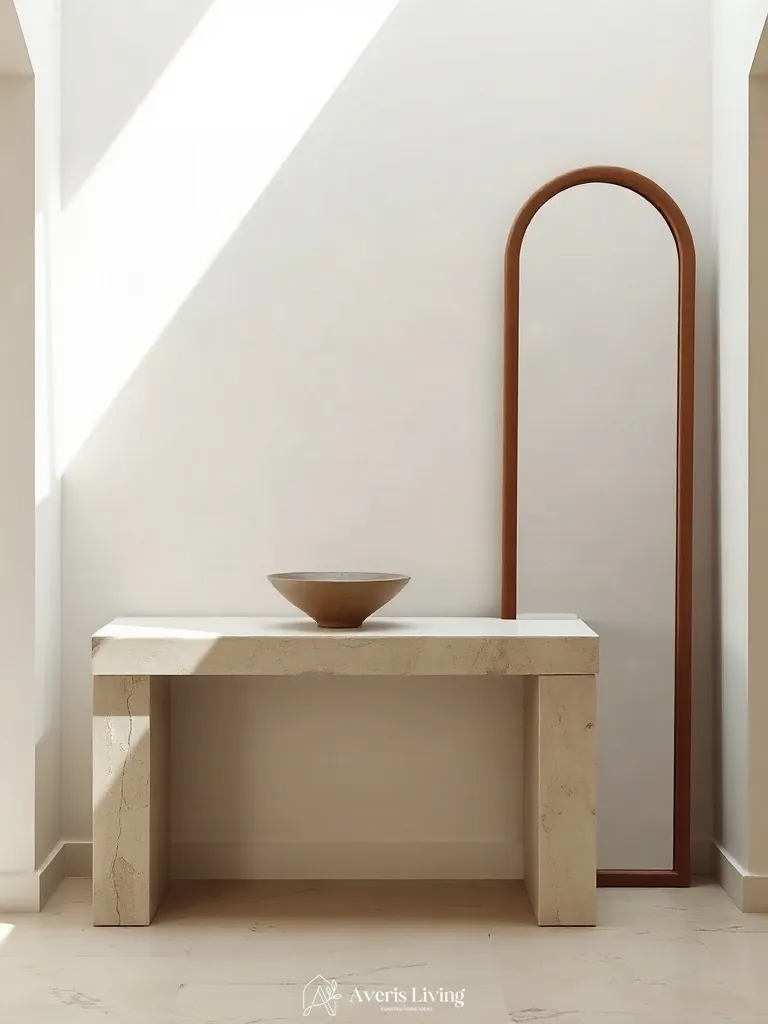
Create an unforgettable entry by anchoring your entryway with a raw travertine slab console table. This architectural statement piece embodies minimalist wabi sabi decor through its porous texture and organic striations, welcoming guests with grounded, tactile elegance.
Keep the styling spare with a single oversized ceramic vessel and a dramatic branch. The durable limestone surface offers enduring beauty that patinas gracefully over time.
Style Large Terracotta Urns with Sculptural Dried Olive Tree Branches
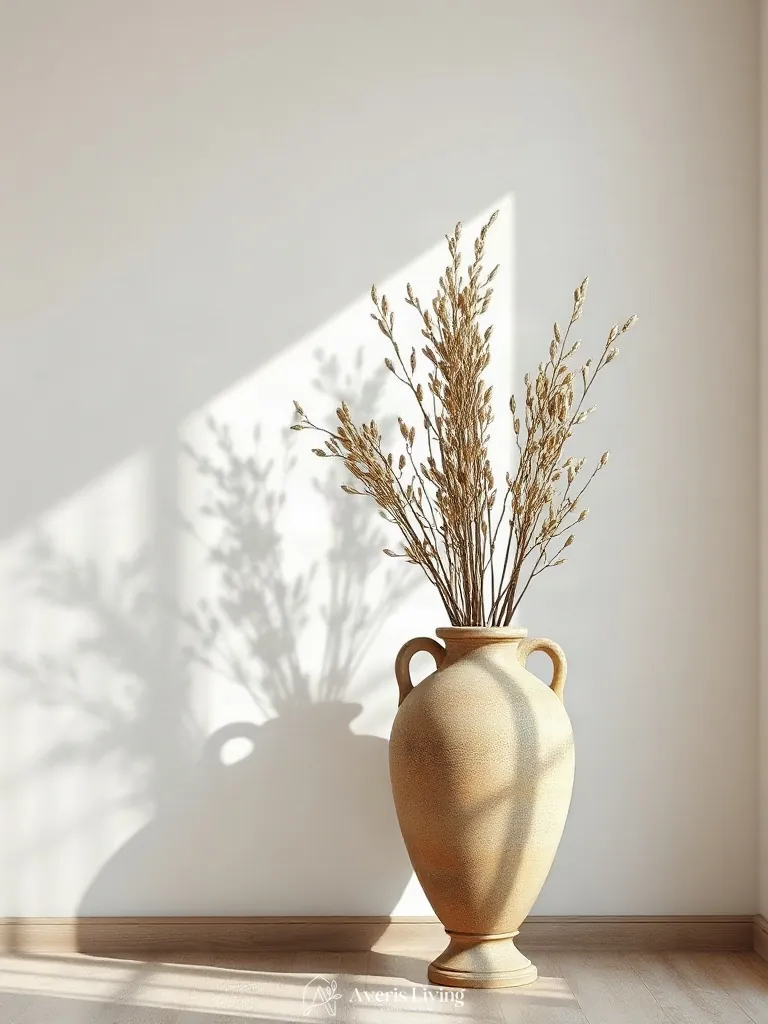
Embrace minimalist wabi sabi decor by anchoring empty corners with oversized terracotta urns featuring weathered patinas. These artisanal vessels instantly introduce grounding earth tones and sculptural presence to bare architectural dead zones.
Fill the earthenware silhouettes with soaring, pruned olive branches to create dramatic vertical lines. The silvery-green dried foliage requires zero upkeep while infusing spaces with organic movement and Mediterranean quietude.
Hang Floor-to-Ceiling Belgian Flax Linen Drapes to Soften Hard Windows
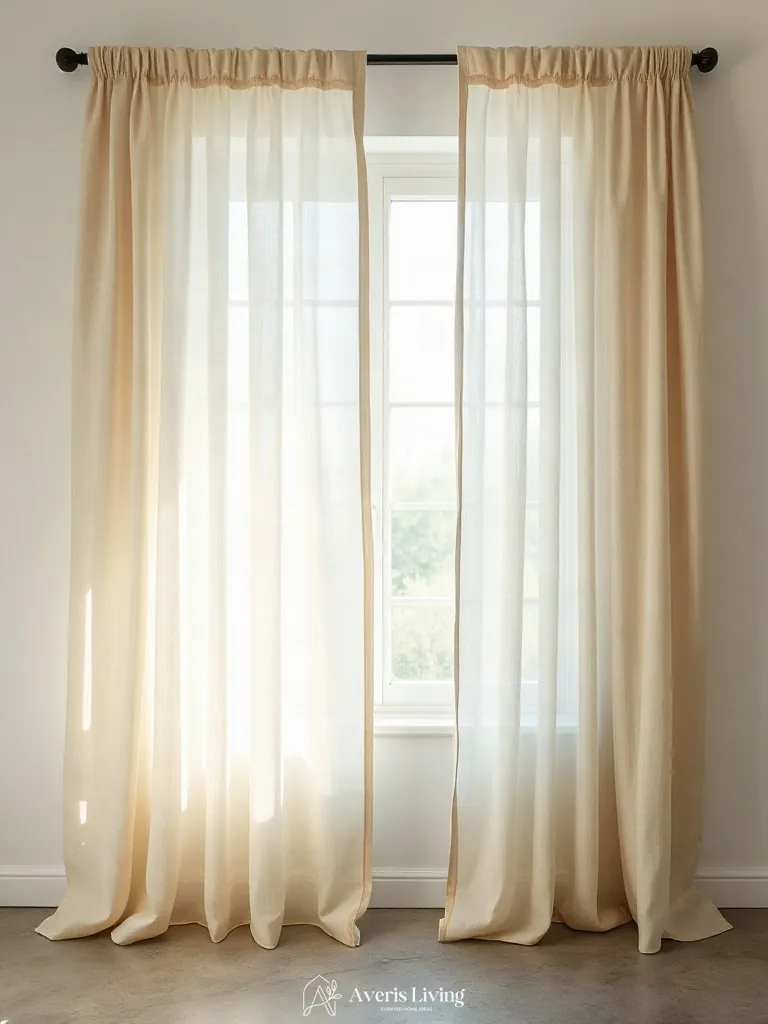
Embrace minimalist wabi sabi decor by framing your windows with floor-to-ceiling Belgian flax linen drapes. This intentional styling diffuses harsh exterior light into a dreamy, ethereal haze while introducing luxurious, weighted textile movement.
Mount your hardware close to the ceiling line and let the hems puddle softly on the floor. Choose organic neutrals like raw linen, oatmeal, or soft chalk to enhance the tranquil, imperfect ambiance of your room.
Arrange Asymmetric Abstract Neutral Artworks on a Low Credenza
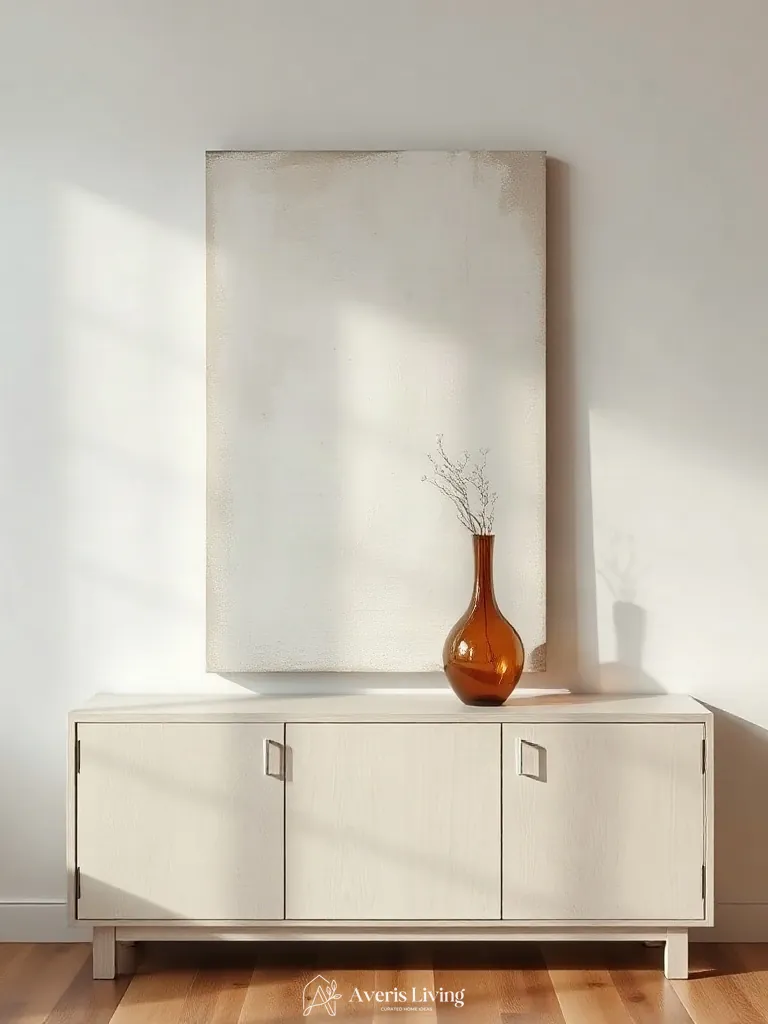
Embrace the imperfect by displaying asymmetric abstract neutral artworks atop a low credenza to anchor your minimalist wabi sabi decor. This arrangement bypasses rigid symmetry, using varied canvas heights and tactile plaster mediums to create effortless visual balance.
Allow raw linen canvases and unglazed ceramic vessels to interact organically, letting muted earth tones and subtle texture take center stage without clutter.
Layer Hand-Thrown Ceramic Vessels on Open Kitchen Shelving
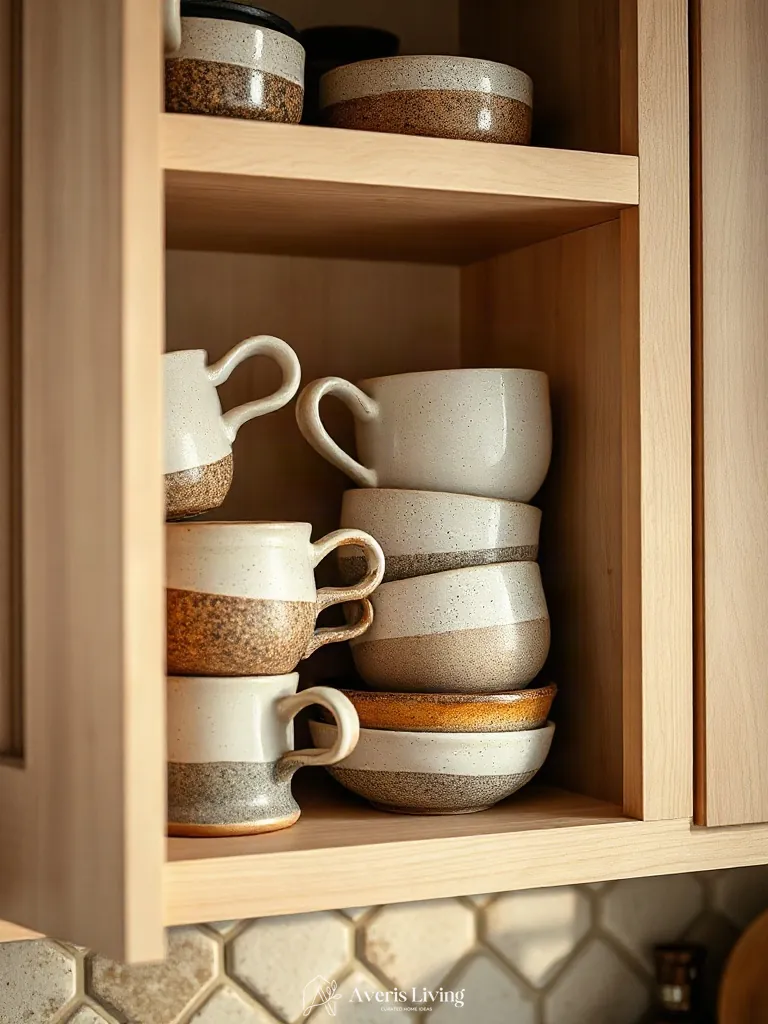
Displaying hand-thrown terracotta or stoneware on open kitchen shelving perfectly encapsulates minimalist wabi sabi decor. These pieces celebrate organic asymmetries, irregular rims, and reactive glaze runs that machine-made tableware lacks.
Arrange earthy bowls and pitchers in staggered groupings against lime-washed walls. Mix raw clay textures with subtle crackle finishes to bring tactile warmth and authentic artisan character right into your culinary space.
Incorporating minimalist wabi sabi decor into your home is not about achieving perfection, but rather about cultivating a peaceful environment that honors natural materials, mindful layouts, and soulful simplicity.
Save your favorite ideas to your Pinterest boards, start small with textural layers and earthy tones, and transform your living space into a timeless sanctuary.